Held in Kuala Lumpur on 9th of December 2024
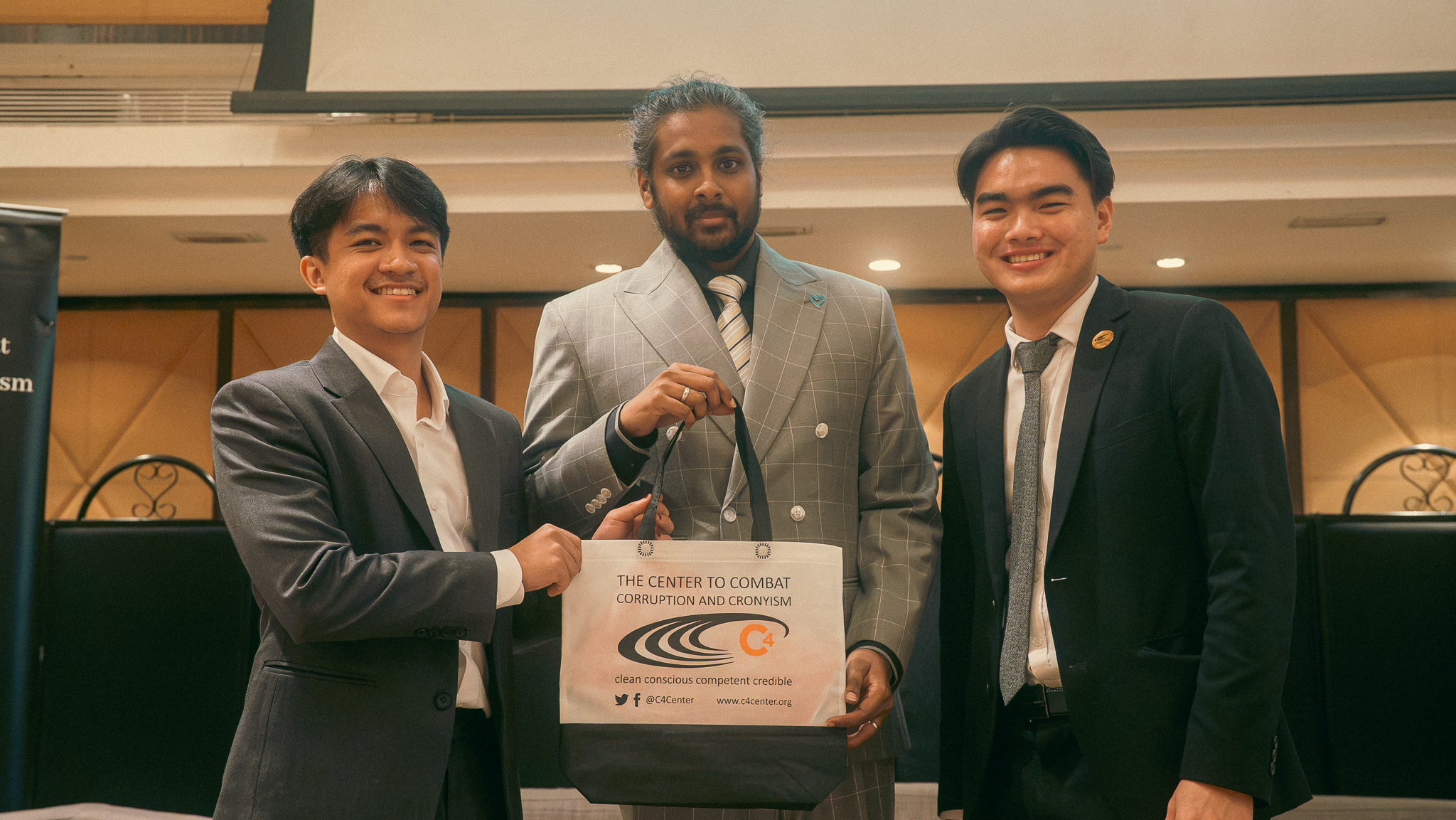
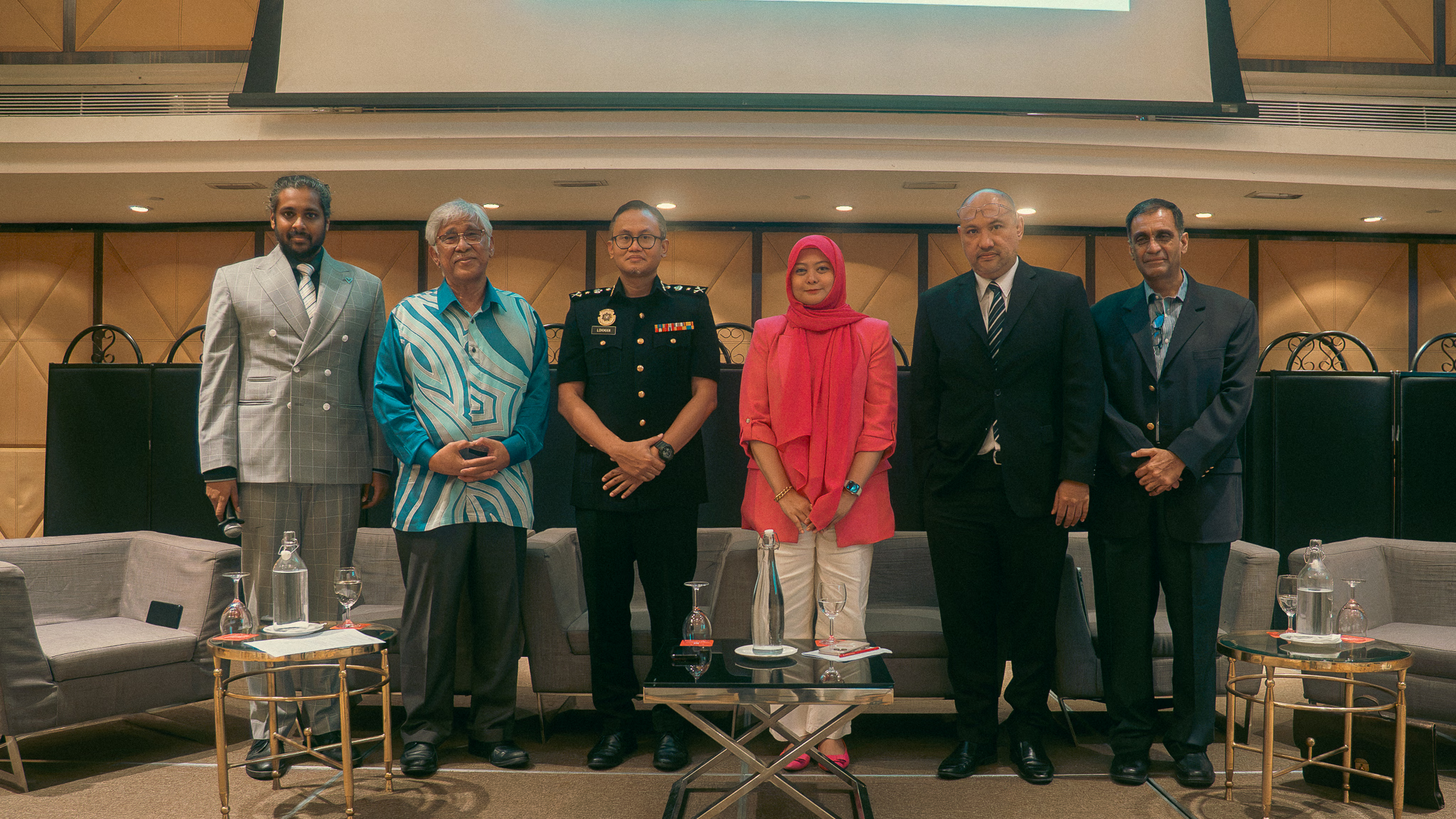
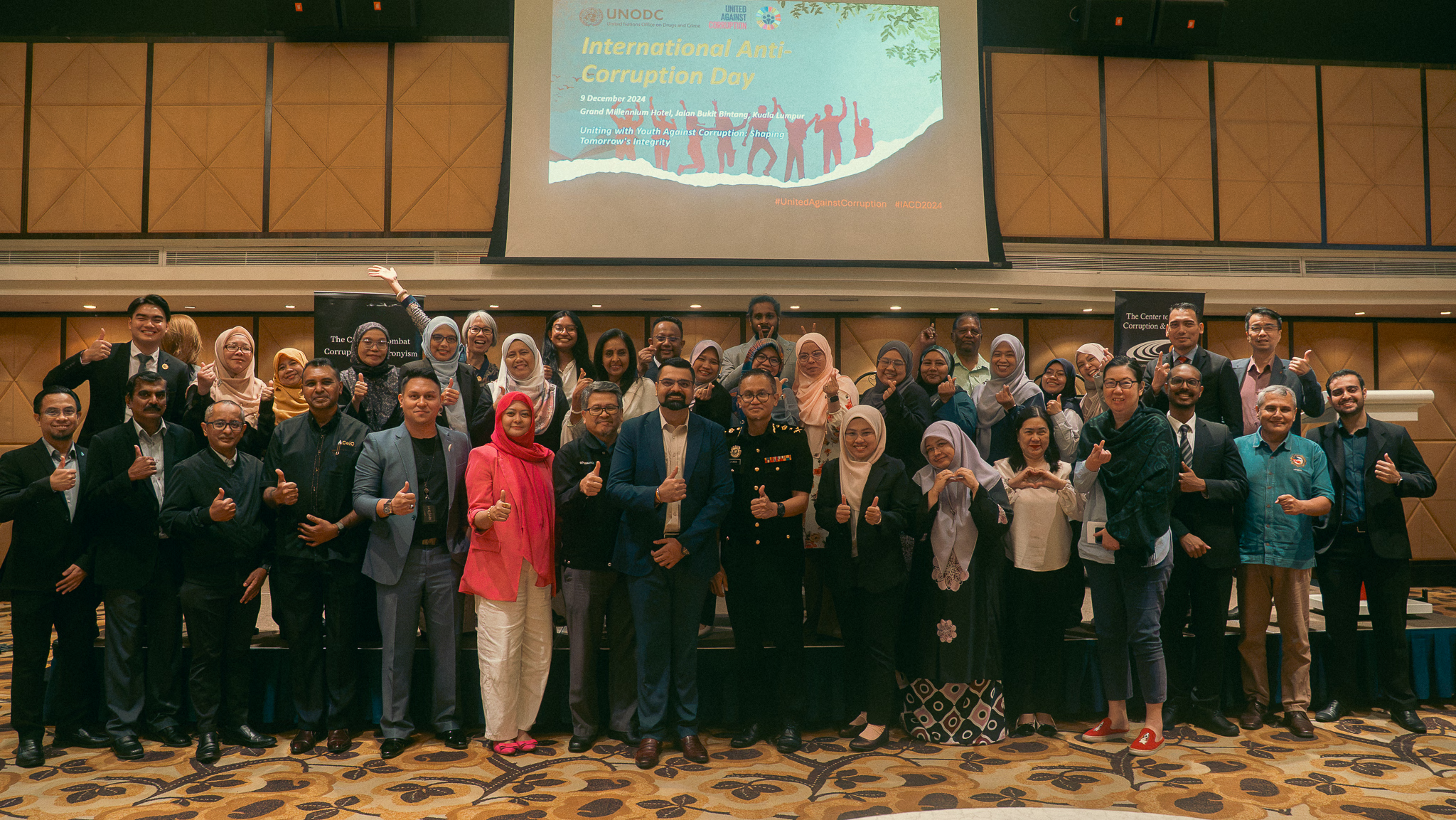
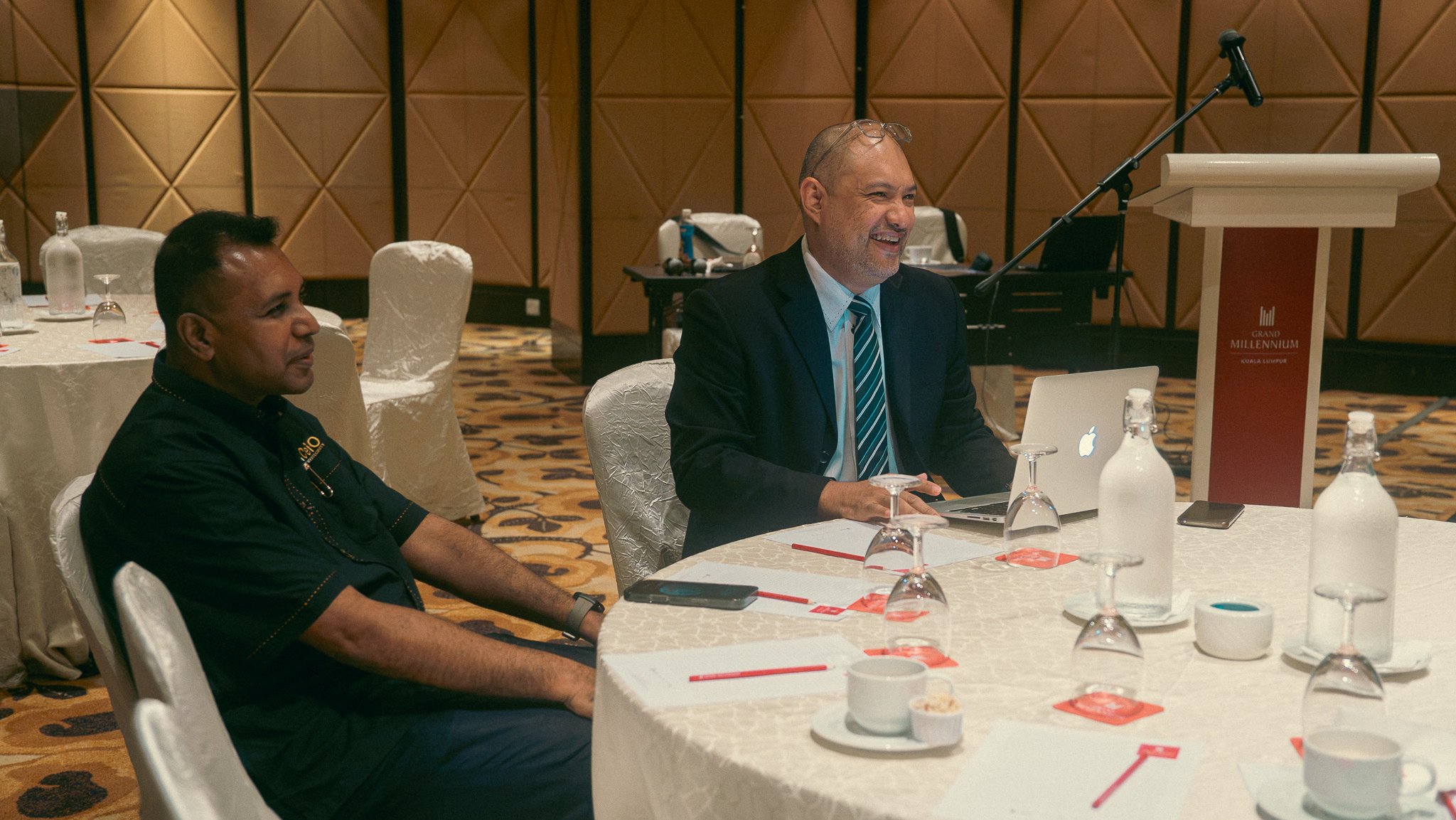
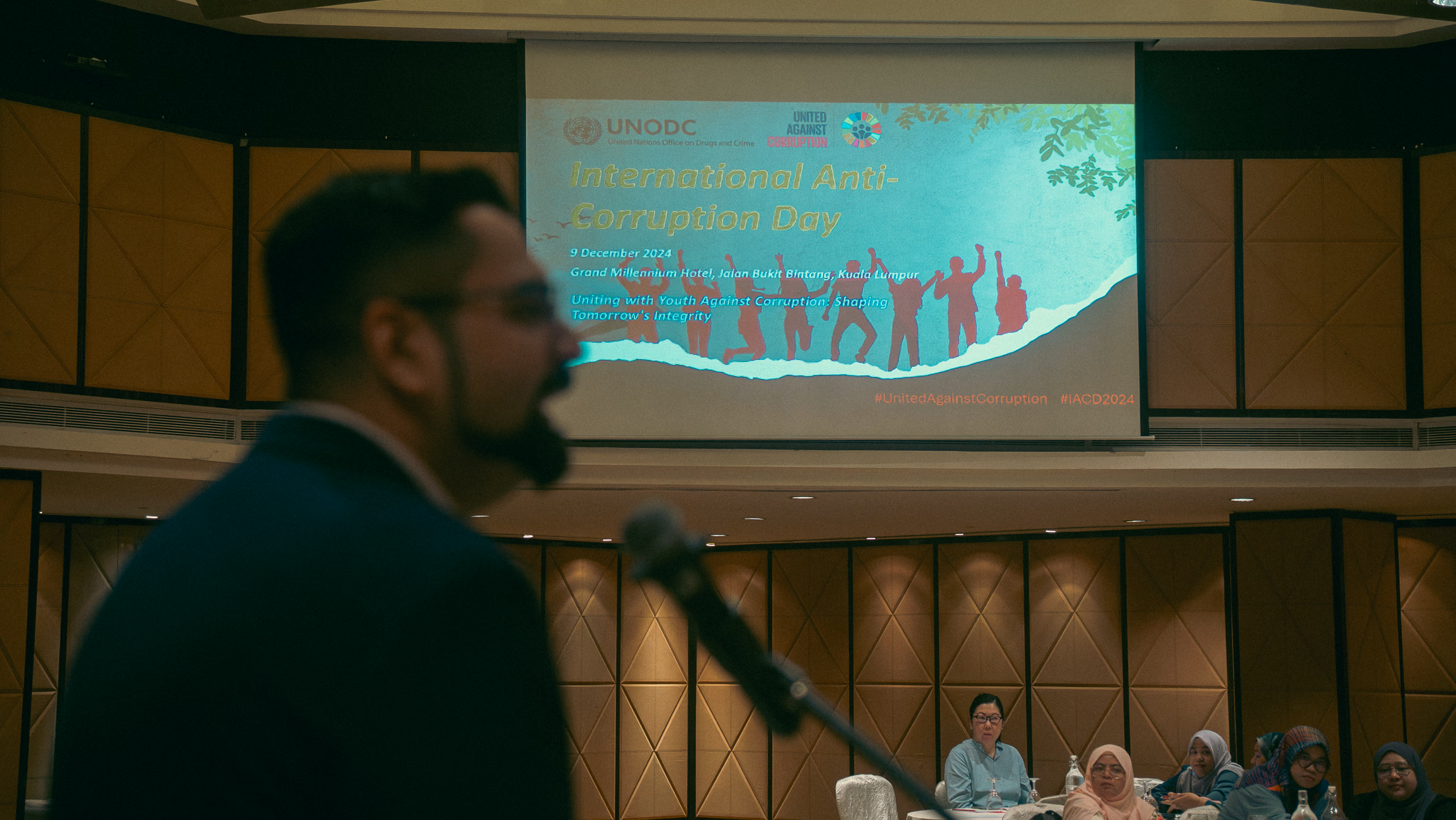
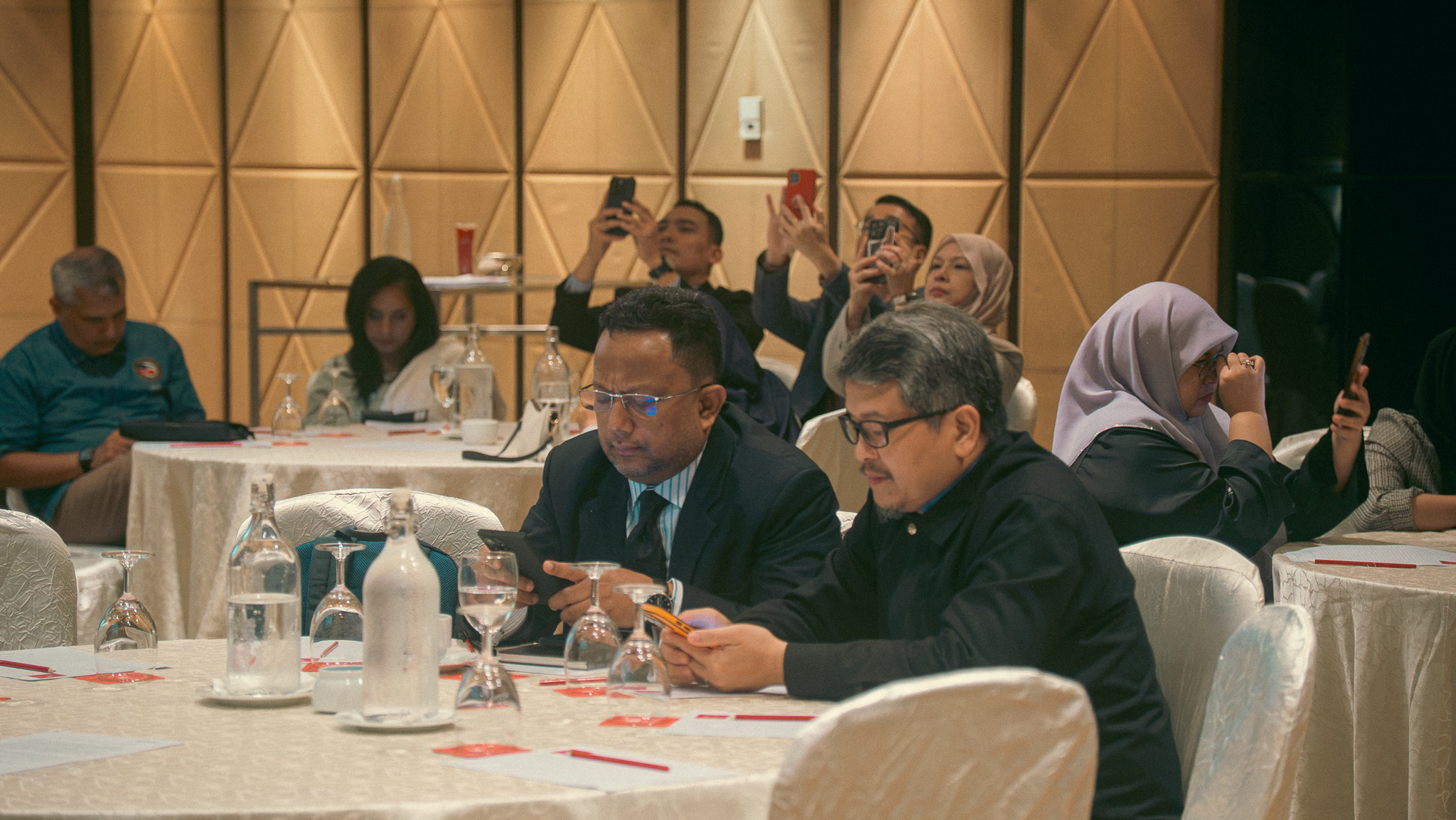
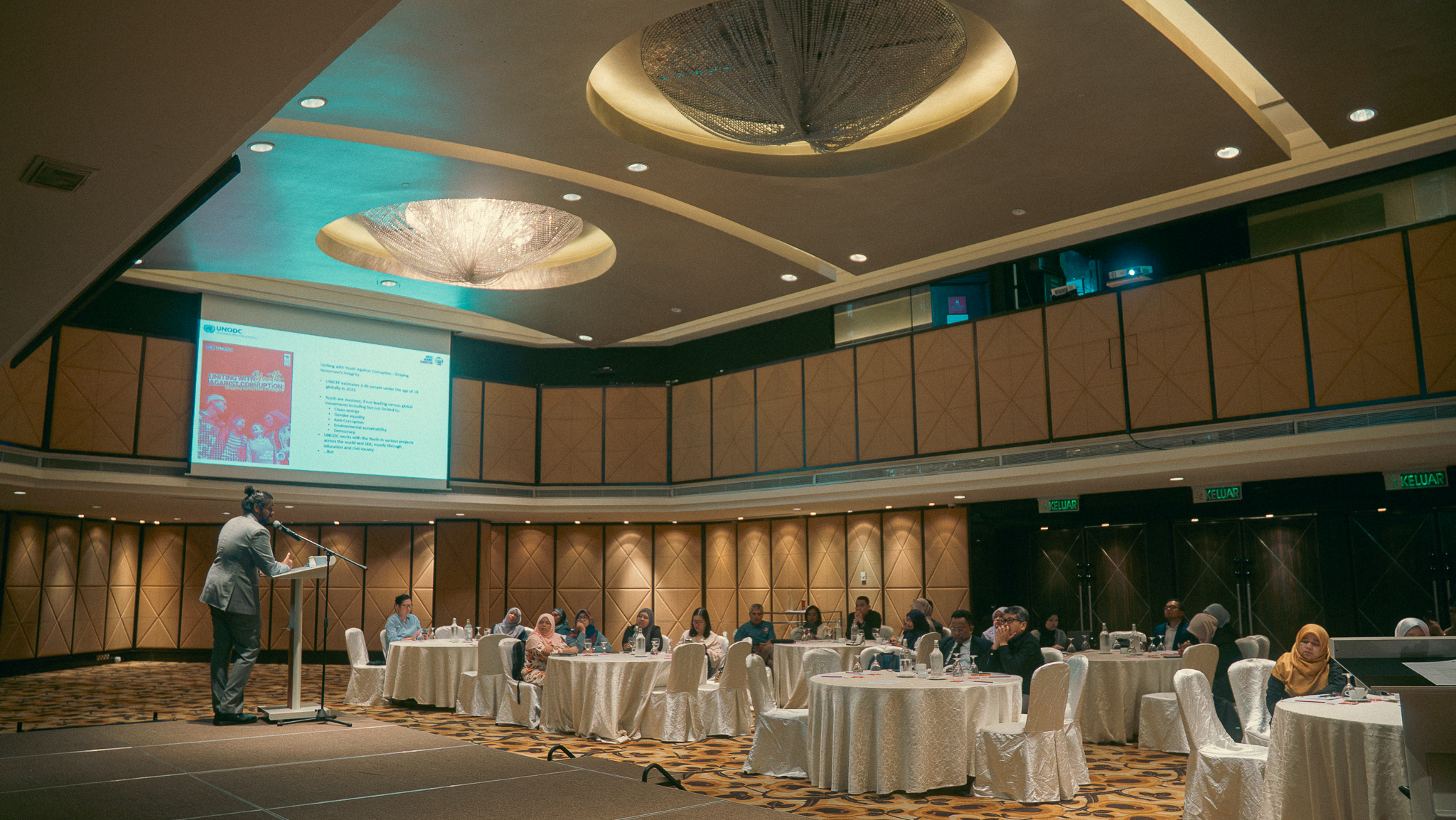
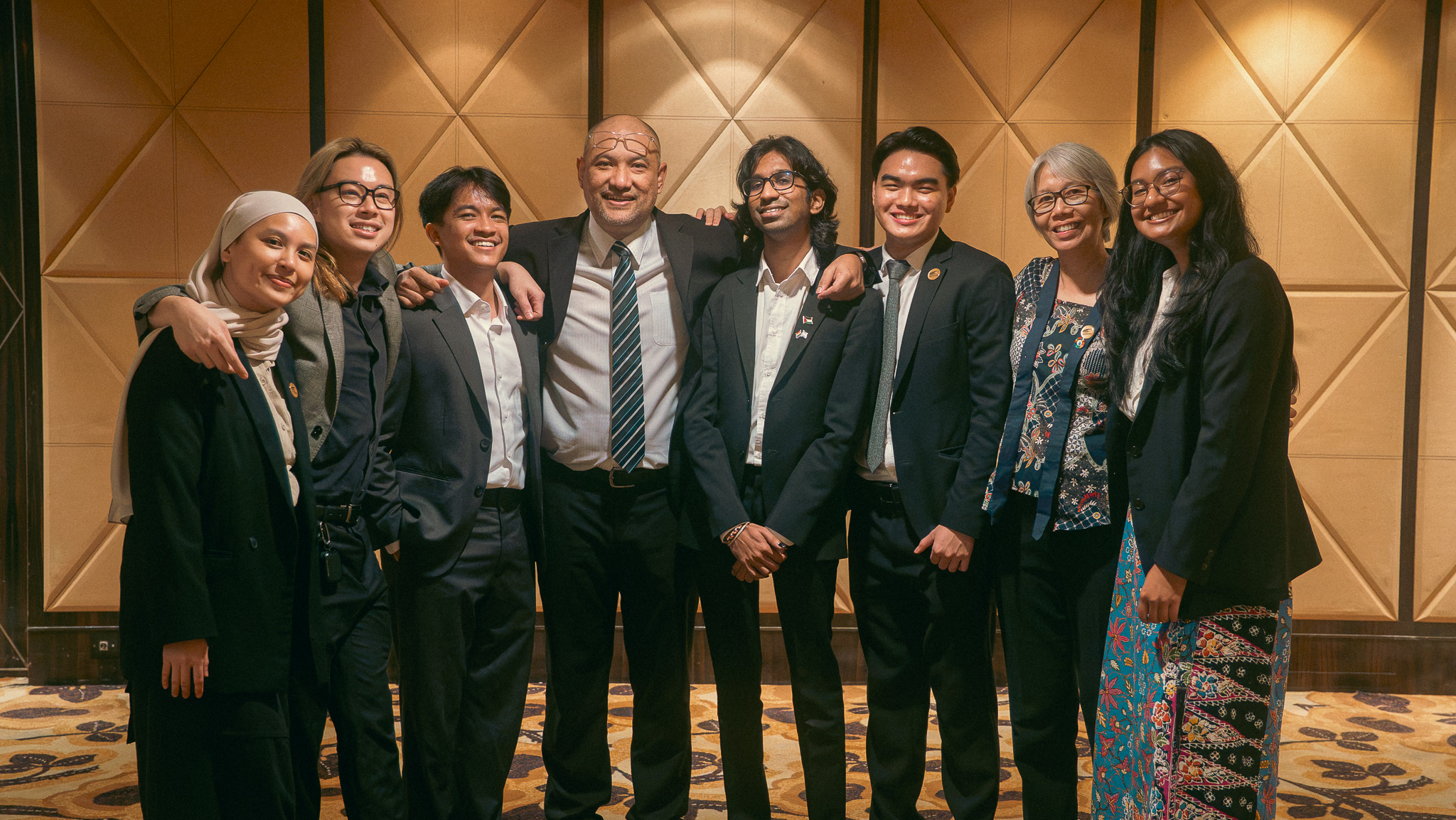
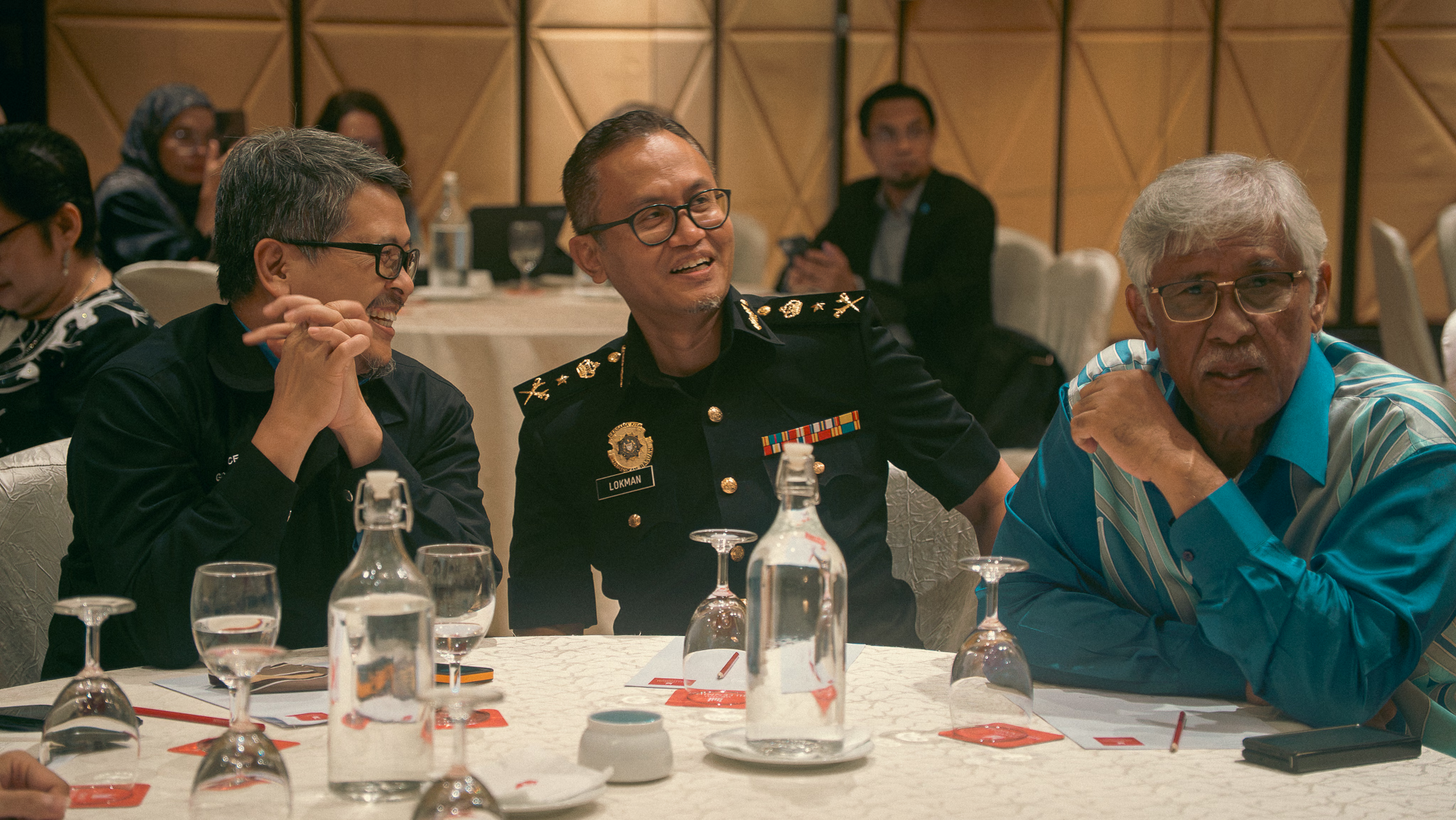
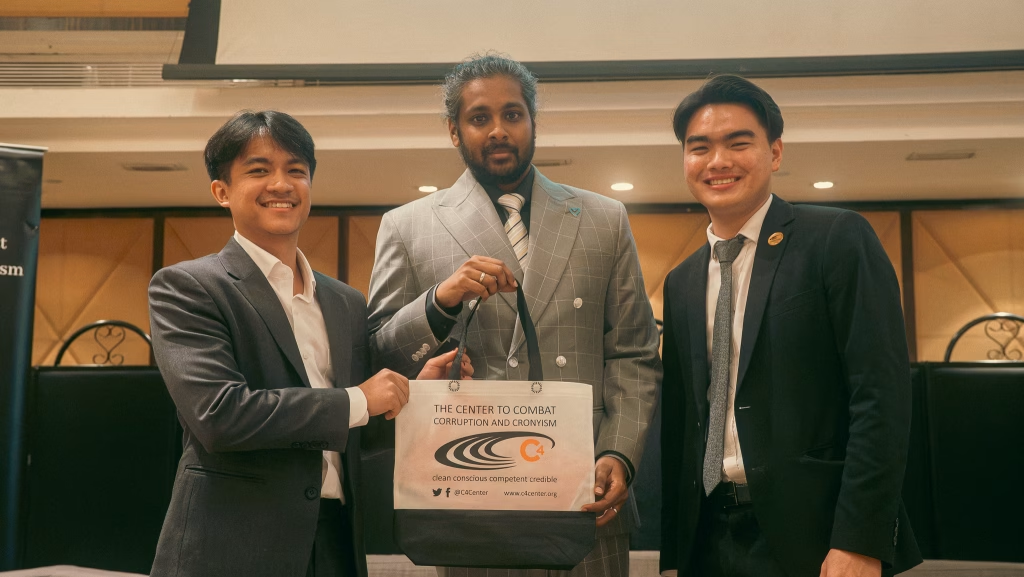
As part of International Anti-Corruption Day 2024 (IACD) celebrations this year, C4 Center took part in the United Nations Office on Drugs and Crime (UNODC)’s “Strengthening Corporate Integrity for Transparency and Accountability in Malaysia” forum. Attended by a wide range of participants, including members of the public and private sectors as well as representatives from civil society, this event sought to expose participants to methods that strengthened organisational integrity through a greater culture of accountability and governance. Throughout this event, presentations were given by various anti-corruption experts, alongside a panel discussion session that involved the sharing of key insights from seasoned professionals from the anti-corruption field.
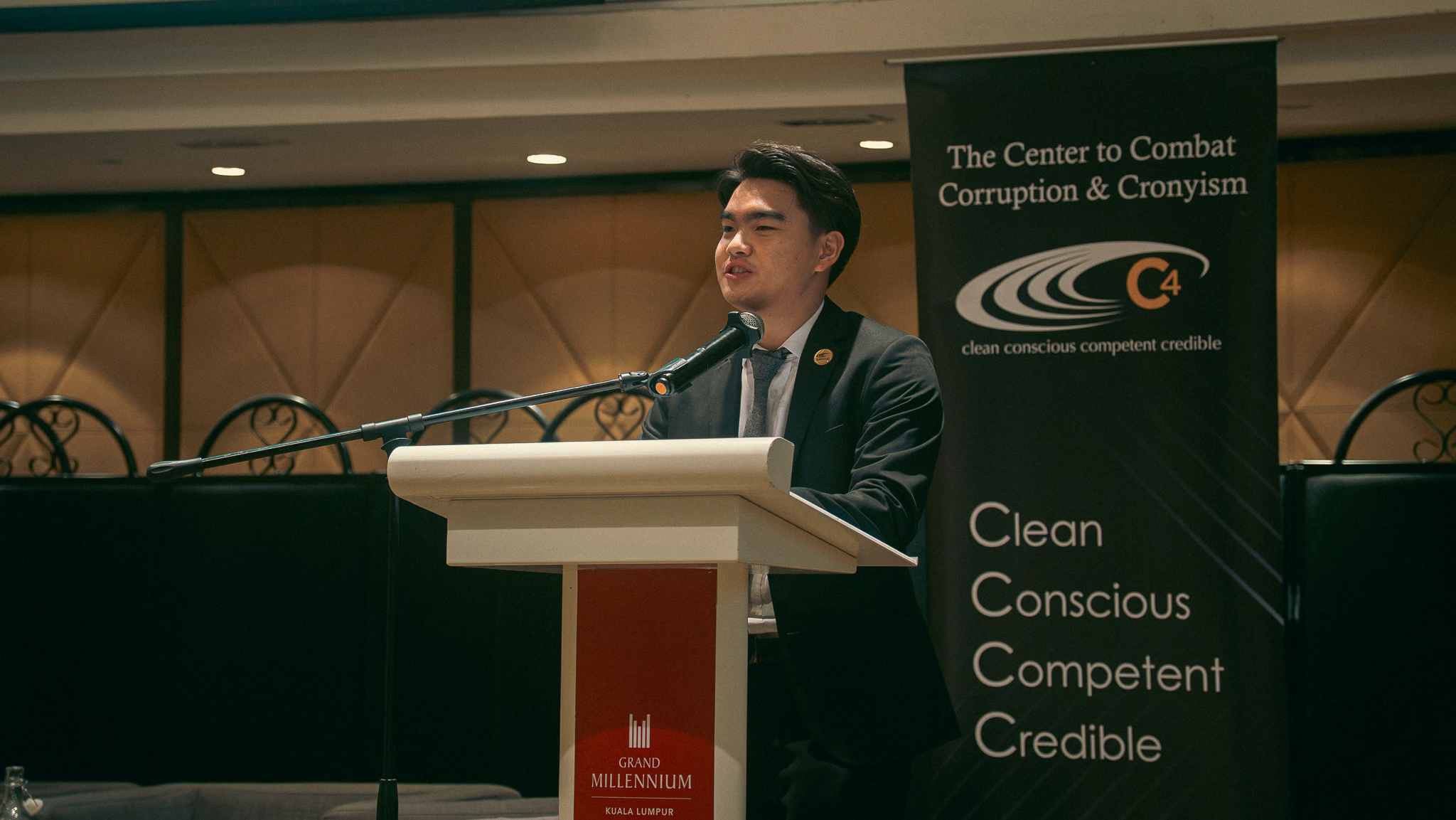
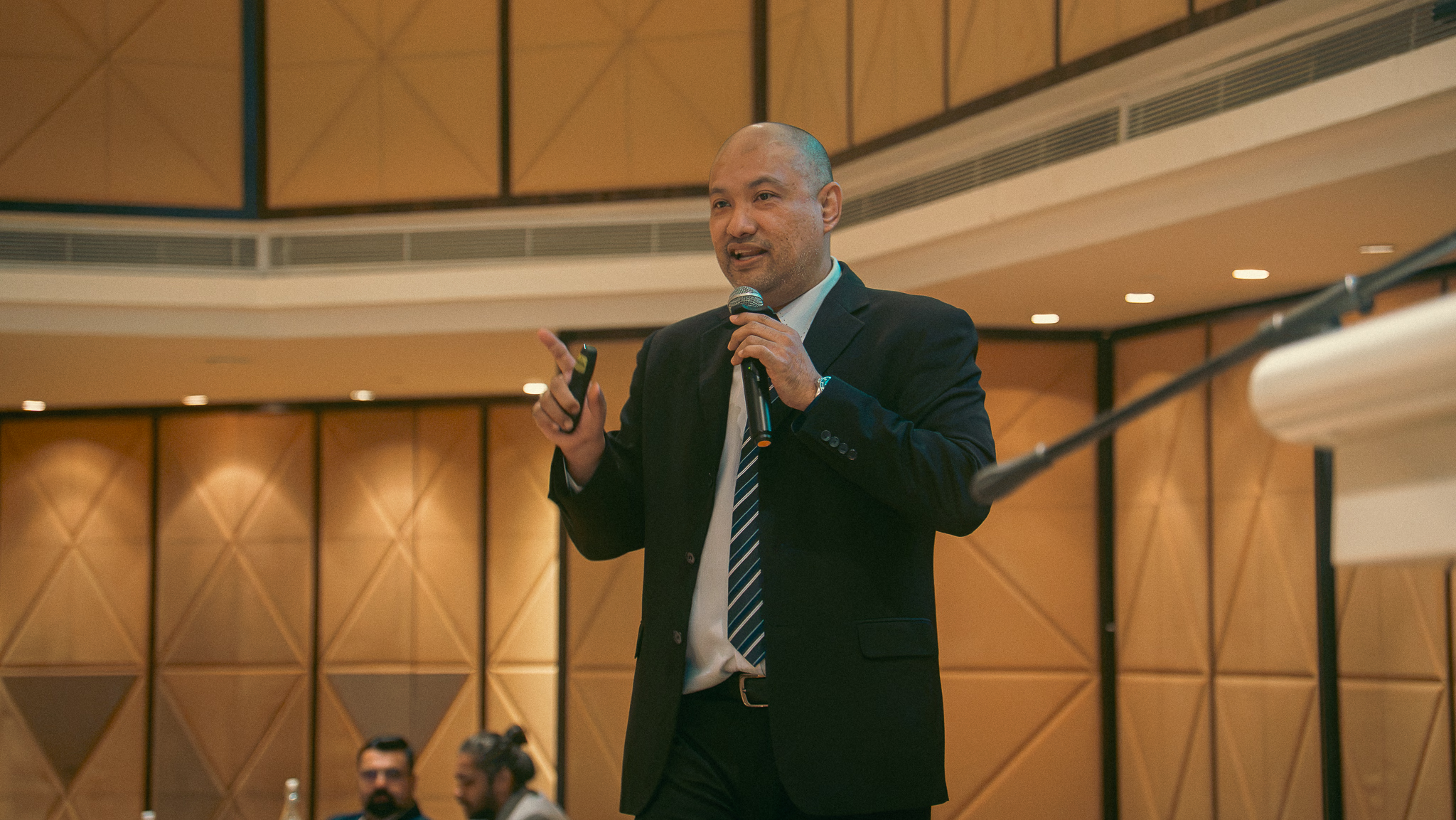
During the event, C4 Center CEO Pushpan Murugiah was given the opportunity to speak during an expert sharing session titled “The Case for an Independent Ombudsman and Public Access to Beneficial Ownership in Malaysia”. In this session, Pushpan laid down the context of what an independent Ombudsman office would look like in Malaysia, with evidence and research provided from C4 Center’s “Structuring the Malaysian Ombudsman Office” report. Here, Pushpan emphasised key principles that are fundamental in the establishment of any public complaints body in Malaysia such as:
- Providing Parliament with the ability to manage appointments, removals, instead of Executive discretion
- Structural safeguards in appointment, removal, staffing, and budgeting
- Broad investigative powers for complaint management
- Statutory standing to institute legal proceedings in exceptional cases
- No enforcement powers
These points were emphasised to advocate for an independent and capable public complaints body that not just reflects international best practices, but also competently navigates local contexts and complexities. However, in concluding his presentation on the Ombudsman office, Pushpan stressed how the Ombudsman must not be held as the solution to all of Malaysia’s systemic problems, but rather a catalyst for change within the public service.
Following on from this presentation, Pushpan would go on to talk about Beneficial Ownership reporting in Malaysia, in light of the recent amendments to the Companies Act 2016 last year. In it, he discussed the various shortcomings present within the newly-instituted reporting process. Namely, he elaborated on how the lack of a publicly available Beneficial Ownership registry in Malaysia will widen the existing public trust deficit, with there being few avenues for accountability from the public. Adding to this, Pushpan highlighted the importance of Beneficial Ownership transparency in Malaysia, placing emphasis on the corruption risks that are evident without adequate measures in place.
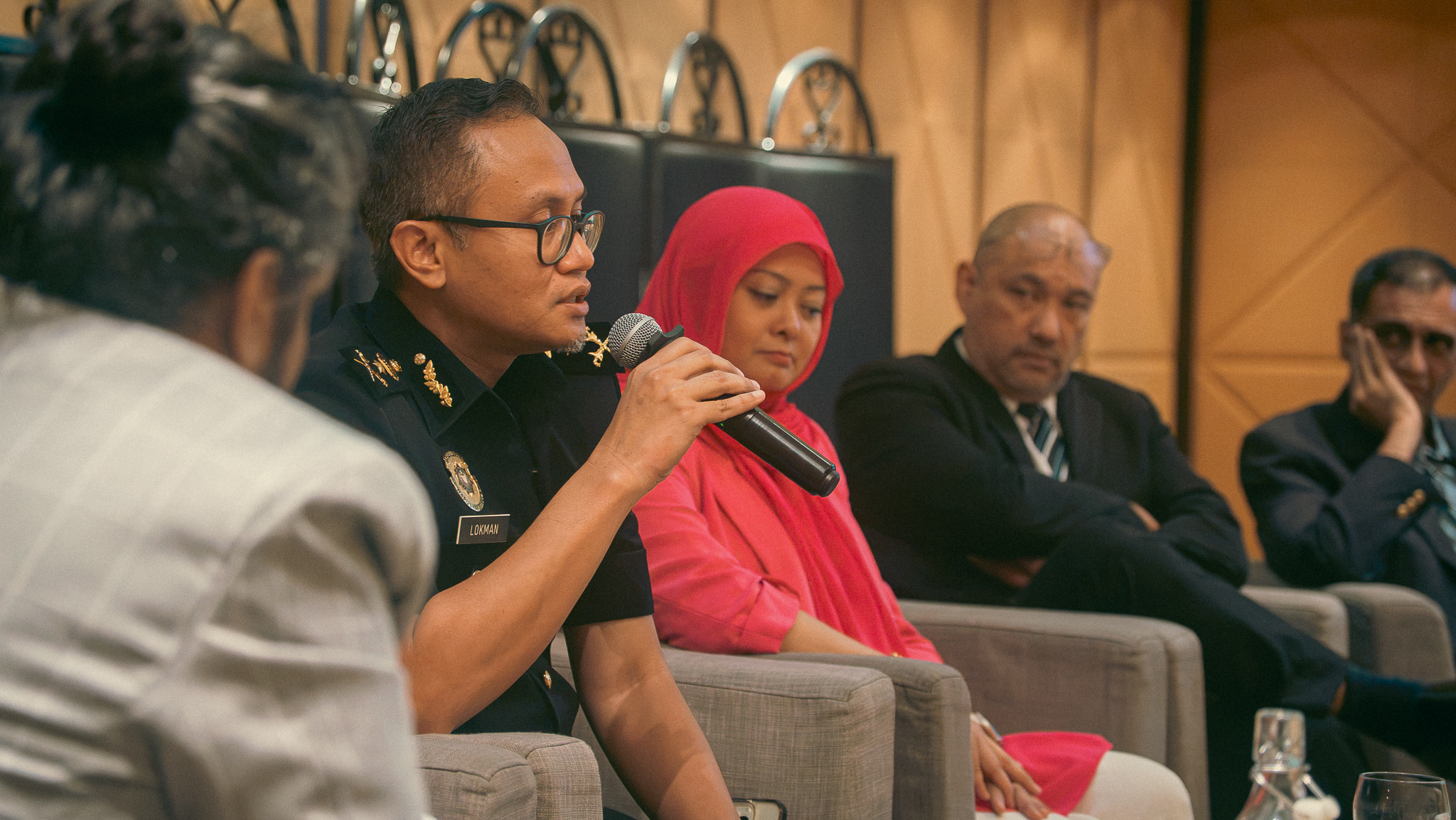
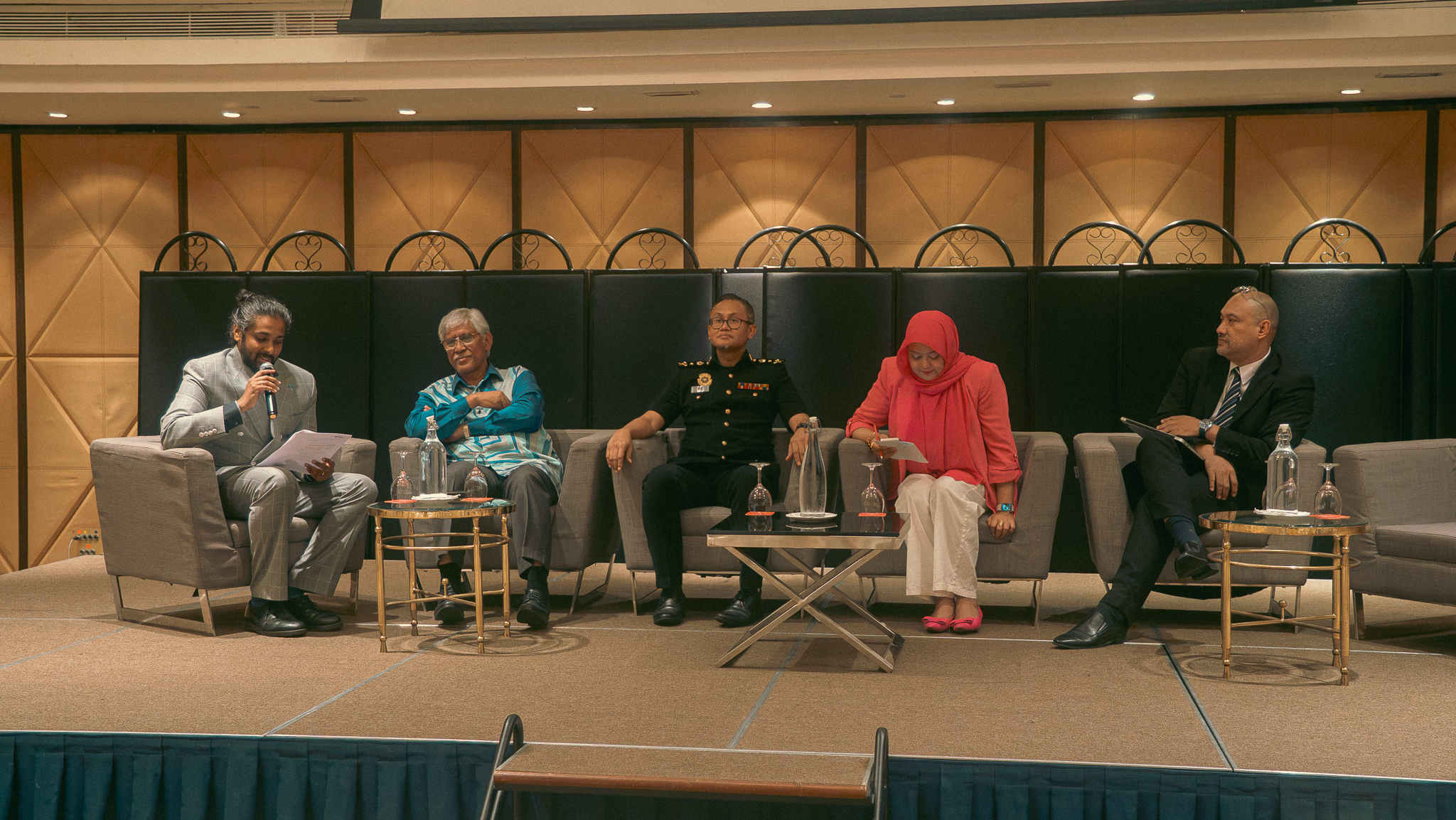
Subsequently, Pushpan would feature in the event’s panel session, “National Anti-Corruption Strategy (NACS) and the Future of Integrity in Malaysia”, which looked at exploring the progress, challenges, and strategic direction of the country’s national anti-corruption policy. During his session, Pushpan spoke on the numerous weaknesses that litter the NACS, including:
- The reduced scope of the NACS in comparison to its predecessor
- The lack of clarity in the NACS’ targets
- The continuance of an intergovernmental affair in NACS implementation
- The lack of non-governmental oversight or evaluation
- The inefficiencies of the NACS evaluation mechanism
Directly following this panel session, C4 Center Research and Communications Officer Benjamin Tiong provided a brief introduction on C4 Center’s latest research report, “Navigating Reform: Challenges and Opportunities in the National Anti-Corruption Strategy, 2024-2028”. This presentation provided an overview of the research, acting as a “soft-launch” for this report, which outlined the aims, methodology, contents, findings, and recommendations of the report. As a whole, this presentation served to act as a call to action for the government in their implementation of the NACS, proposing ways forward that allow them to adopt tangible and actionable solutions in their anti-corruption efforts.