Held in Subang Jaya on the 16th of June 2025
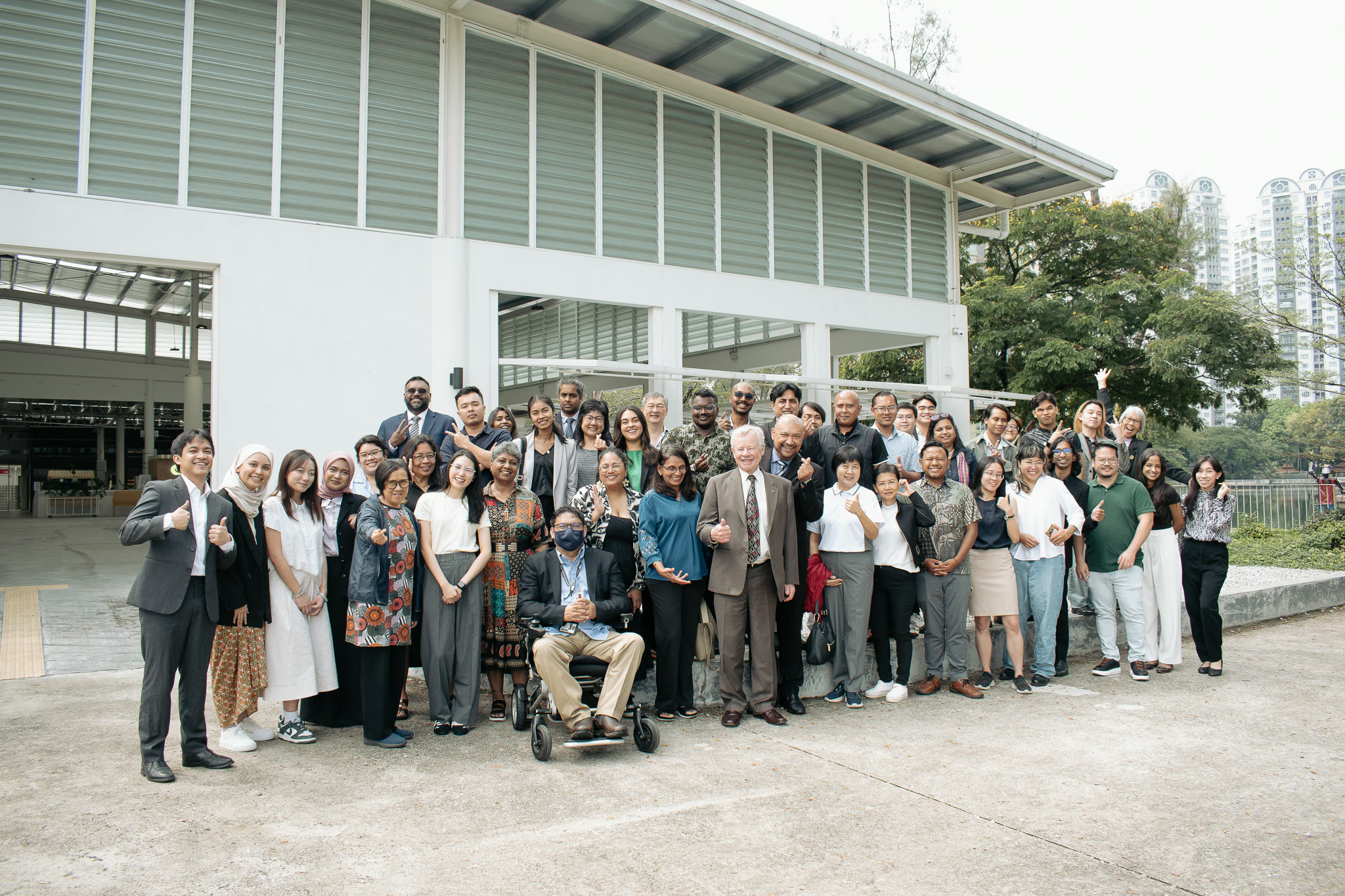
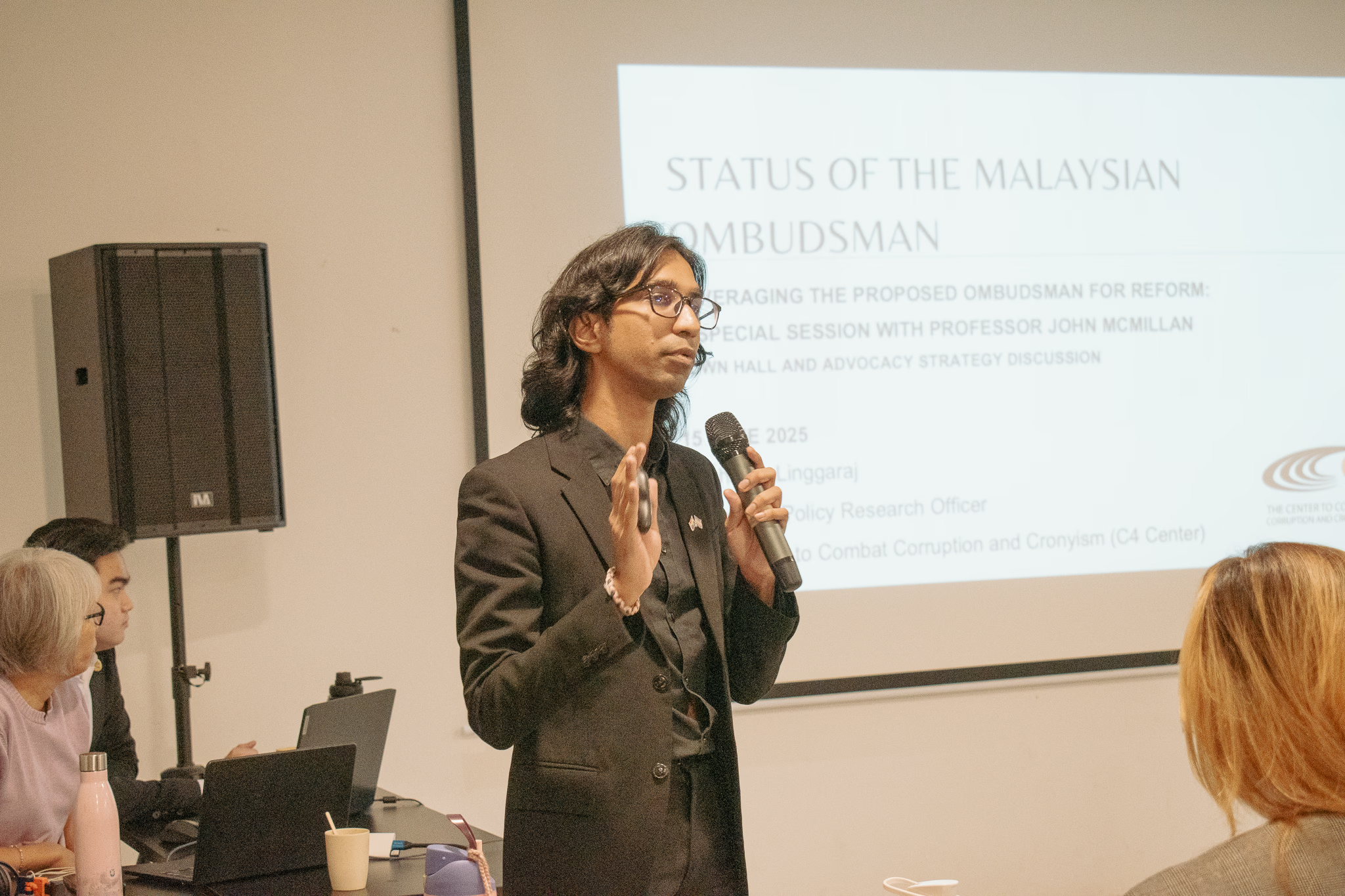
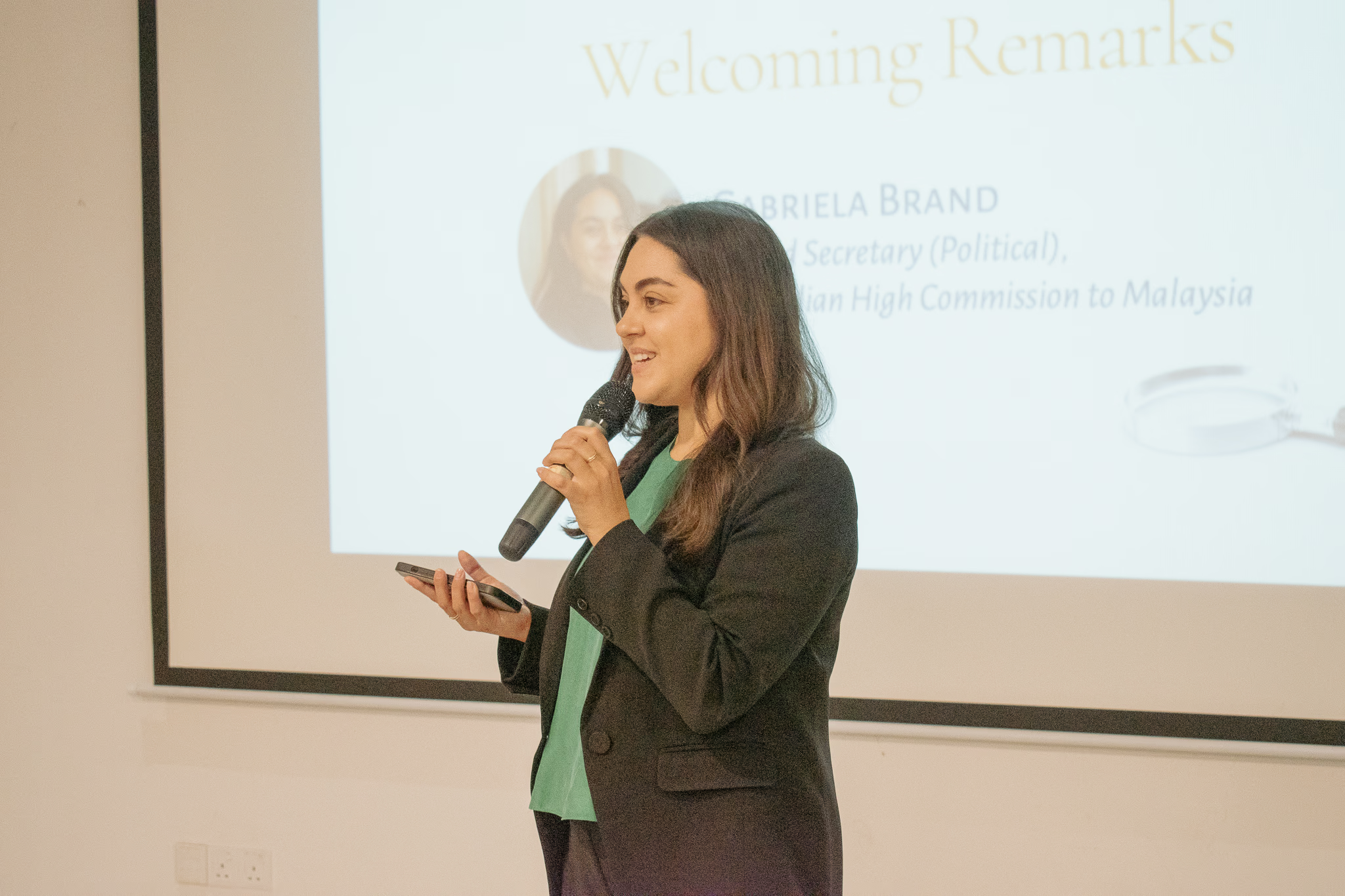
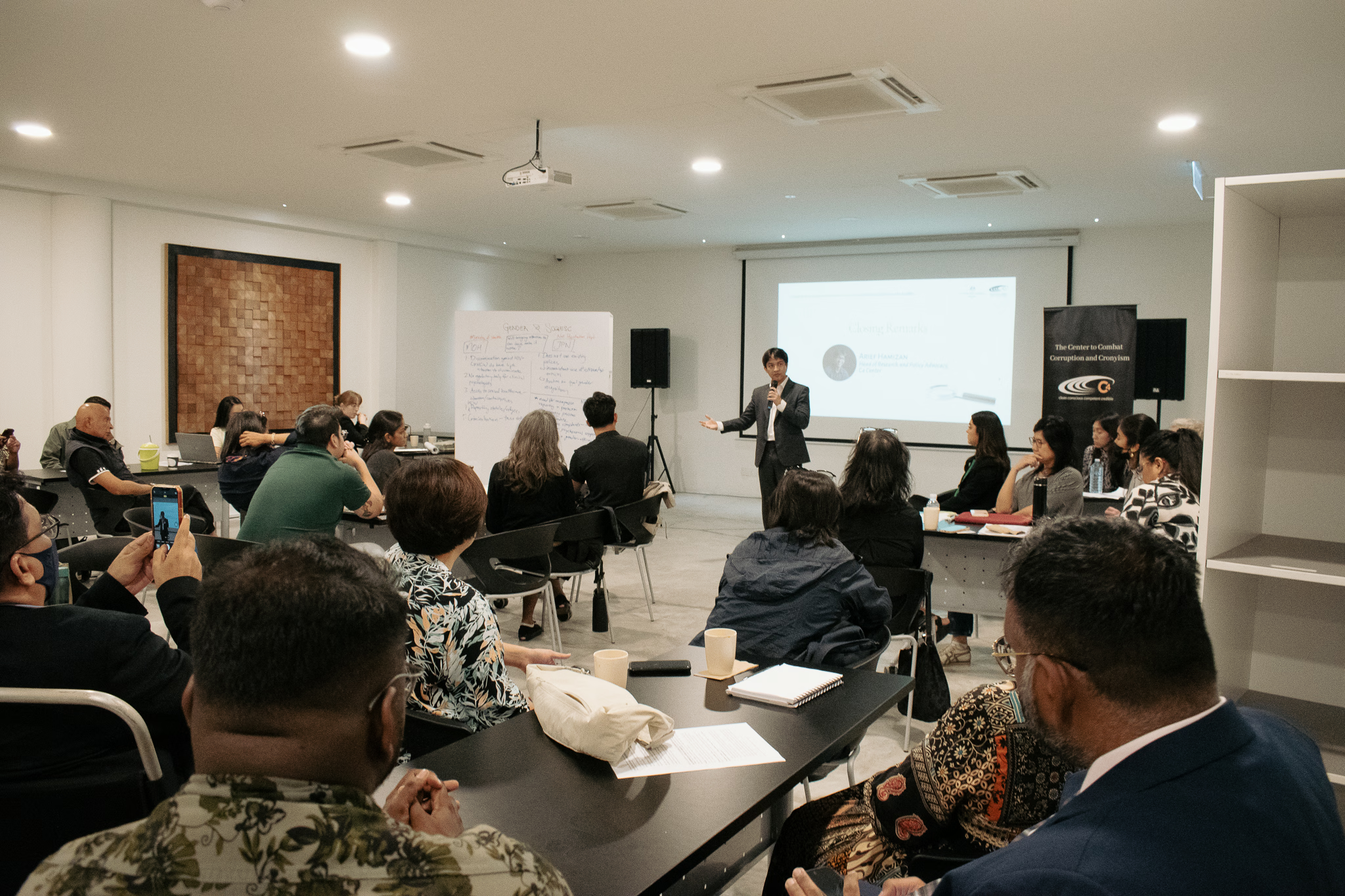
As part of C4 Center’s advocacy on the establishment of a Malaysian Ombudsman office, we have focused primarily on engagements with policymakers and lawmakers. However, in recognition of the need for more grassroots engagements on this topic, we organised a town hall and strategy discussion with civil society organisations (CSOs) to explore the relevance of an Ombudsman office to their respective operations. This session was held with the support of the Australian High Commission in Malaysia.
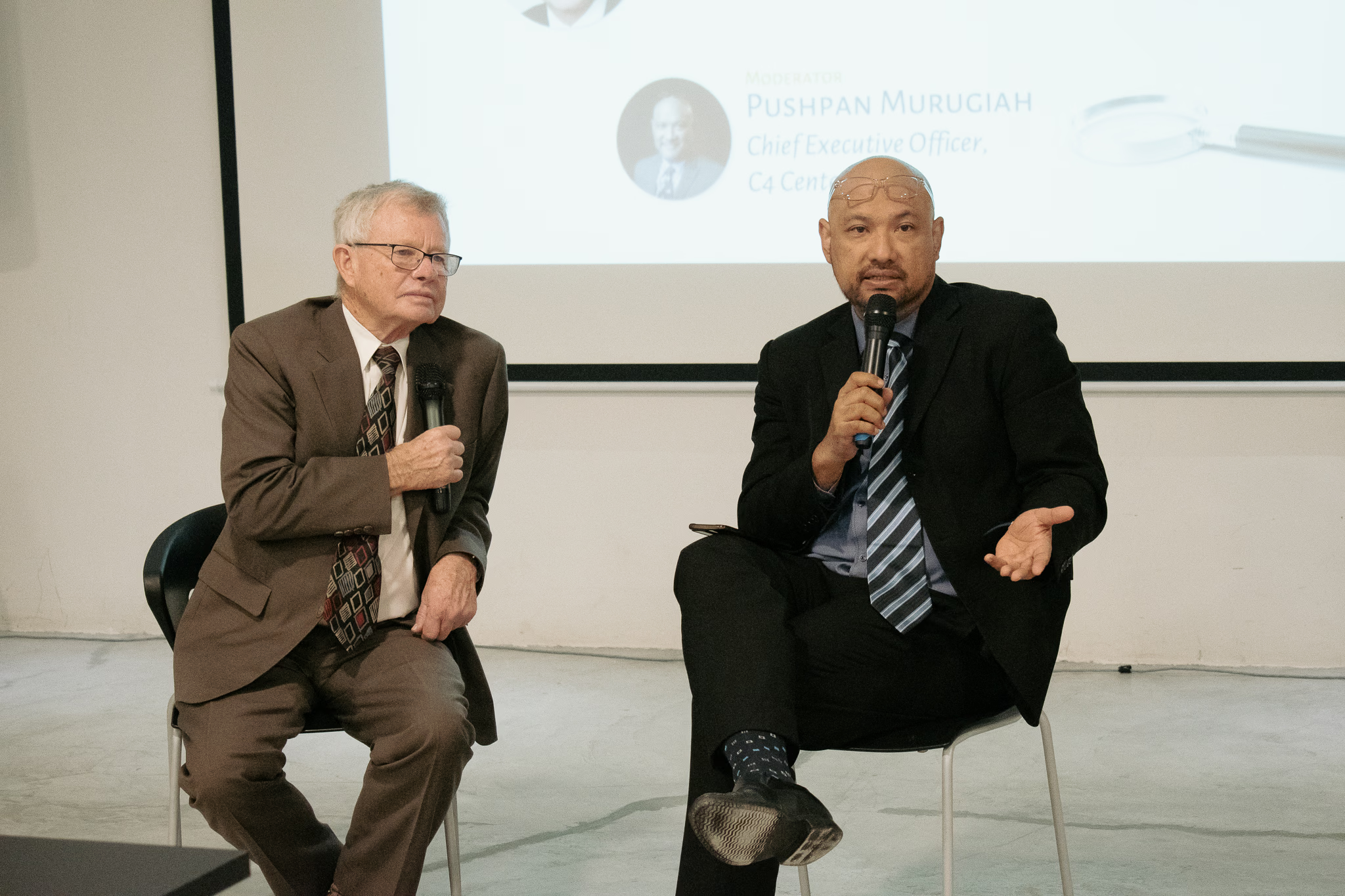
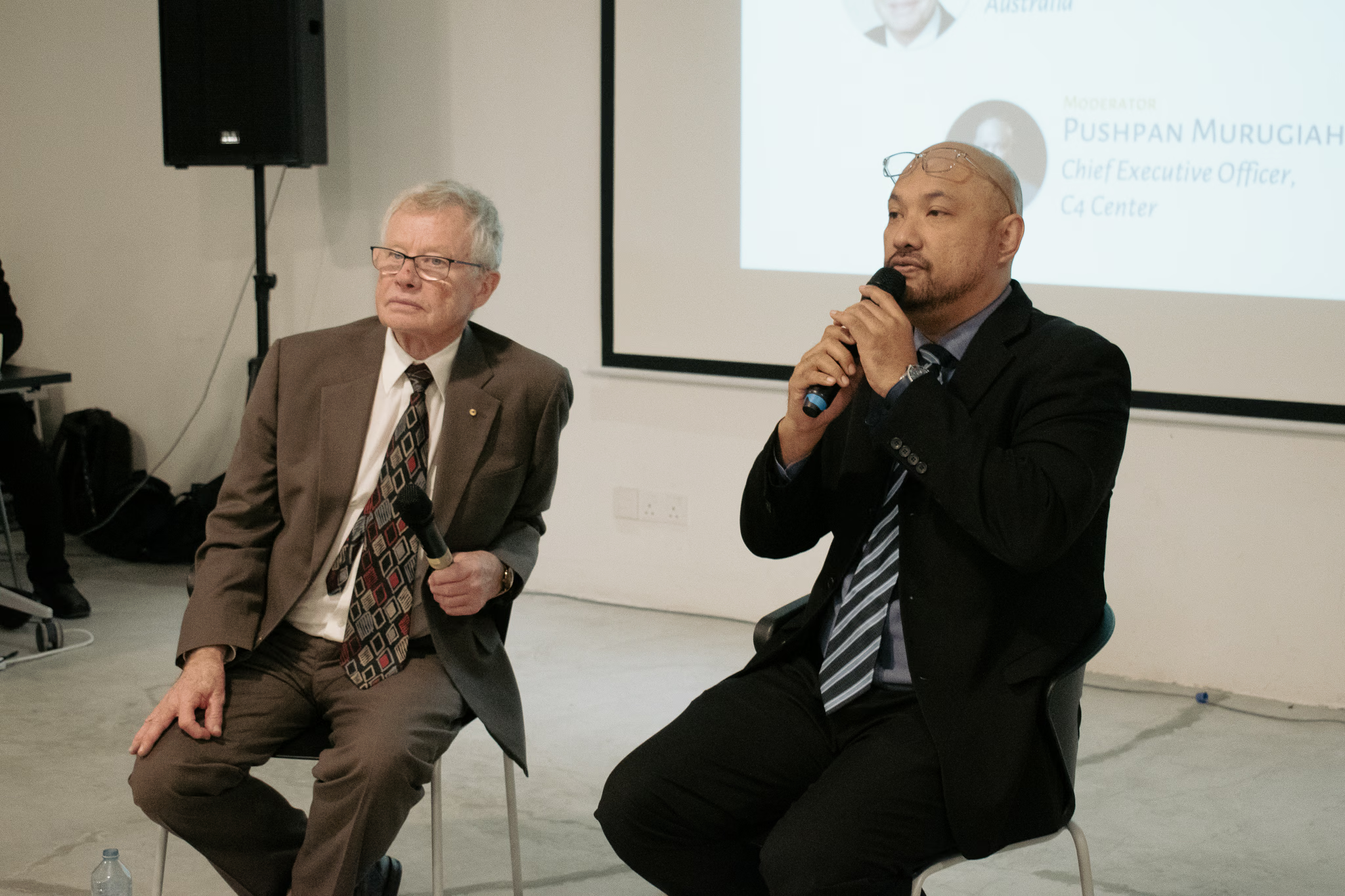
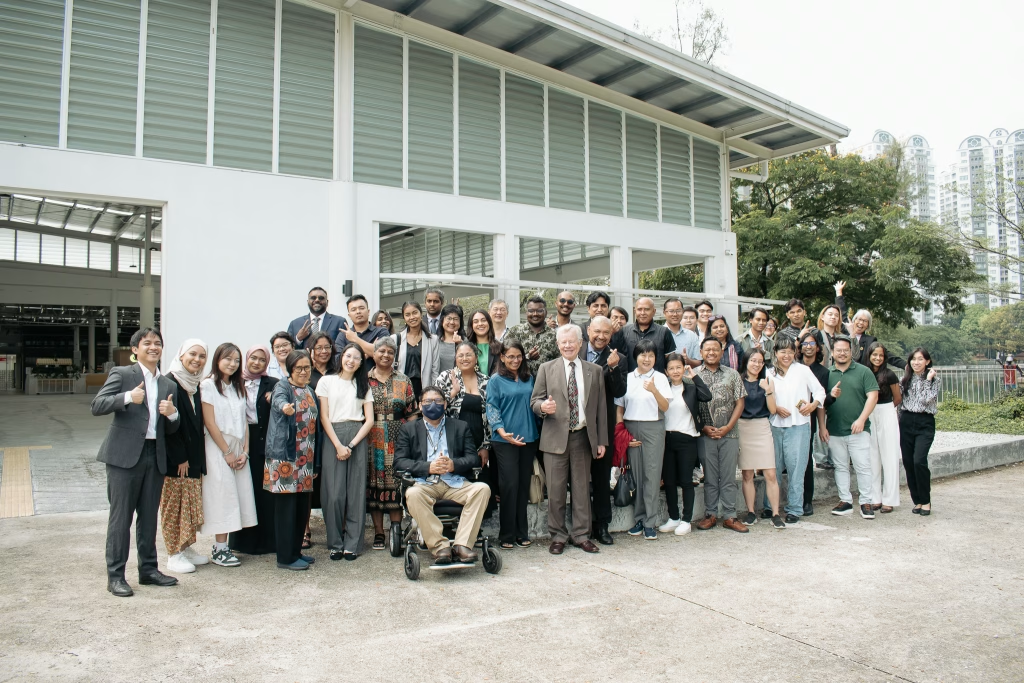
The event aimed to expound upon the Malaysian Ombudsman proposal and impress upon participants the potential usefulness of the body by examining the case of Australia with its Commonwealth Ombudsman. We had the honour of hosting former New South Wales and Commonwealth Ombudsman, Professor John McMillan – who has a wealth of expertise and experience on Australian public service reform. His firsthand knowledge of the benefits that have come from the work of the Ombudsman system in Australia would provide participants with guidance on our journey here in Malaysia. Hence the first part of the session involved a presentation by Professor McMillan on the Australian Ombudsman experience, after which the floor was opened to questions from participants.
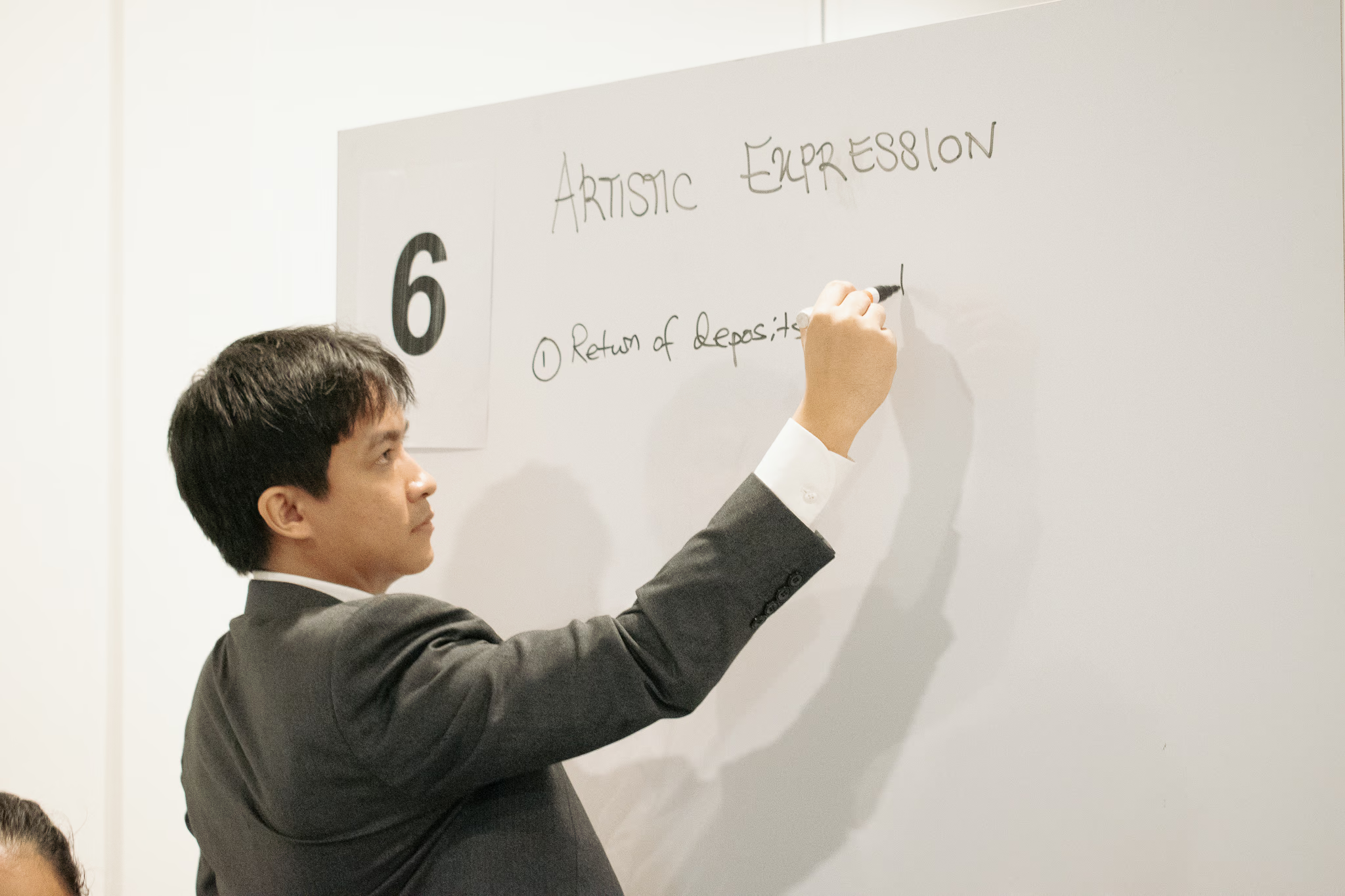
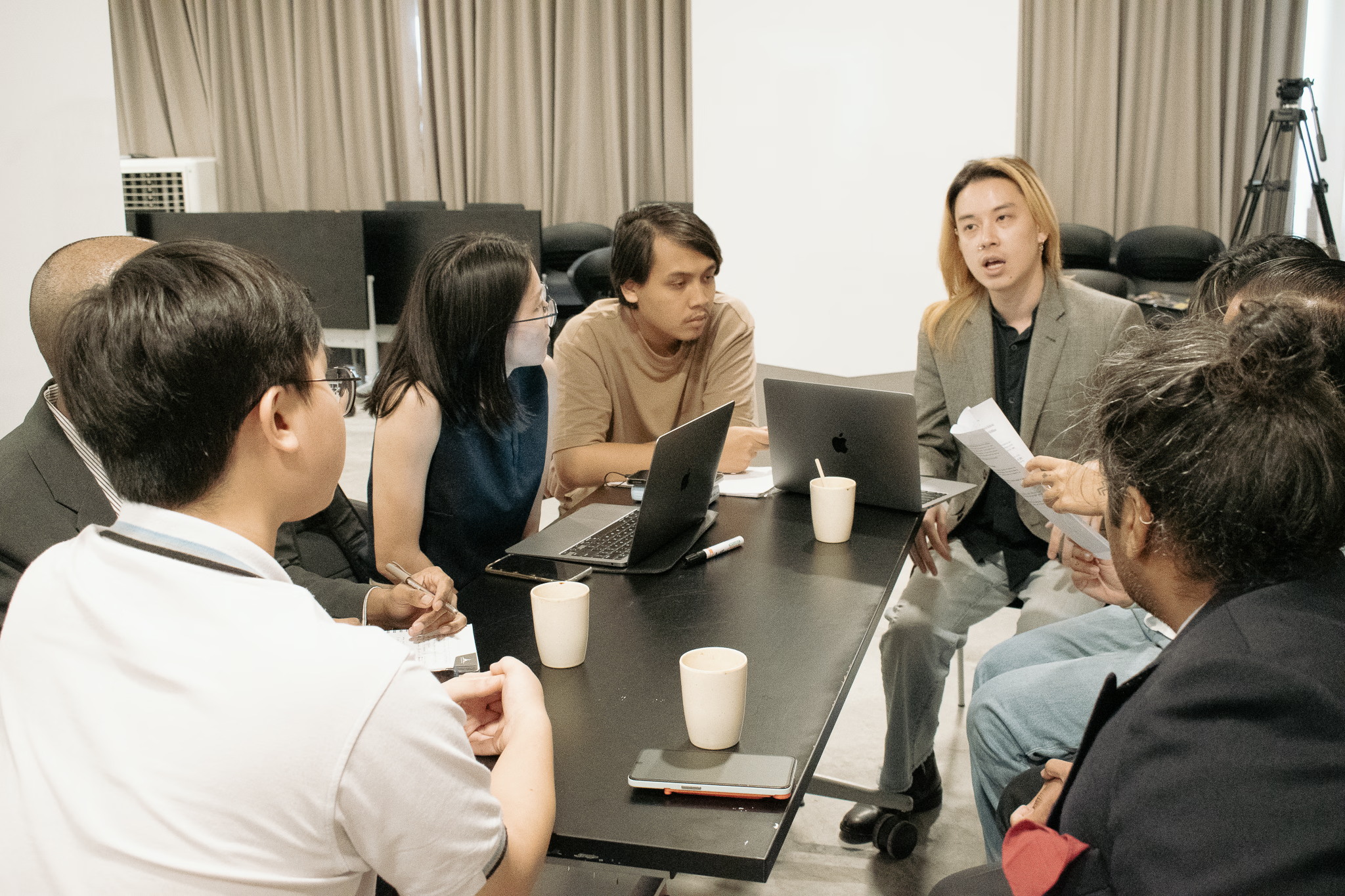
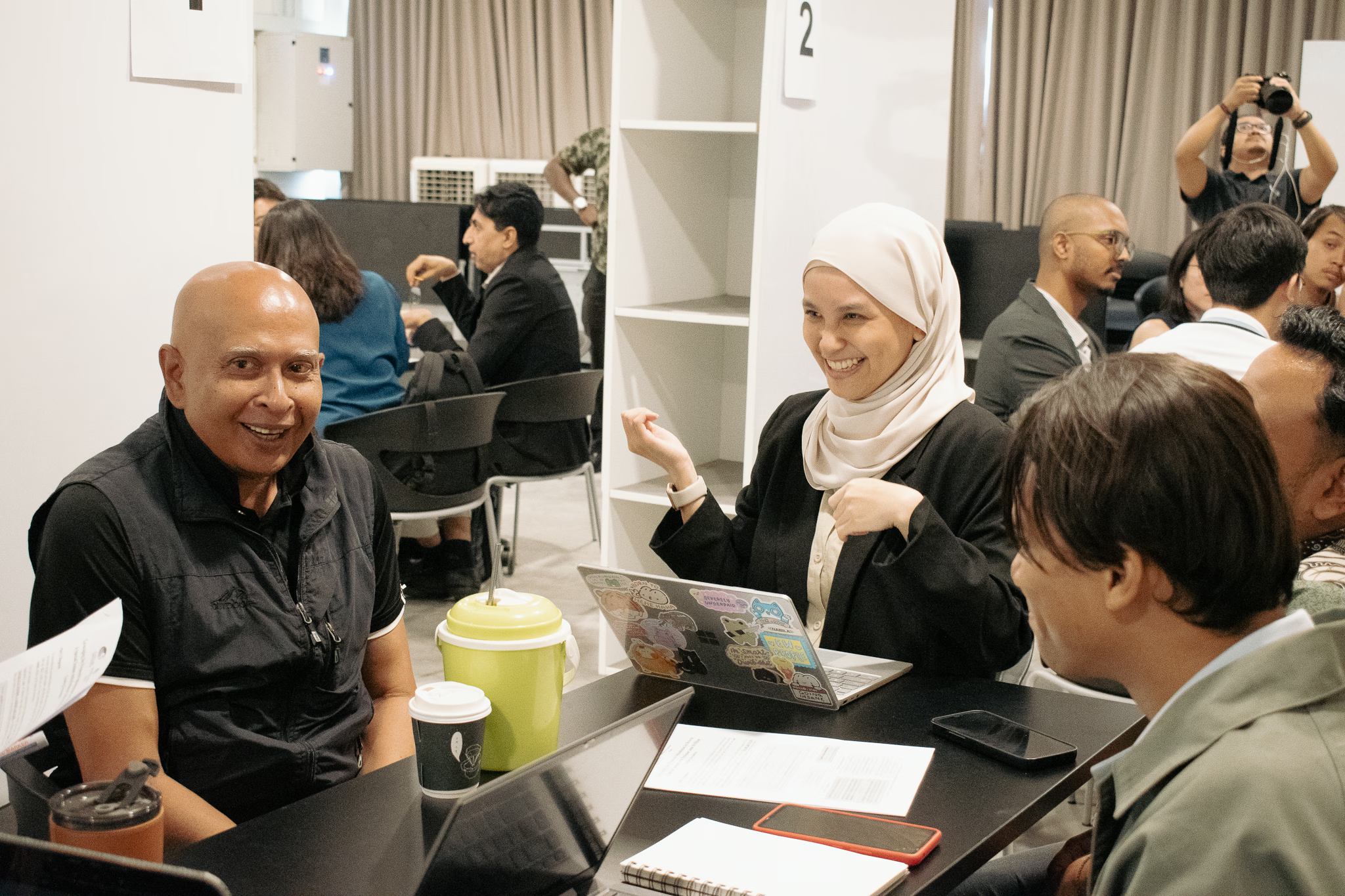
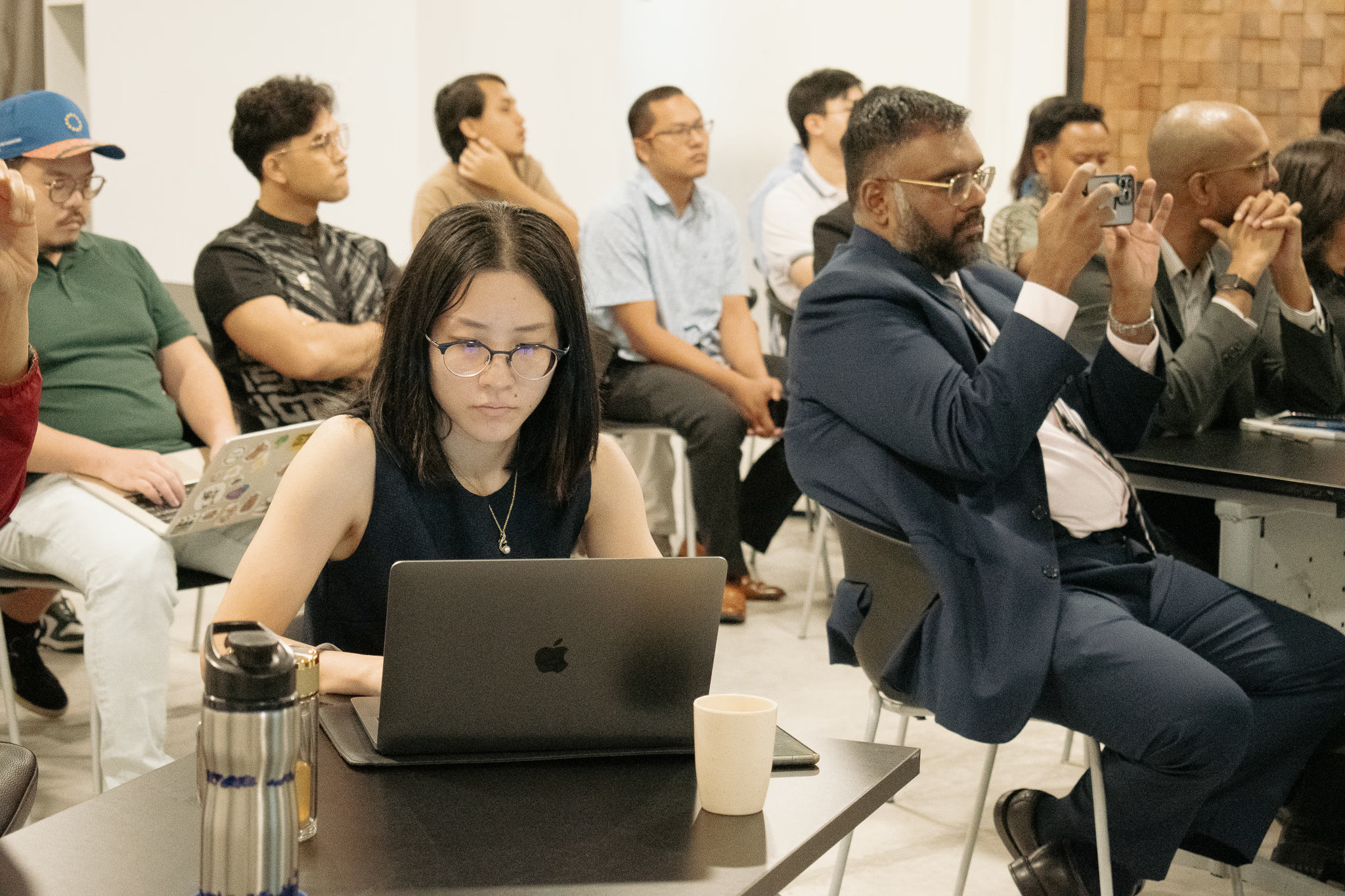
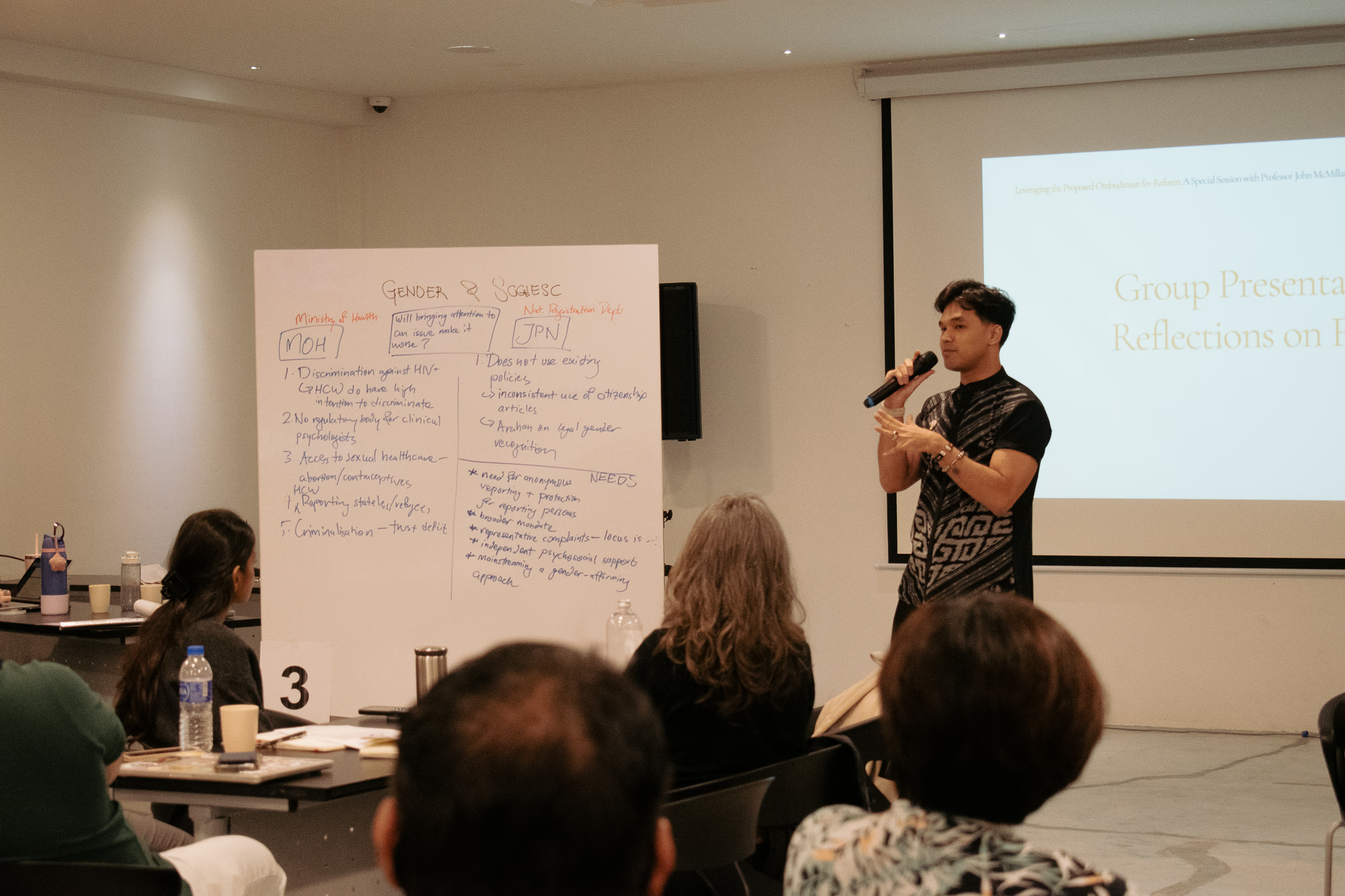
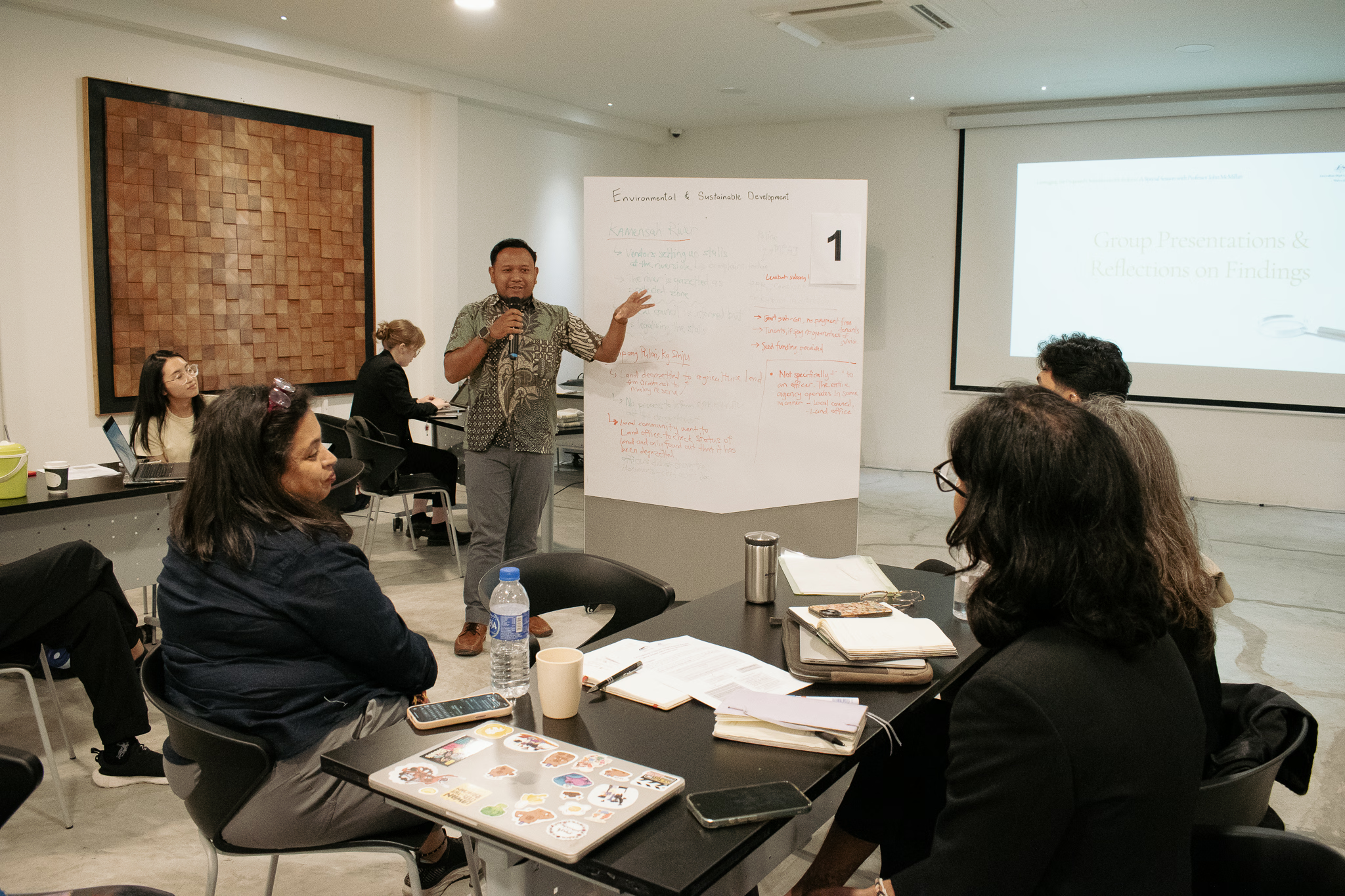
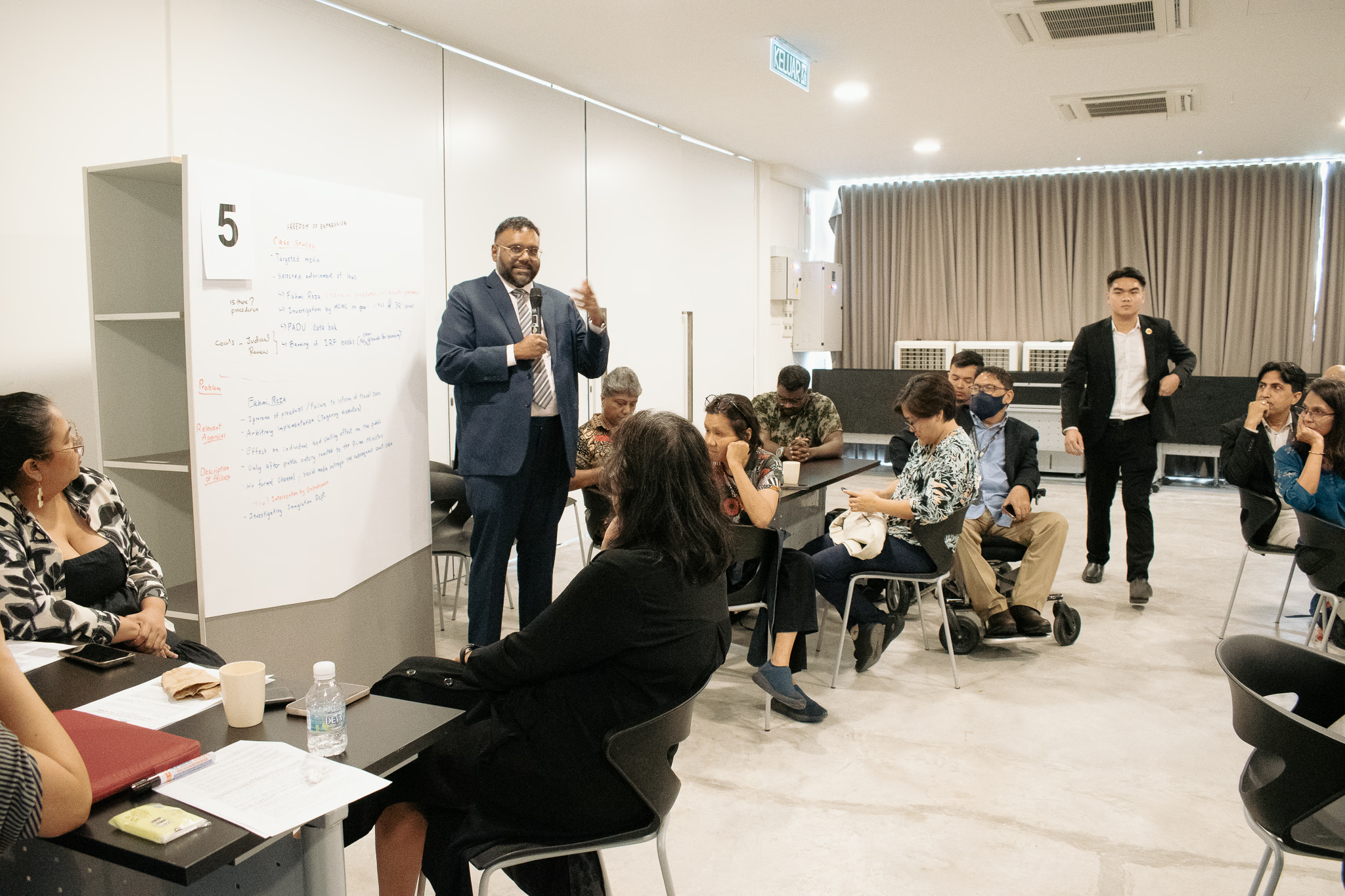
The second part of the session was a brainstorming exercise for the participants to consider the potential intervention points that an Ombudsman office could introduce for their respective thematic focus areas. Participants were invited from a diverse range of thematic focus areas e.g. environment, access to healthcare, arts and culture, women’s rights, queer rights, democracy and governance. They were asked to consider the ways in which the problems they work on are caused by failures in service delivery or implementation of laws/policies (as opposed to flawed legislation, for example) – which will form the basis of how CSOs might seek to engage with the Ombudsman moving forward.
If an Ombudsman office (in whatever form) is to be established by the end of the year, CSOs and human rights defenders must start exploring what this means for our collective advocacy strategies and goals. Having an Ombudsman office that is empowered to perform independent and effective inquiries into instances of public service failure creates an important intervention point for CSOs pushing for better governance at the policy level, as complaints can provide specific information on service failures and gaps which require attention. This could provide us with another tool for influencing change, and as such we must reach across our thematic silos to prepare accordingly.
By encouraging intersectional discourse on this reform proposal, it is hoped that a more holistic advocacy approach can be developed within the Malaysian CSO space. Additionally, by facilitating this critical examination of the potential uses of the Ombudsman for CSOs, we hope to encourage more CSOs to start incorporating mention of the Ombudsman in their public messaging. This will help shape the public narrative on the Ombudsman in favour of a progressive and effective model, which would add pressure upon lawmakers to ensure the final Bill tabled in Parliament is fit for purpose.