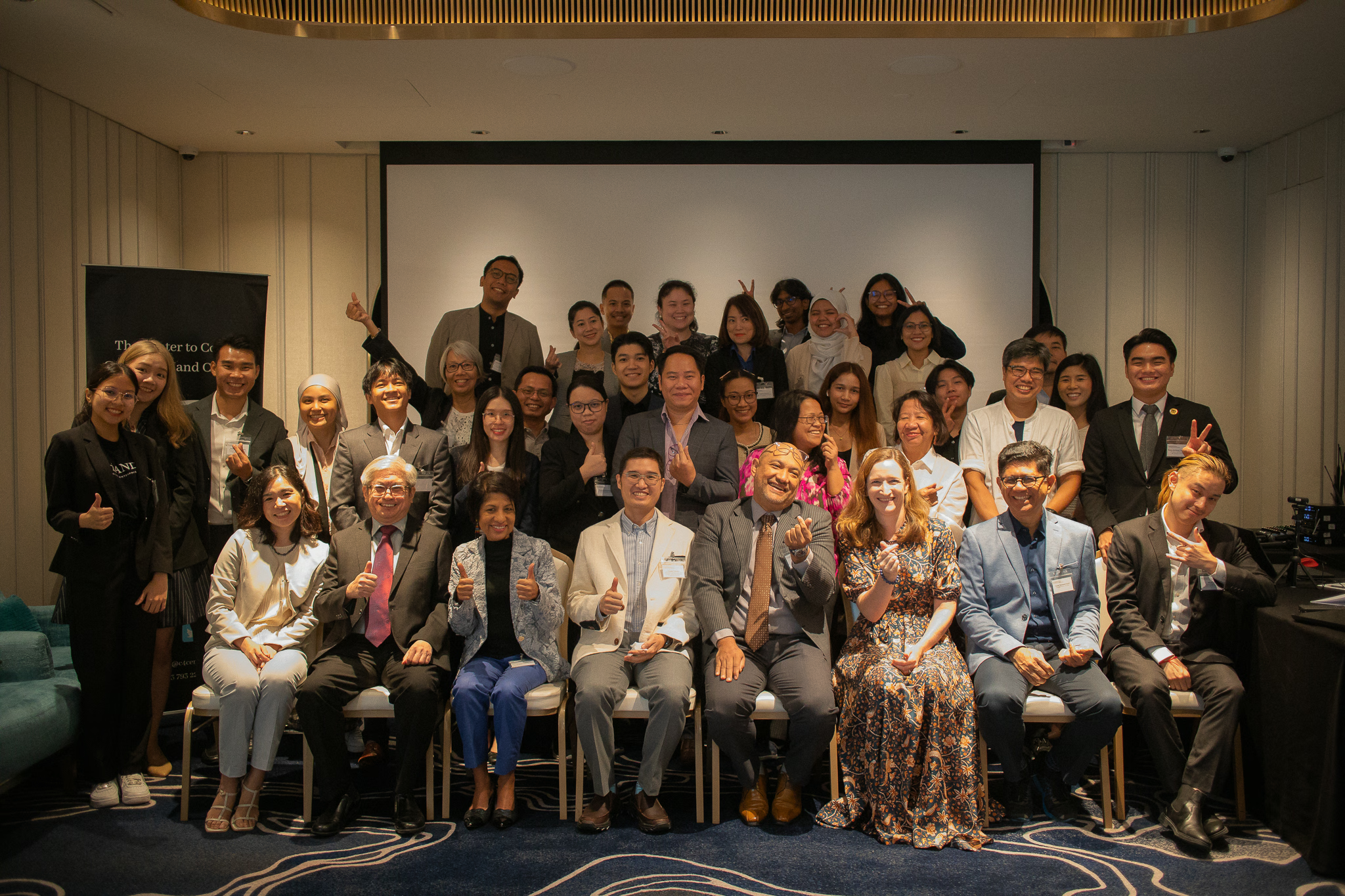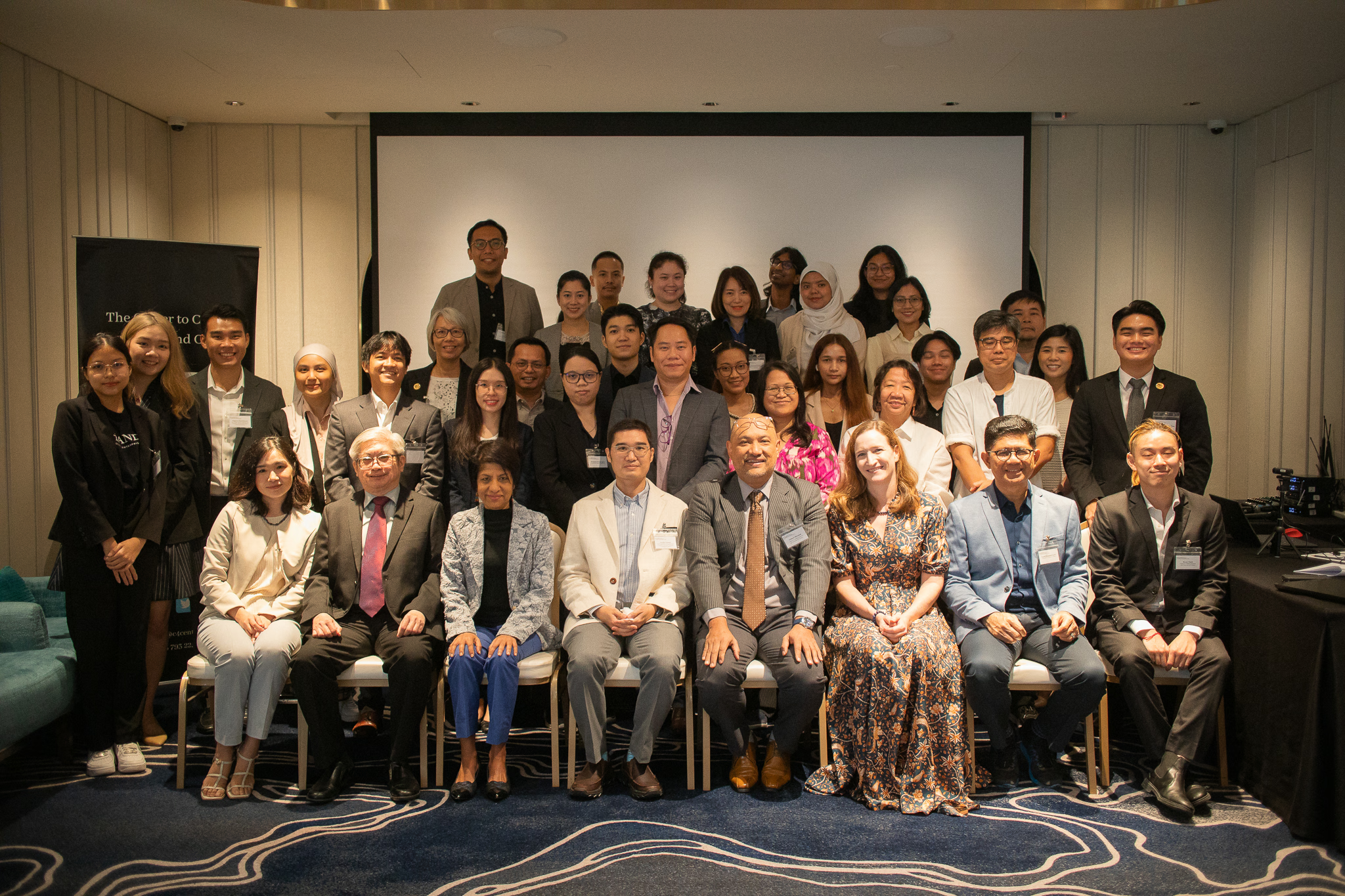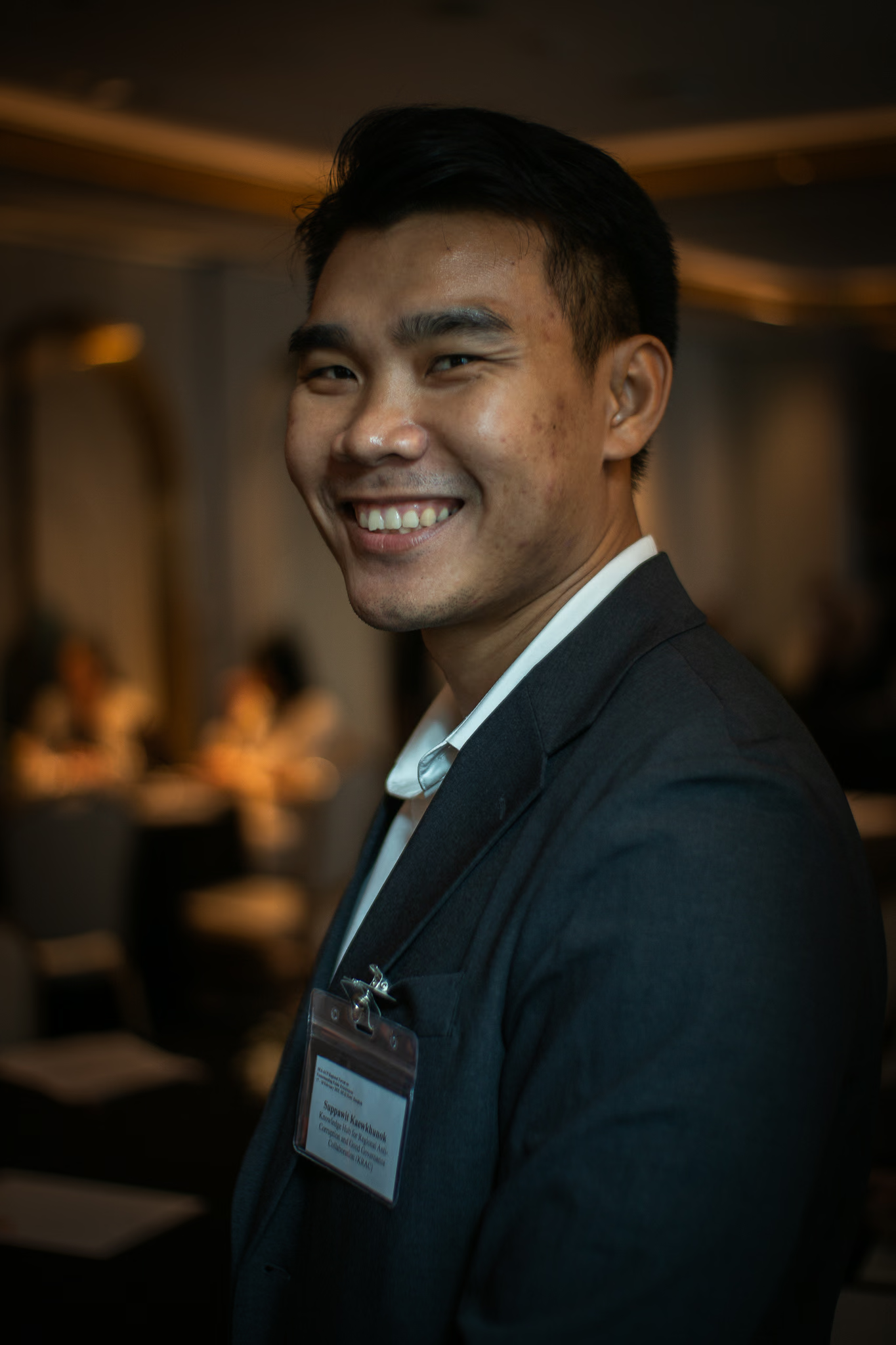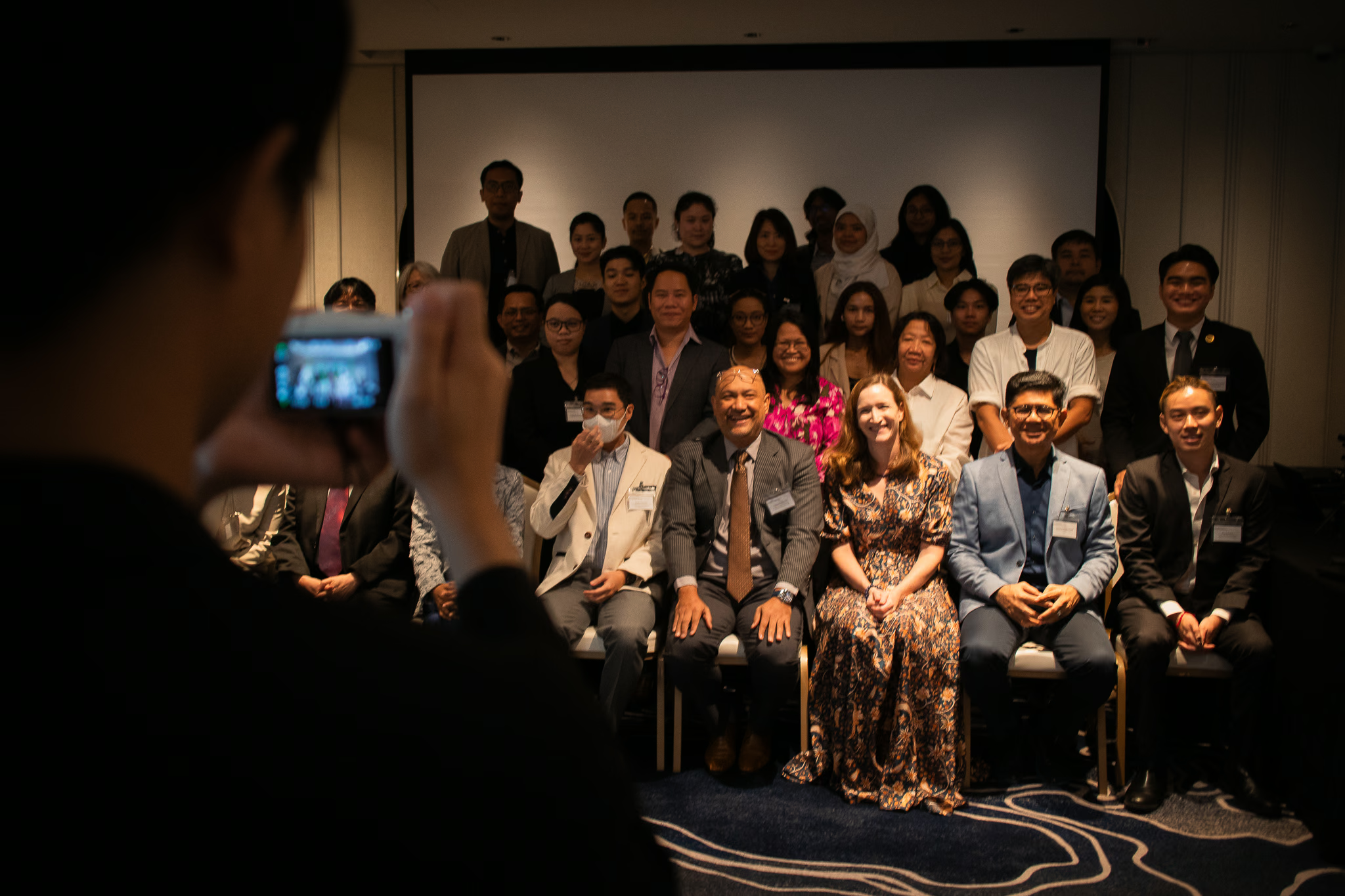
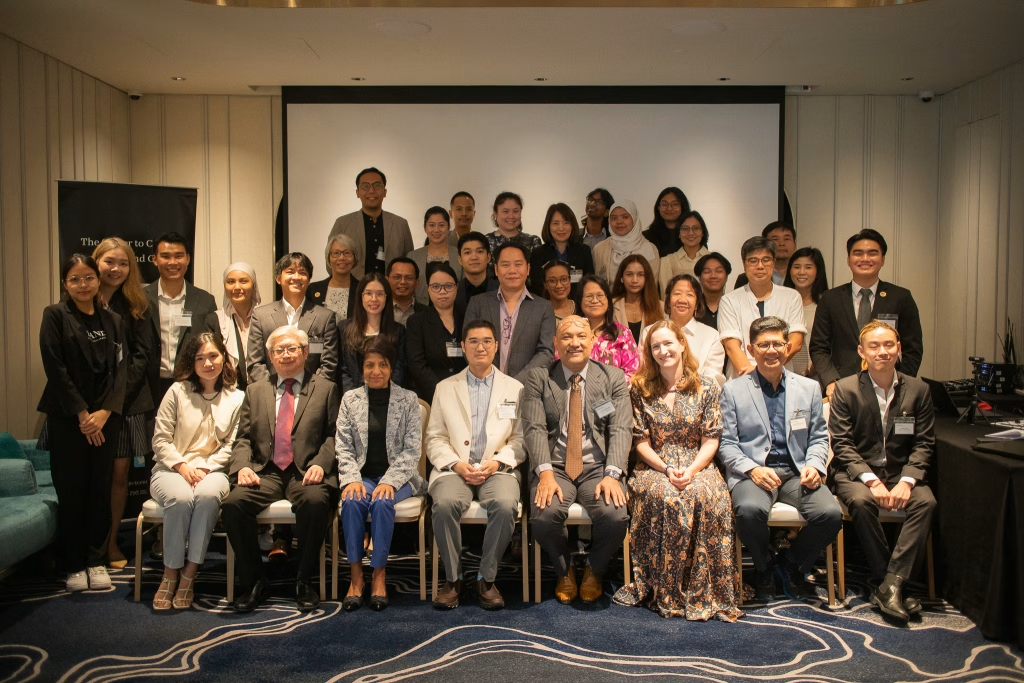
Held in Bangkok, Thailand on the 17th and 18th of February 2025
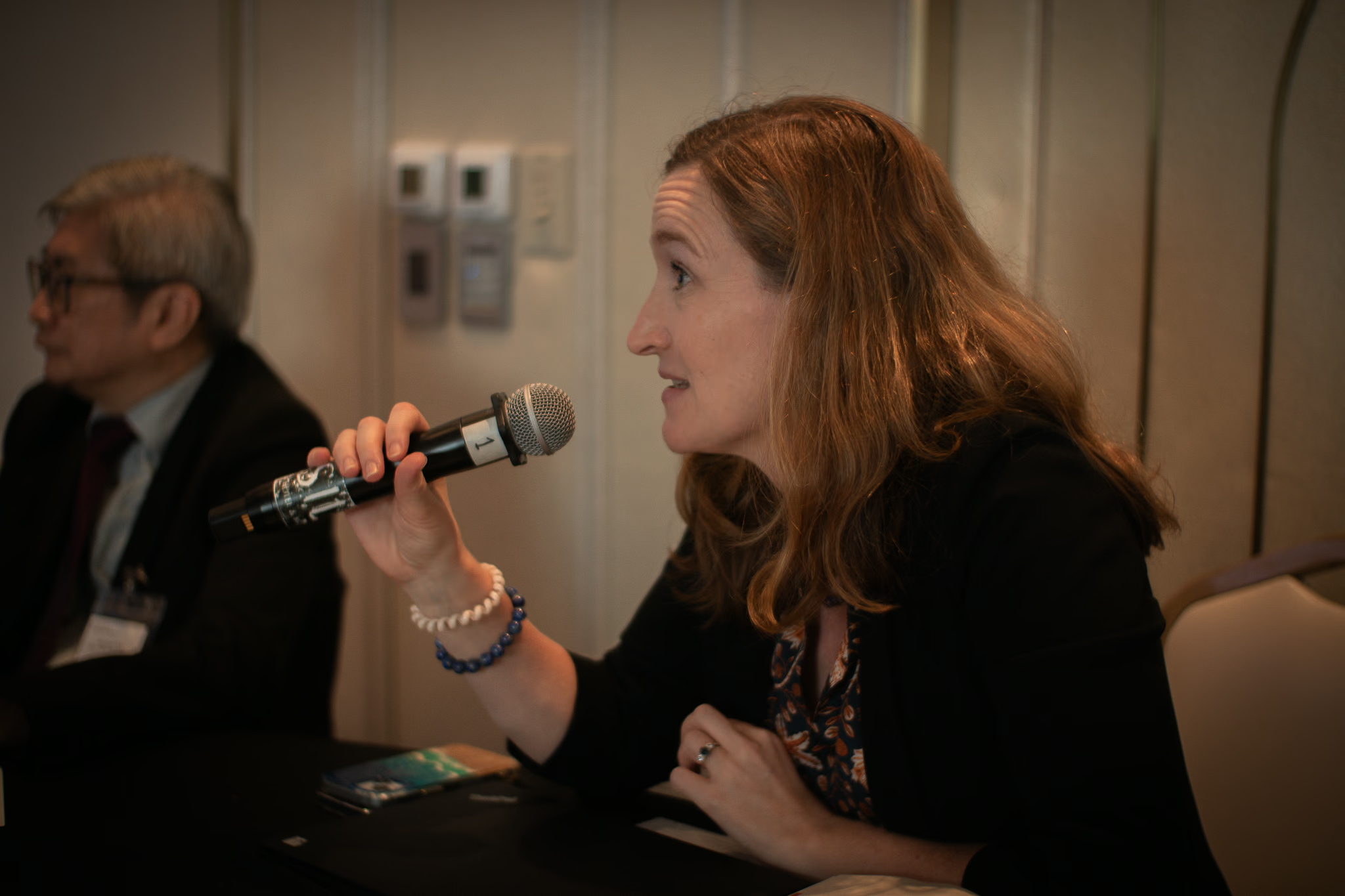
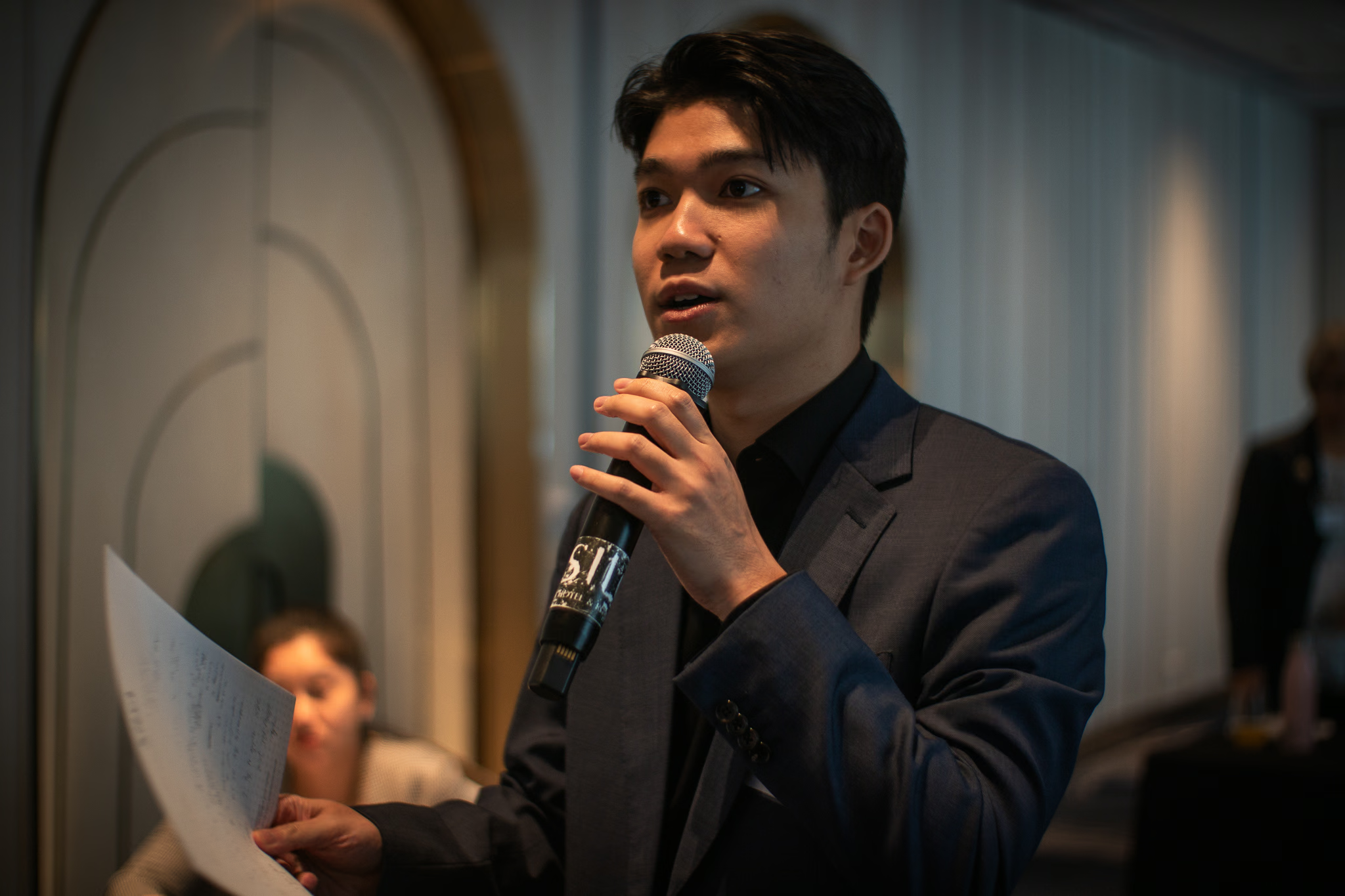
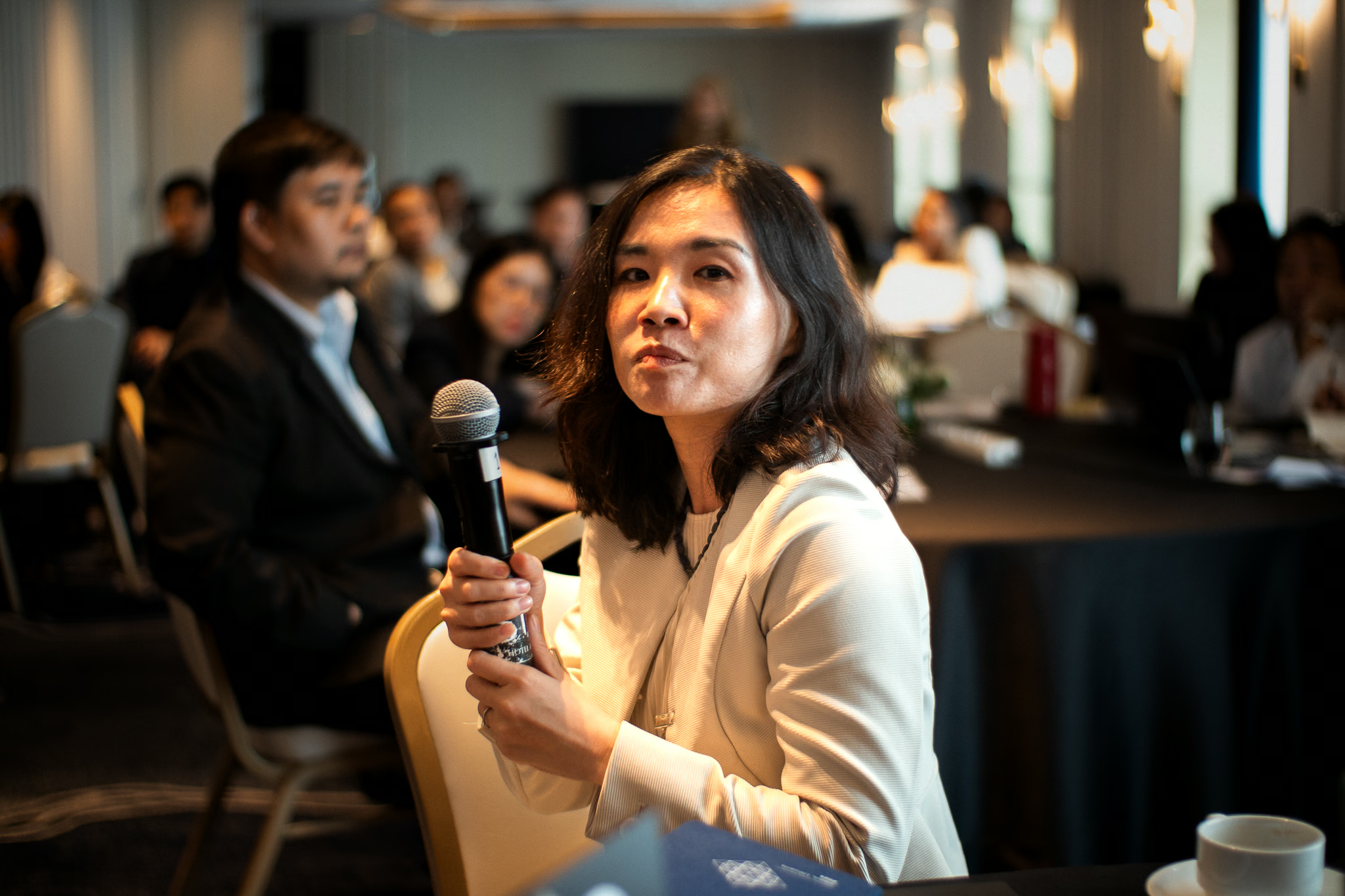
The SEA-ACN Regional Forum on Understanding Public Procurement was organised jointly by the Bangkok-based Knowledge Hub for Regional Anti-Corruption and Good Governance Collaboration (KRAC), and the Malaysia-based Center to Combat Corruption and Cronyism (C4 Center), held at SILQ Hotel and Residences in Bangkok, Thailand between 17 to 18 February 2024. The event was also supported by the United Nations Office on Drugs and Crime (UNODC). The objective of the forum is to facilitate discussions on procurement and contracting practices, including alternative modalities of public procurement in Southeast Asian countries.
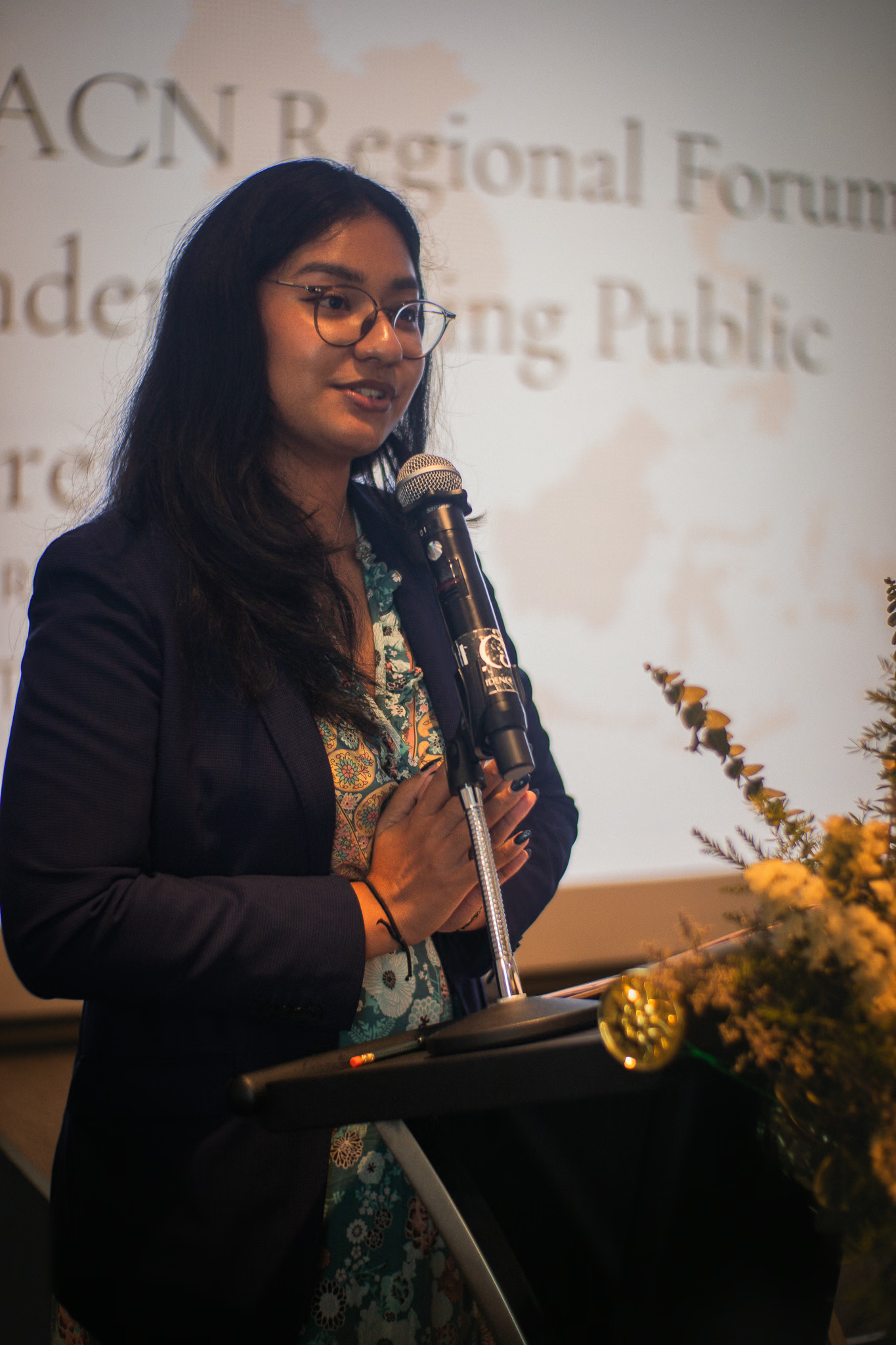
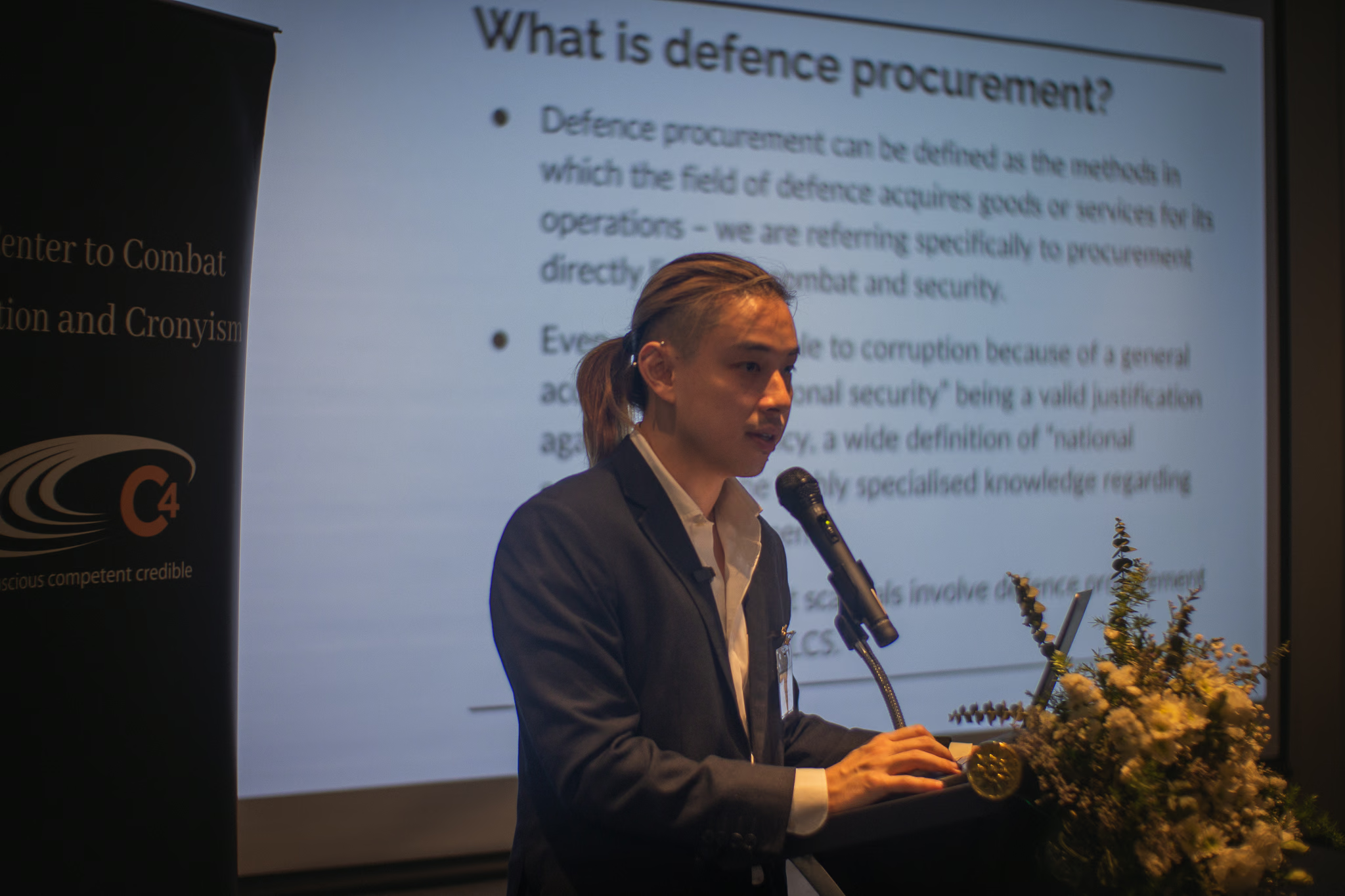
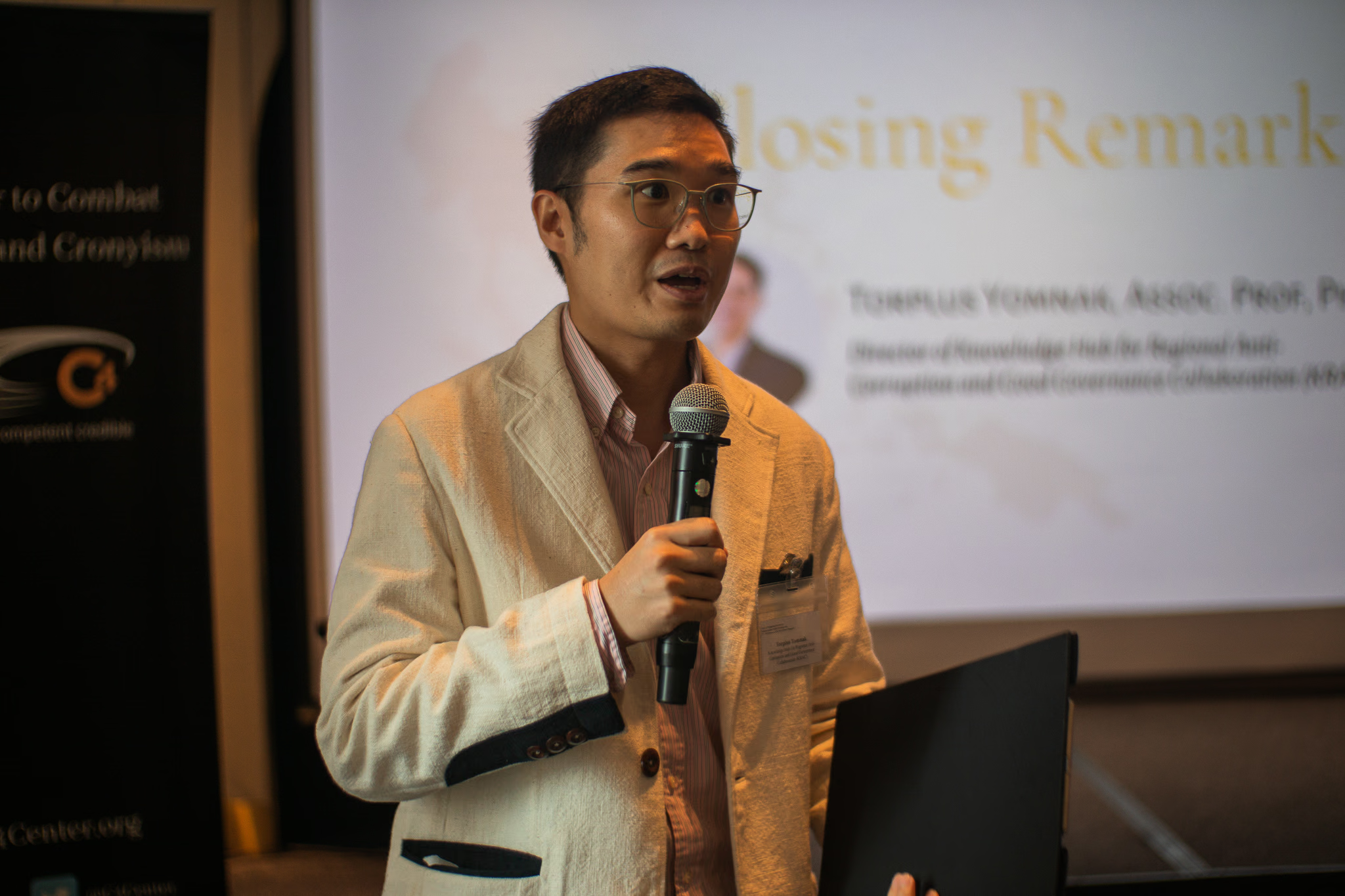
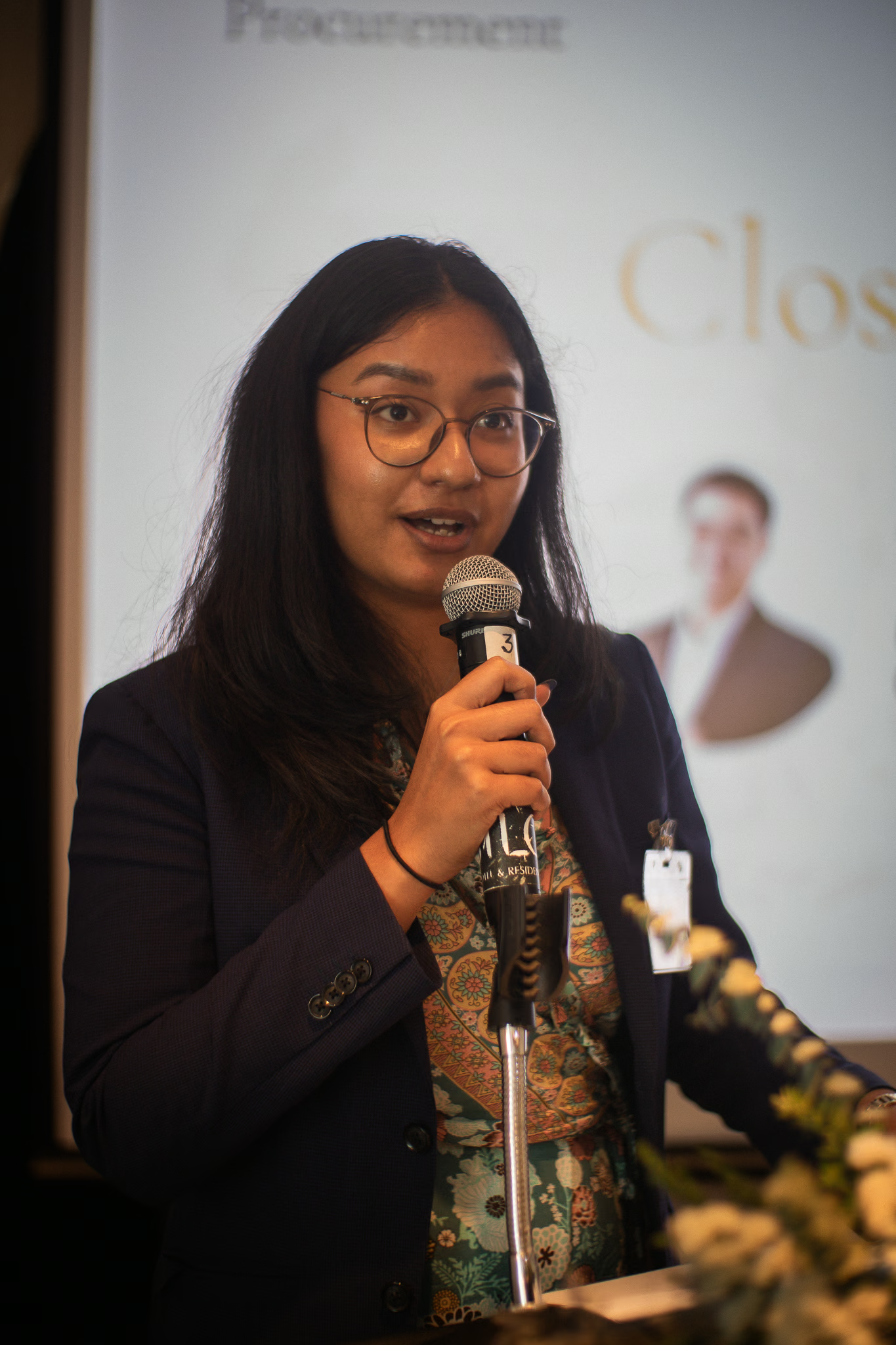
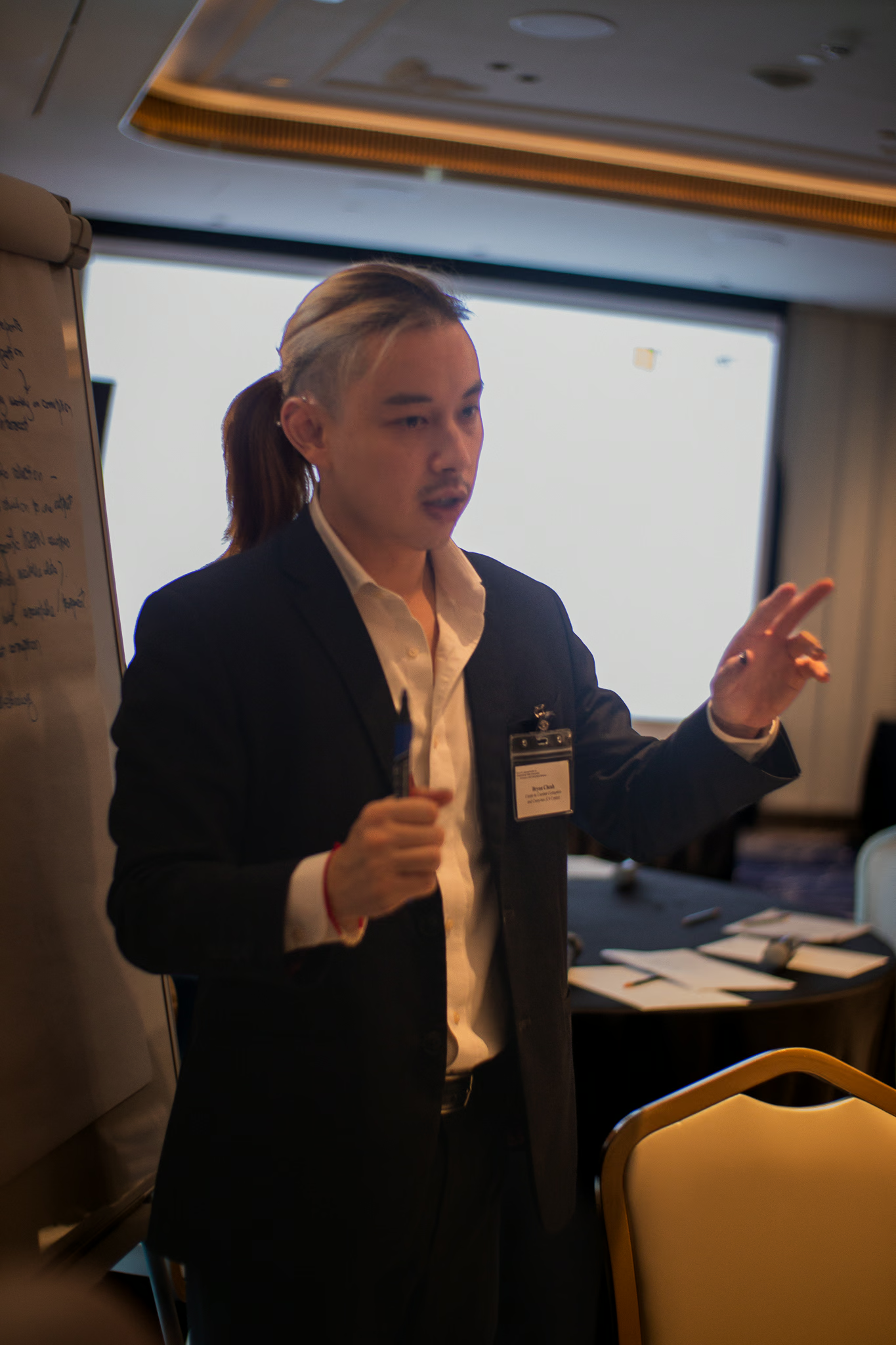
The programme for the first day of the Forum (17 February) was populated with a series of presentations that set out to establish the context of public procurement regimes and related challenges in the Southeast Asian region. The introductory remarks were presented by Annika Wythes, Team Lead, Anti-Corruption Hub for Southeast Asia, United Nations Office on Drugs and Crime (UNODC); Dr. Torplus Yomnak, Director of the Knowledge Hub for Regional Anti-Corruption and Good Governance Collaboration (KRAC); and Pushpan Murugiah, CEO of C4 Center. This was followed by a presentation of the report “Policy Proposal to the Malaysian Government: The Procurement Act” by C4 Center Researcher Bryan Cheah – the report highlights and analyses C4 Center’s key areas concerns with regards to the Malaysian government’s proposed Procurement Act and provides recommendations with regards to how these issues should be addressed and legislated in the drafting of the Act. The full report can be found on C4 Center’s website. Following this, speakers from multiple nations in the Southeast Asian region provided concise explanations regarding the public procurement regimes in their respective nations, with each speaker highlighting the legal and institutional instruments involved in public procurement, as well as the challenges and weaknesses faced in these respective regimes. After having familiarised all participants with the basics of the different public procurement systems in different Southeast Asian nations, Pushpan Murugiah presented “Public Procurement and Other Modalities of Government Contracting.” His presentation provided an explanation of the alternative procurement modalities increasingly being used by governments globally to contract with the private sector as well as other governments, highlighting the corruption risks inherent to these modalities as they are not generally governed under conventional procurement guidelines or legislation.
This was followed by “Improving Procurement and Contracting Transparency” by Clara Feng, Regional Advisor for the Infrastructure Transparency Initiative (CoST) – Clara’s presentation was an overview of the work undertaken by CoST in ensuring infrastructure projects adhere to transparency principles, ensuring that the projects meet their purpose, are carried out efficiently, and are completed with the interests of communities in mind, while highlighting the importance of data collection and utilisation throughout CoST’s operations.
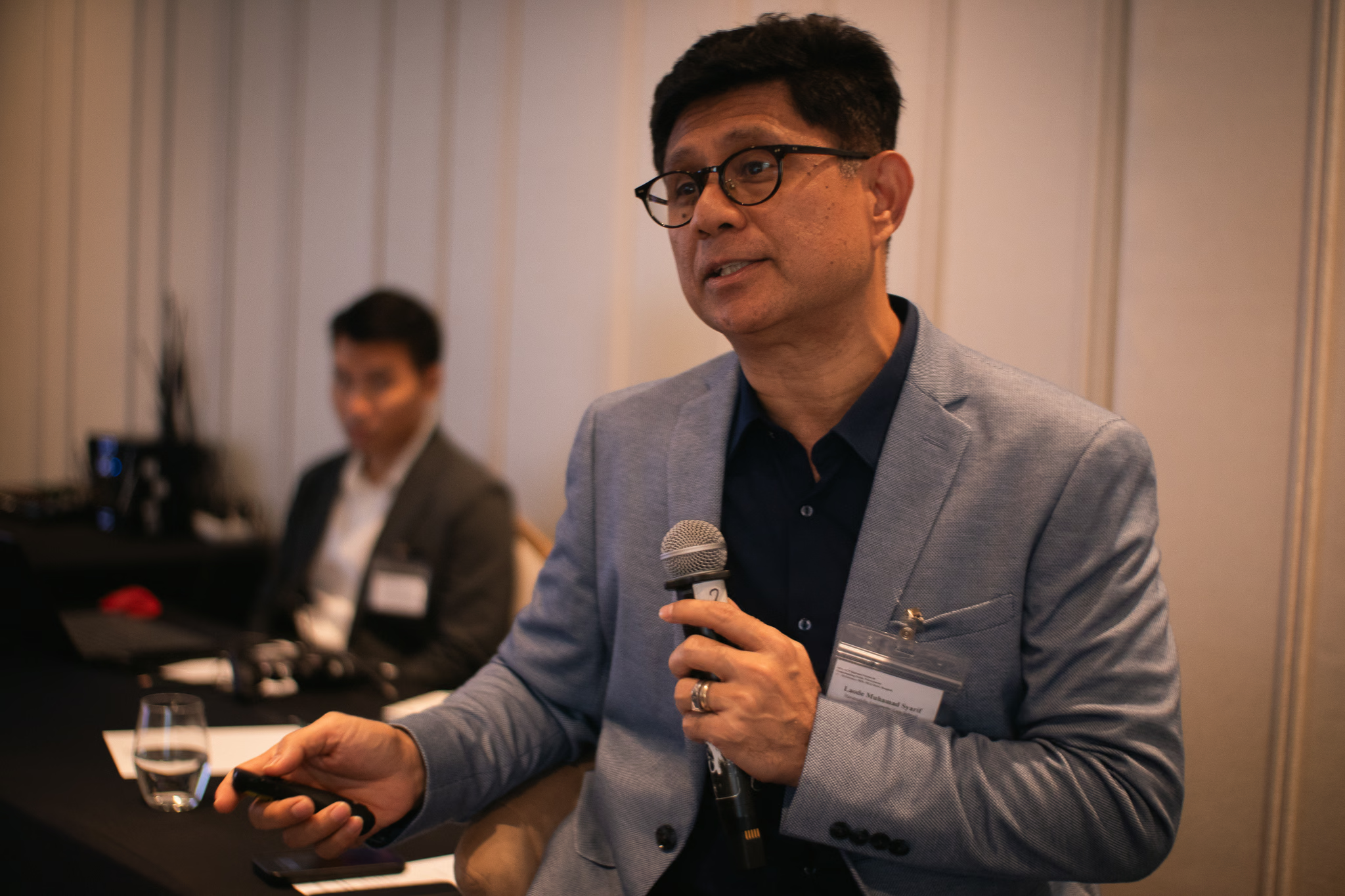
The last panel session of the first day was “Various Types of the Procurement Modalities & its Financial Impact: Case Studies in Malaysia, Indonesia, Singapore, and Cambodia.” This panel intended to gain insight regarding the procurement-related scandals and anti-corruption action undertaken by individual Southeast Asian countries. The speakers for this panel session were Cynthia Gabriel from Malaysia, Laode Syarif from Indonesia, Soh Kee Hean from Singapore, and another representative who wished to remain unnamed. Pushpan Murugiah moderated this session.
Each speaker presented on major corruption scandals that have taken place within their respective nations that were related to public procurement, while mentioning each government’s strategies in addressing or curbing corruption – it was observed that large infrastructure projects were often the ones who were exempt from procurement transparency protocol, obscuring these projects from public scrutiny.
The programme for the second day of the Forum (18 February) included two workshops that aimed at obtaining more granular data with regards to the participants’ experience and work in relation to the weaknesses of the public procurement system in their home countries, and to also identify the strategies adopted by participants and their organisations to enable and support public procurement regime reform. The outcomes from these workshops were strategies that could be undertaken by CSOs both individually and under the SEA-ACN collective to improve advocacy work. These strategies included the development of data sharing centres and platforms for CSOs to share their intel and expertise with each other; CSOs actively engaging with and mutually planning projects that are regional and cross-border in nature in order to address the increasing cross-border nature of public procurement corruption; the need for collective representation at international-level and inter-governmental engagements such as the ASEAN Parties Against Corruption (ASEAN-PAC); and for SEA-ACN to collectively seek out funding opportunities and alternative methods of self-funding so that more activities can be initiated and carried out.
The findings of this two-day forum and its respective workshops were compiled into a report submitted to KRAC and UNODC that focused on a comparative analysis of procurement regimes of different Southeast Asian nations, with a view to expand upon advocacy on good governance in public procurement strategies regionally.