Held in Kuala Lumpur on the 25th January 2025
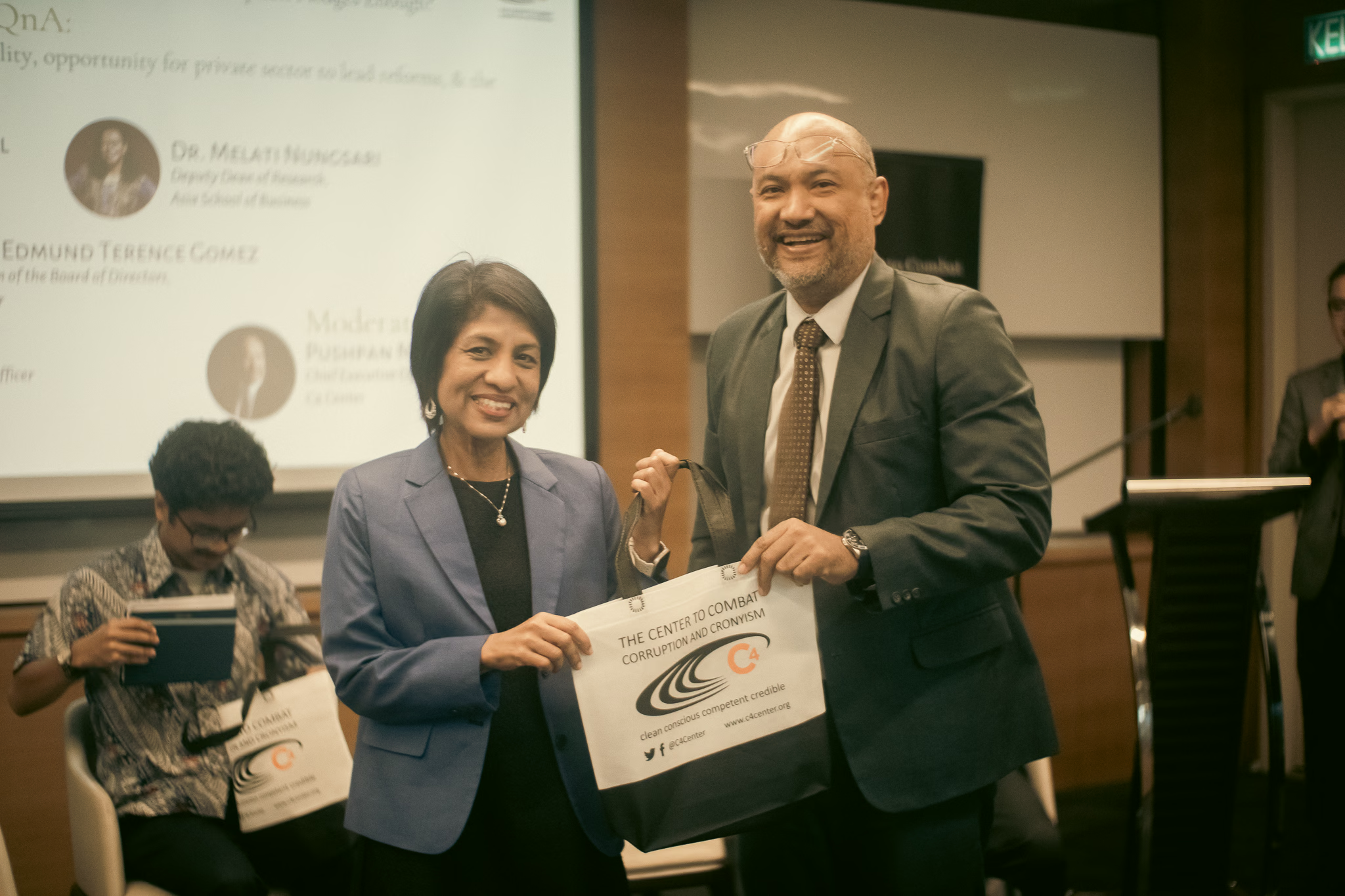
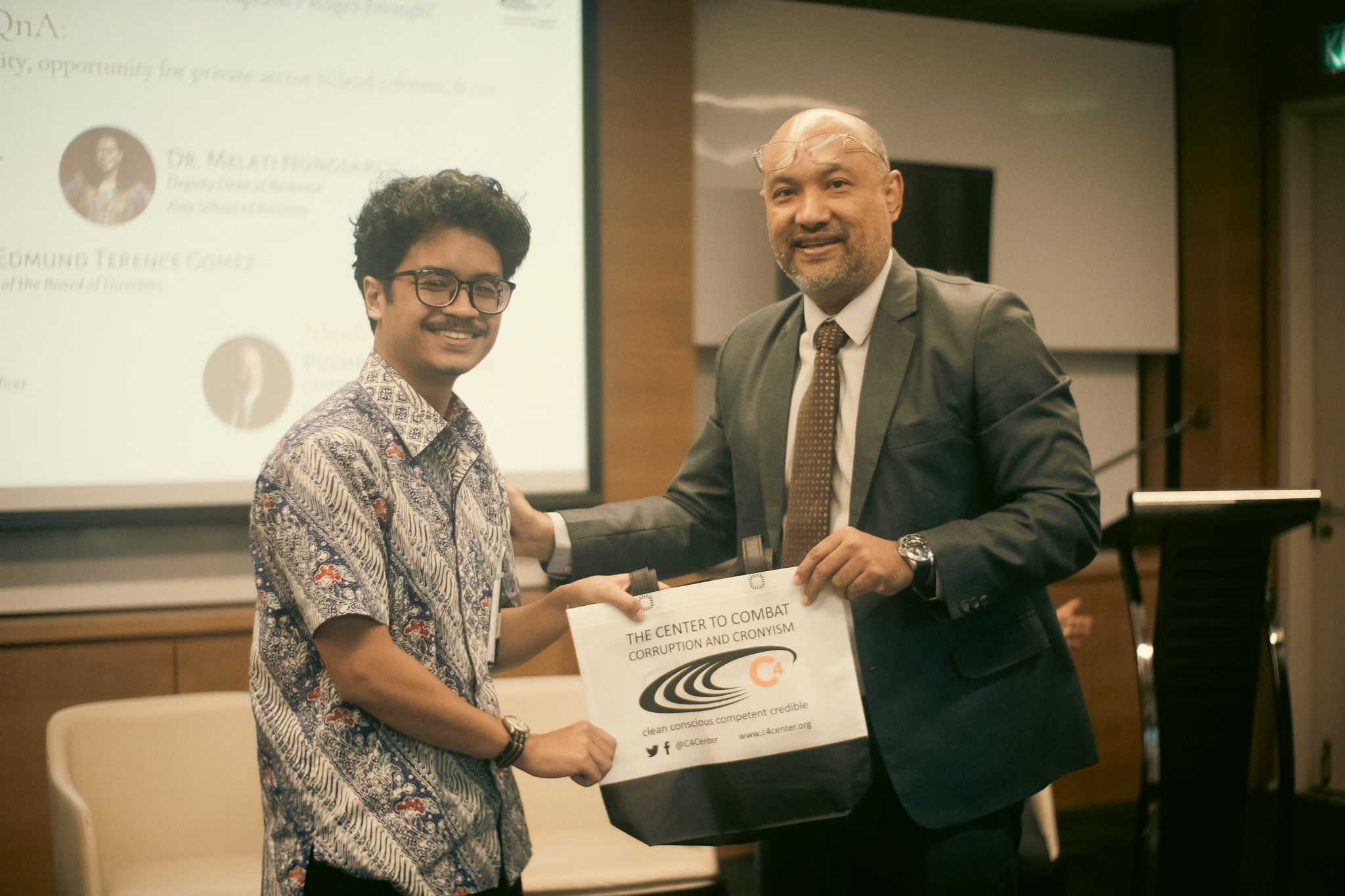
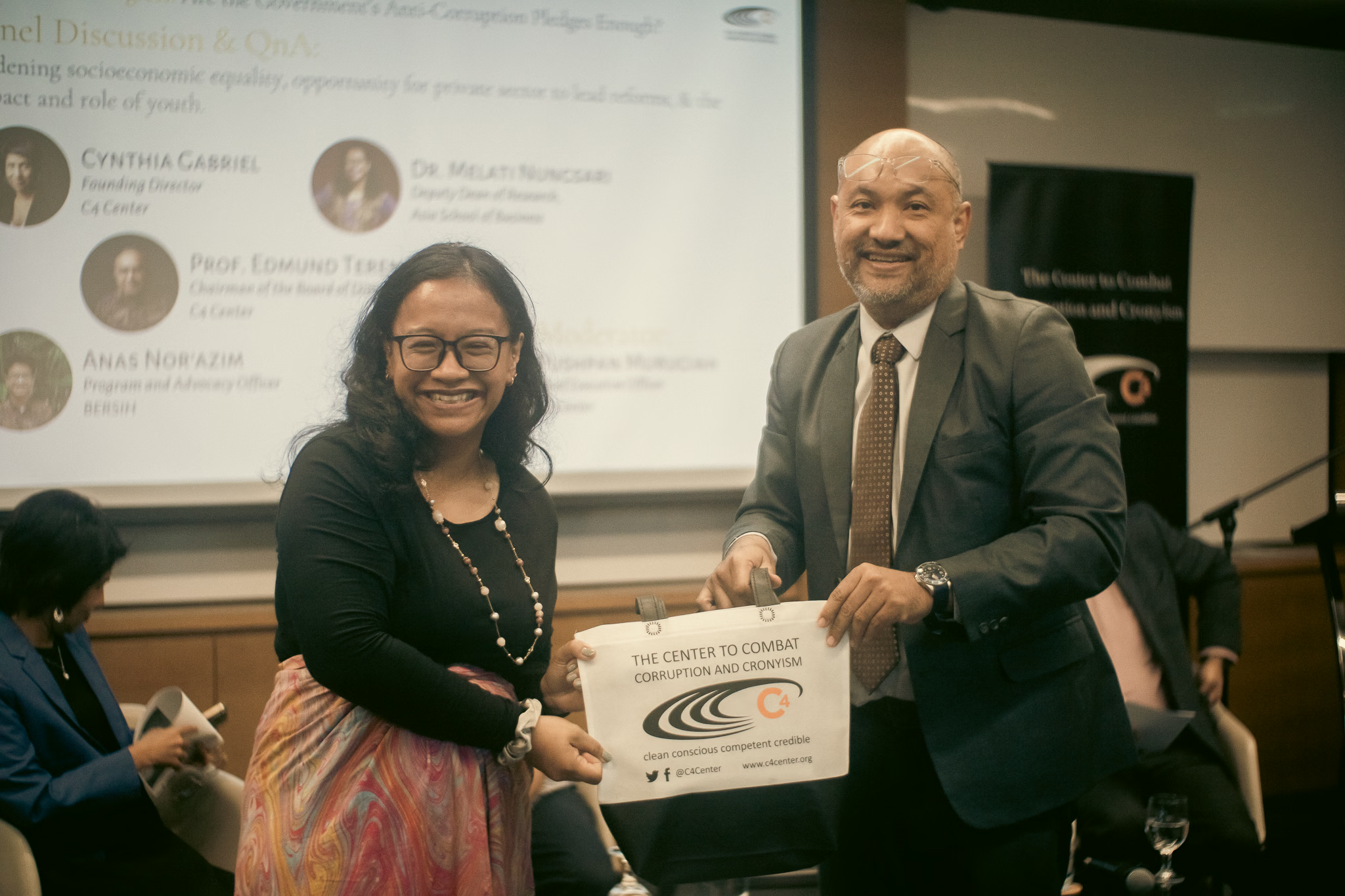
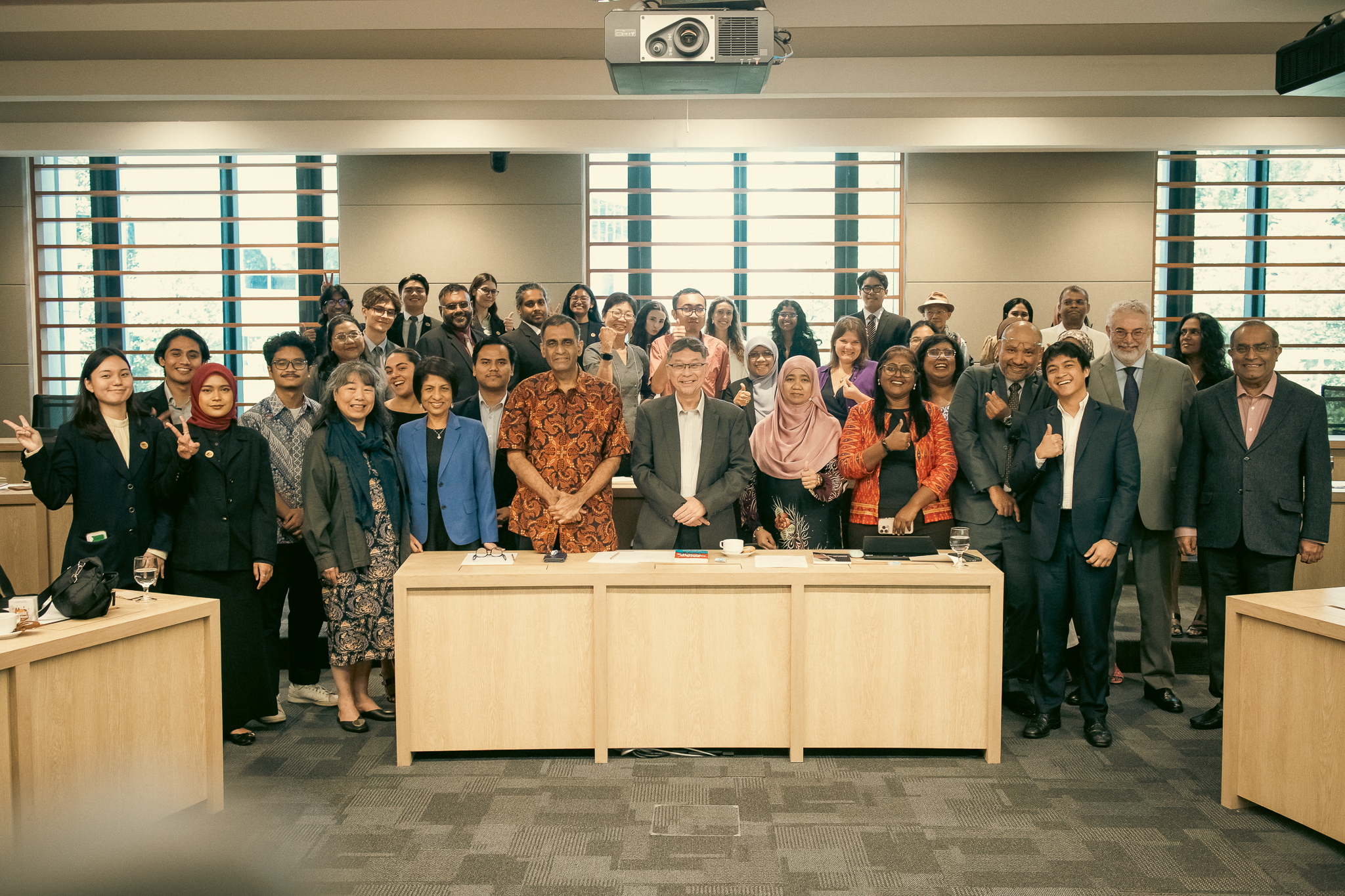
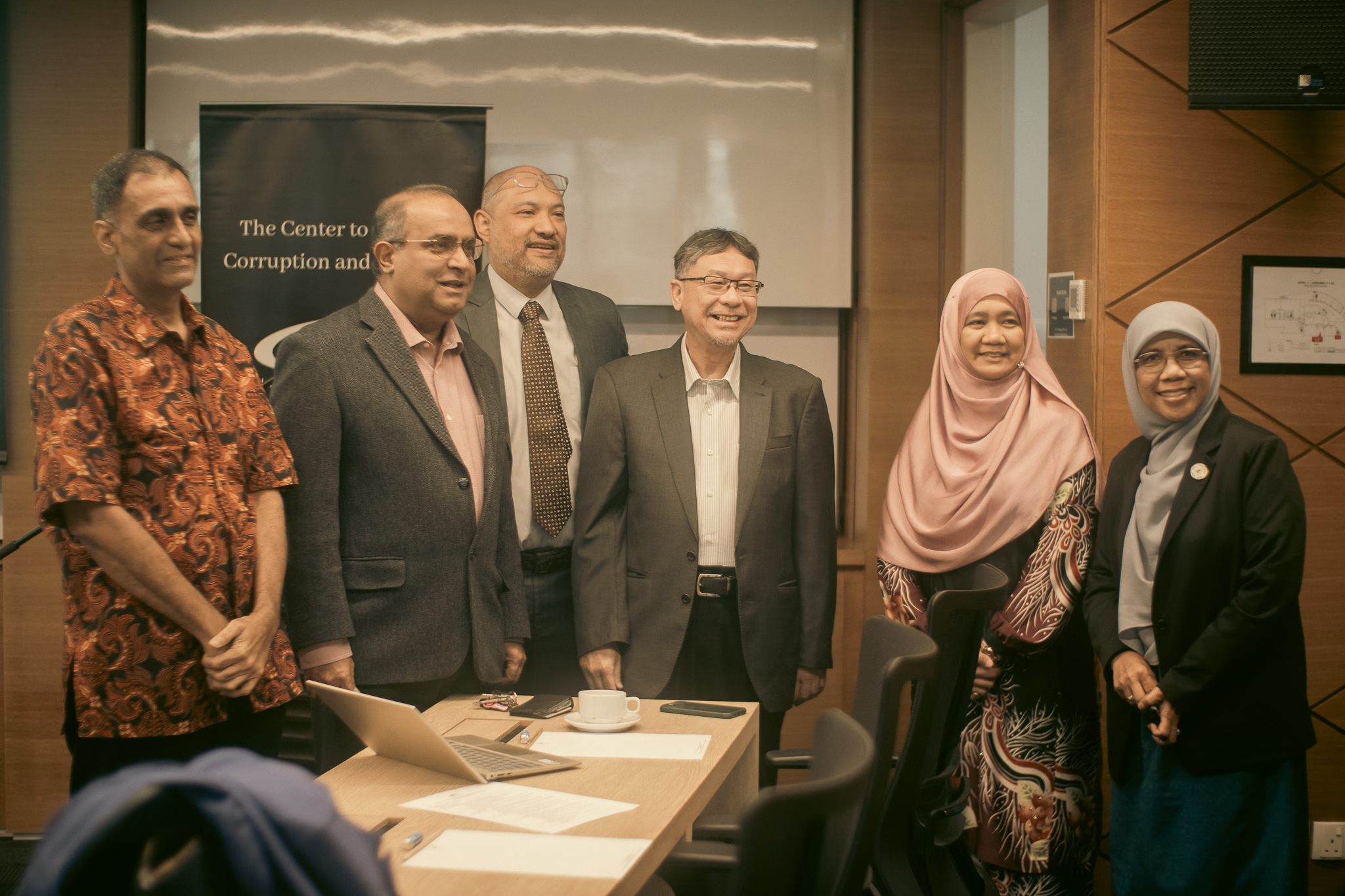
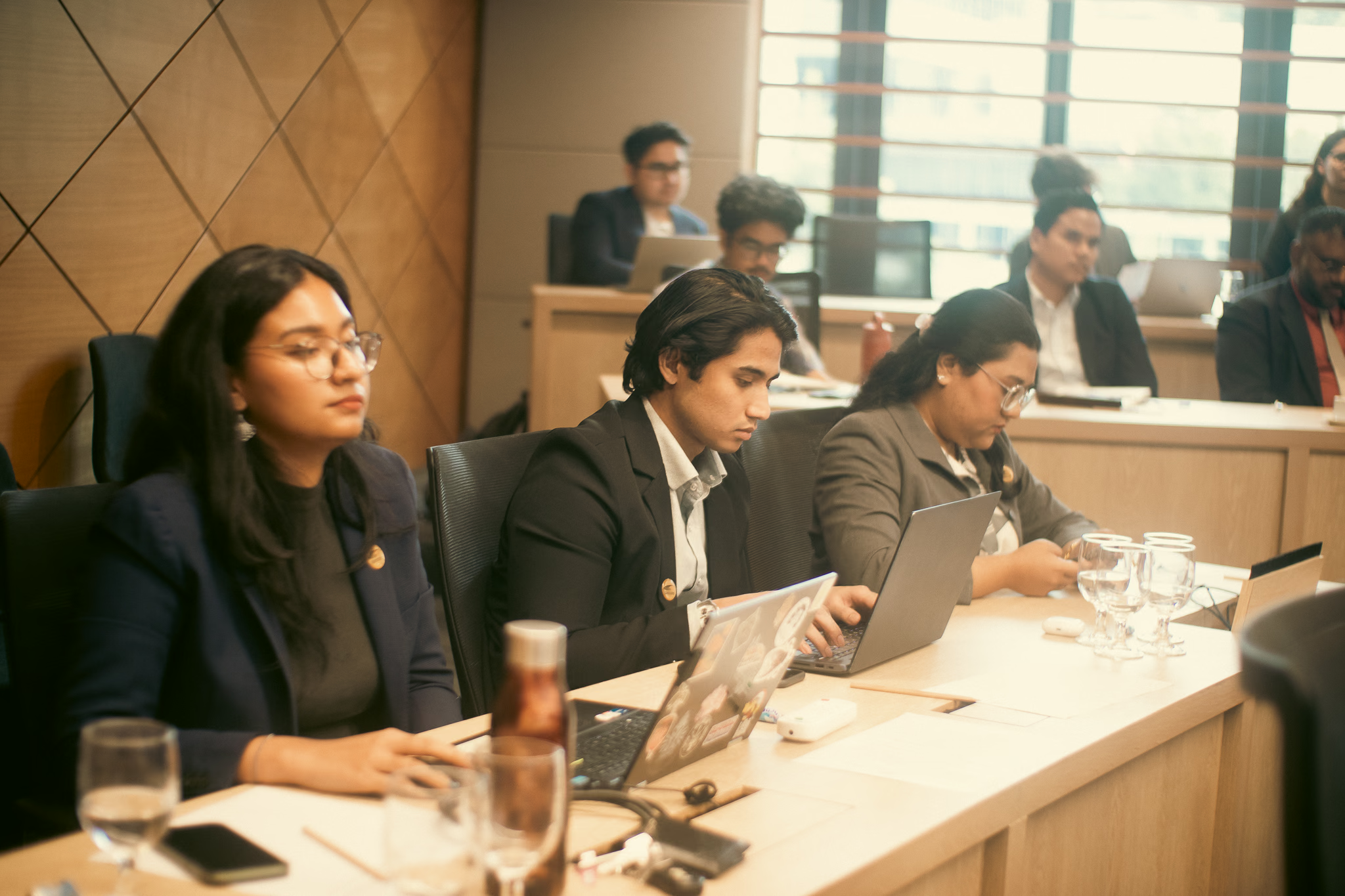
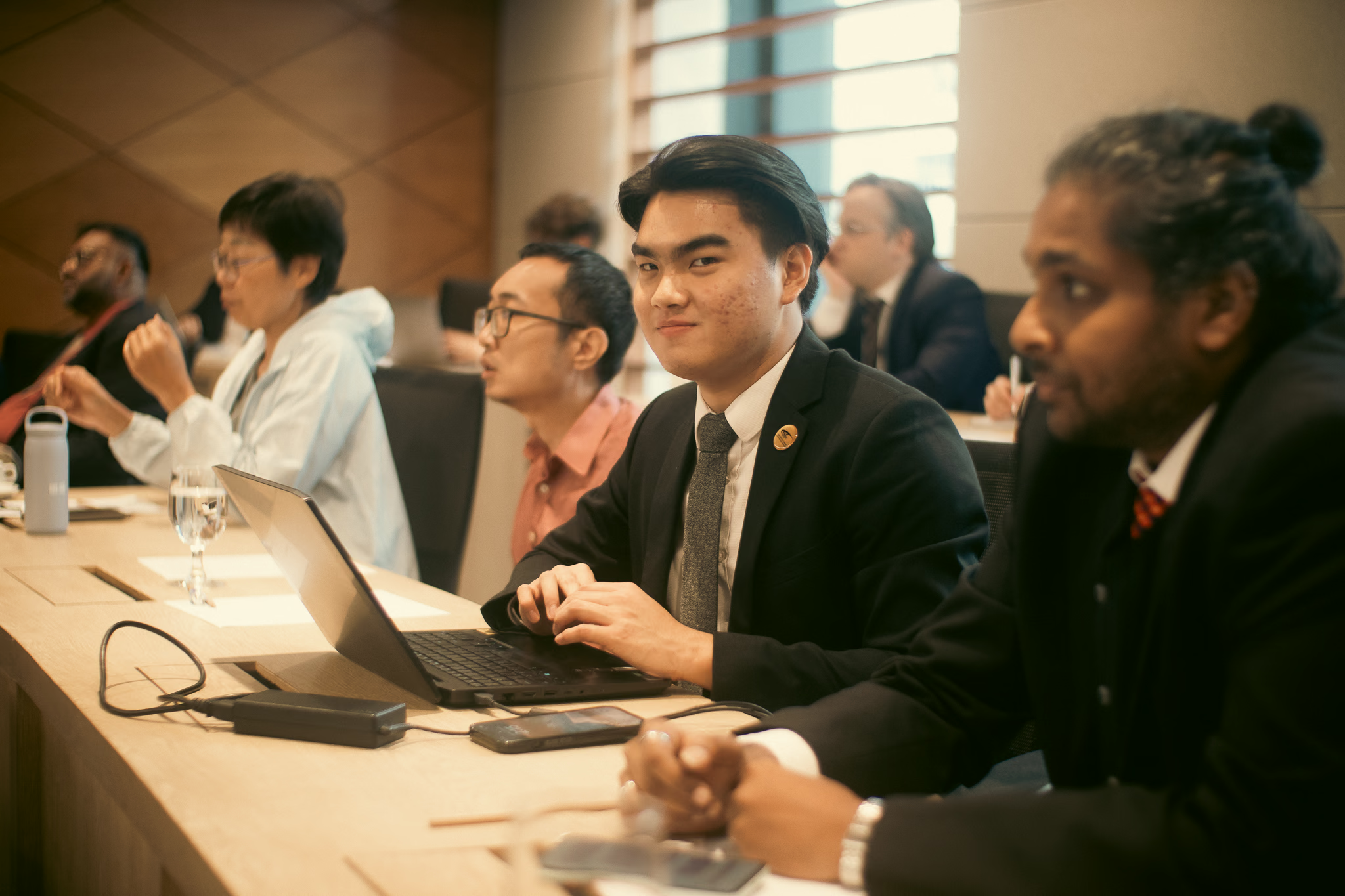
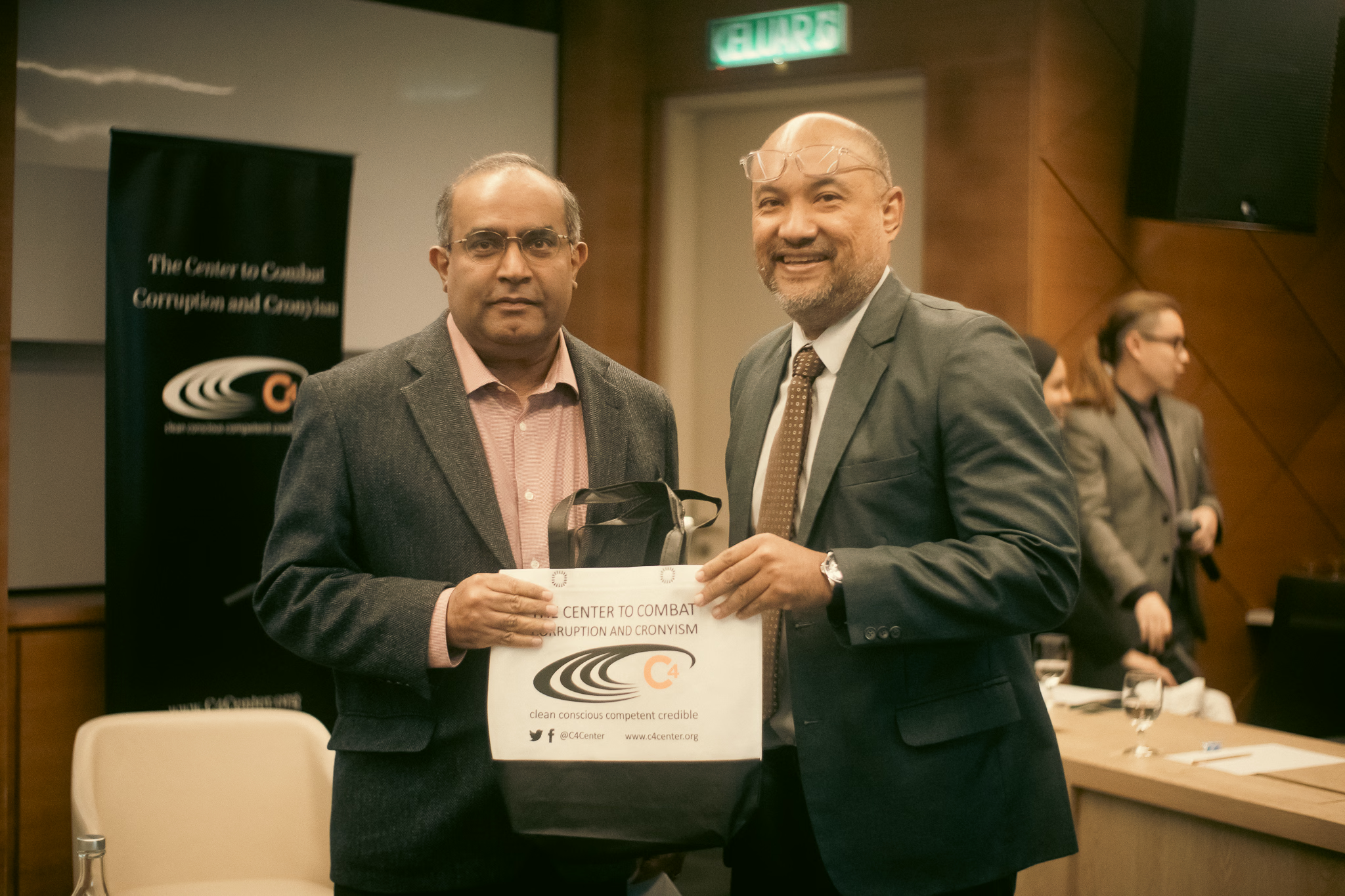
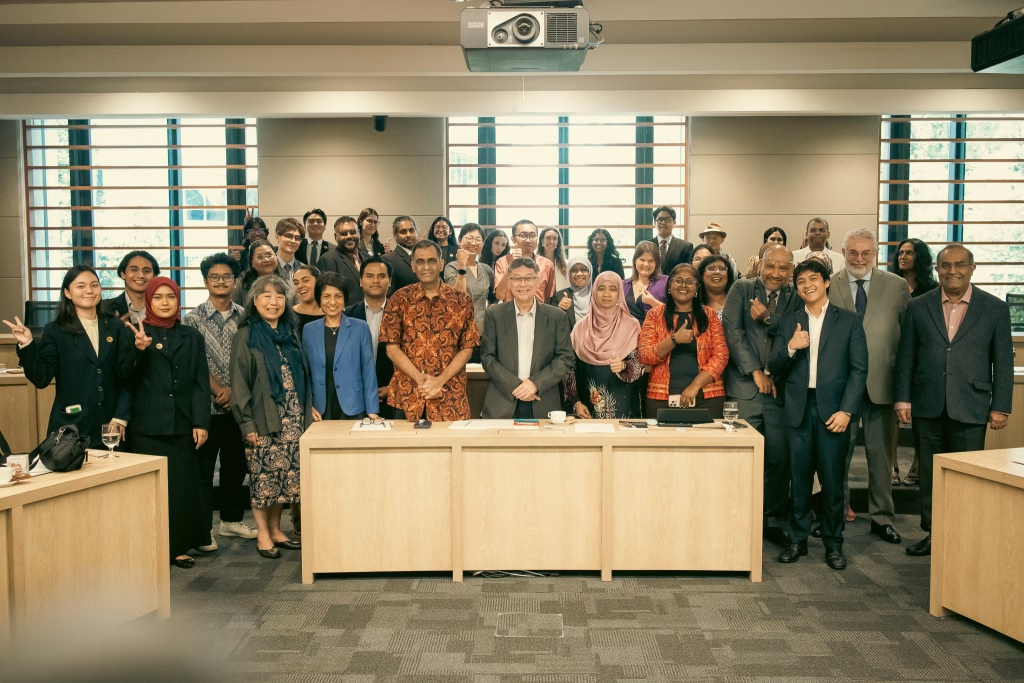
On 25 January 2025, C4 Center organised the “Promises versus Progress: Are the Government’s Anti-Corruption Pledges Enough?” forum, held at the Asia Institute of Chartered Bankers (AICB) Building, Kuala Lumpur. As part of the event, two reports were launched, namely, “Navigating Reform: Opportunities and Challenges in the National Anti-Corruption Strategy 2024-2028” and “Whistleblower Protection or Suppression? A Decade of Section 203A of the Penal Code”. Additionally, this event saw the bringing together of various experts representing civil society, academia, and the youth through a panel session and a wider forum.
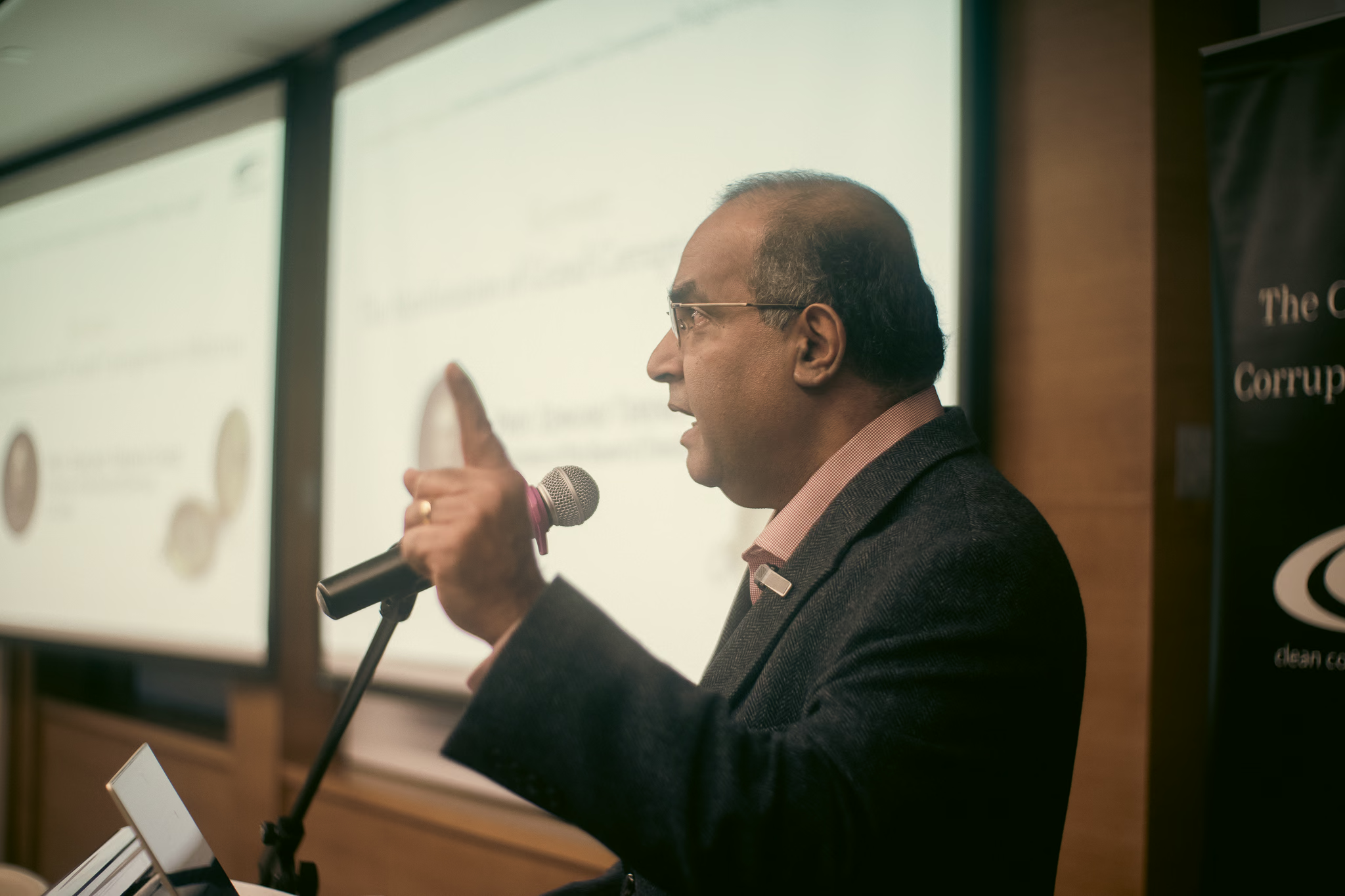
To cap off the event, C4 Center Chairman Professor Terence Edmund Gomez provided a keynote speech, “The Manifestation of Grand Corruption in Malaysia”. Professor Terence provided a historical background of grand corruption issues in Malaysia, contextualising how pertinent corruption issues developed in the country via different government policies. Furthermore, he examined the NACS in the context of this long history of grand corruption, questioning its effectiveness in addressing these issues.
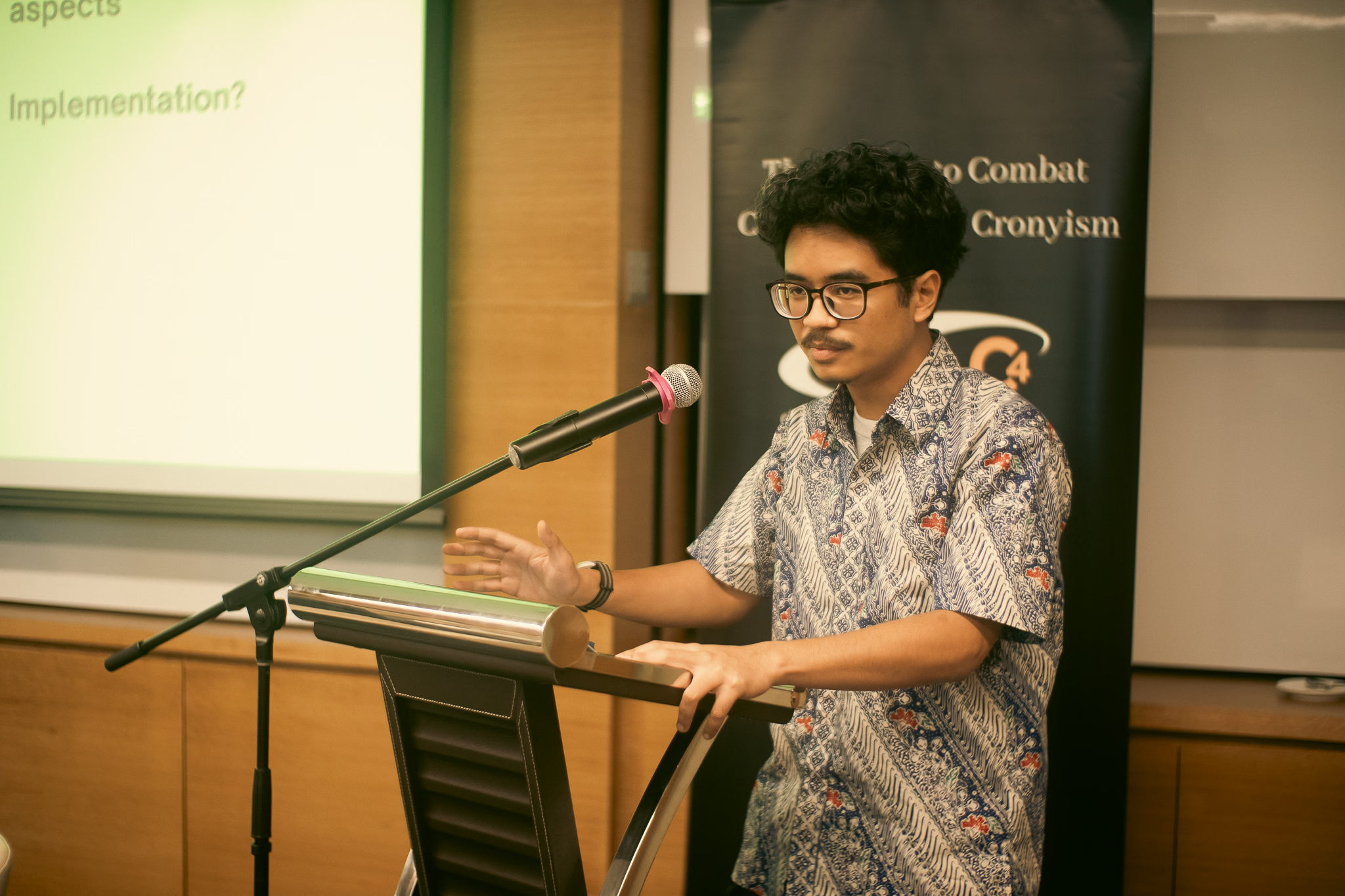
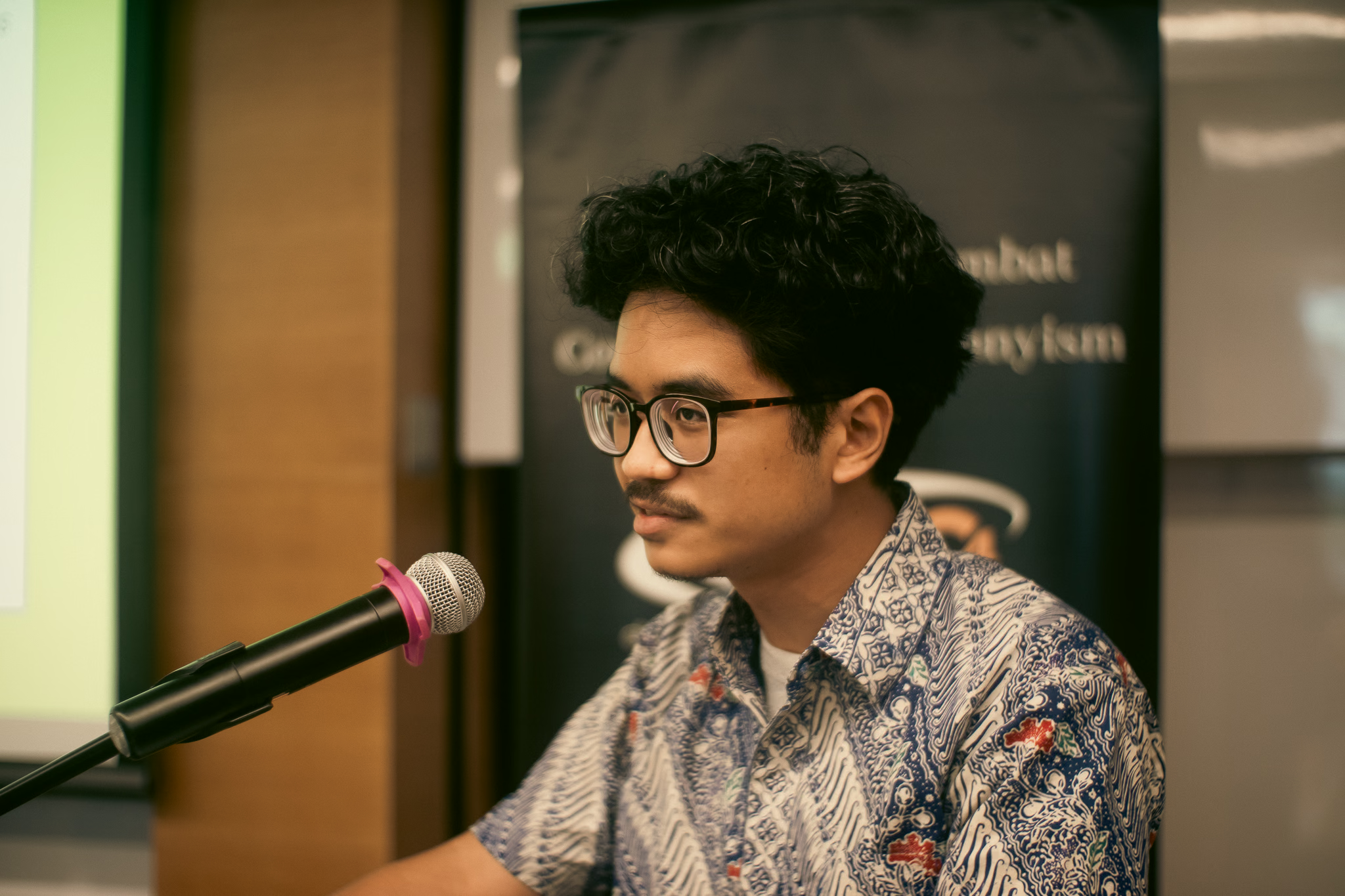
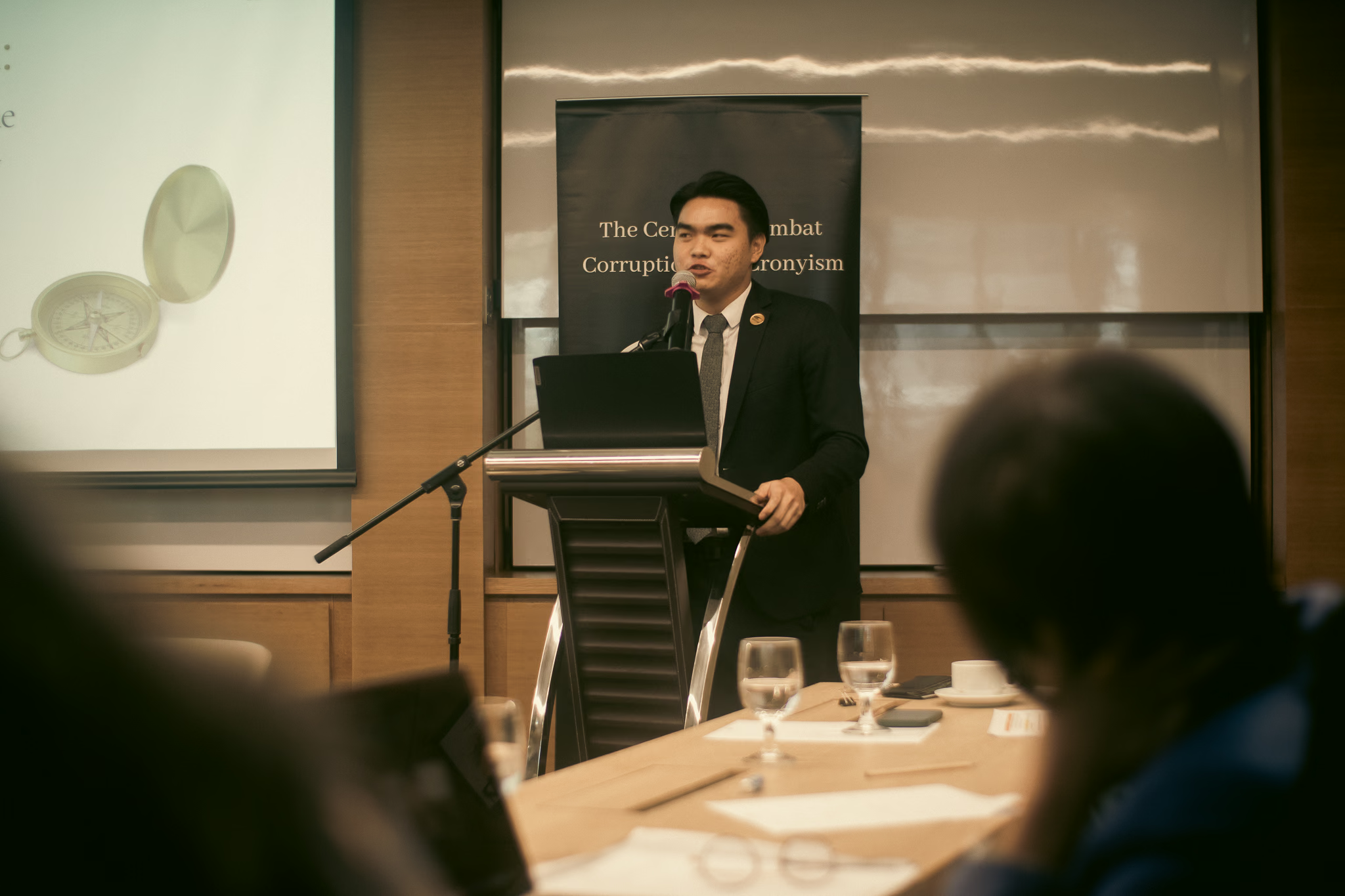
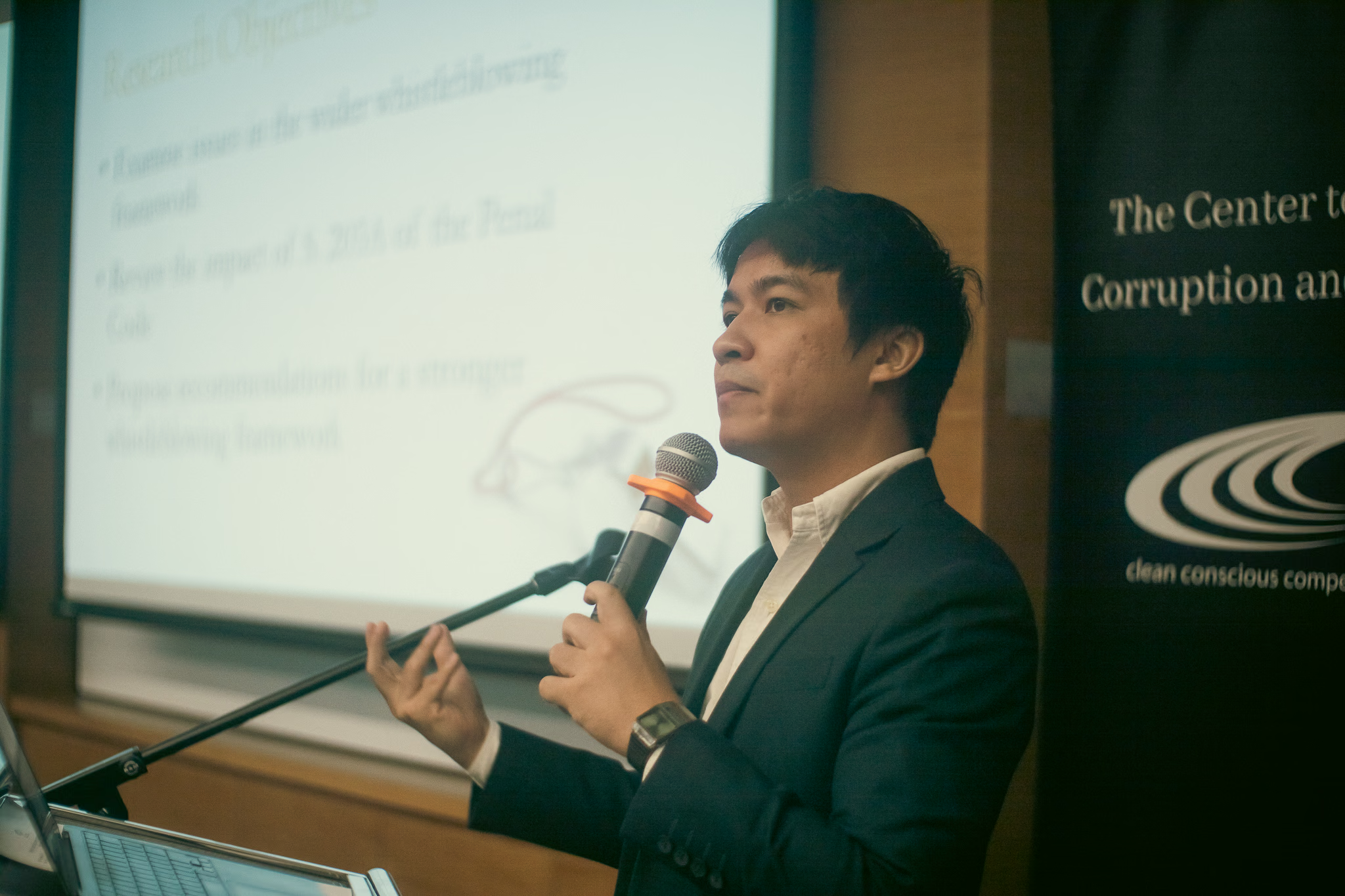
Following this was the launch of the first report, which sought to better understand the government’s plans for good governance and anti-corruption through the National Anti-Corruption Strategy 2024-2028 (NACS) – the government’s policy programme specifically targeted at bolstering anti-corruption measures. In attempting to communicate the substance of this report among members of civil society, the media, academia, and the diplomatic community, C4 Center Research and Communications Officer Benjamin Tiong presented the findings of the report during this event. Namely, the presentation touched on the inadequacies of the NACS, noting how strategies present in the NACS are a regression from the previous national strategy, the National Anti-Corruption Plan, 2019-2023 (NACP).
Besides this, he highlighted how the NACS excluded major reforms, lacks clarity in specific reform targets, its evaluation mechanism is insufficient, and how it has inadequate public engagement mechanism. Overall, he questioned the feasibility of the government’s plan to reach a top-25 ranking in Transparency International’s Corruption Perception Index (CPI) by 2033. As a final call to action, he urged the government to undertake the recommendations featured in the report, which included the need to include clearer substrategies, provide effective impact assessment for each substrategy, and conduct frequent engagement with the public on NACS implementation.
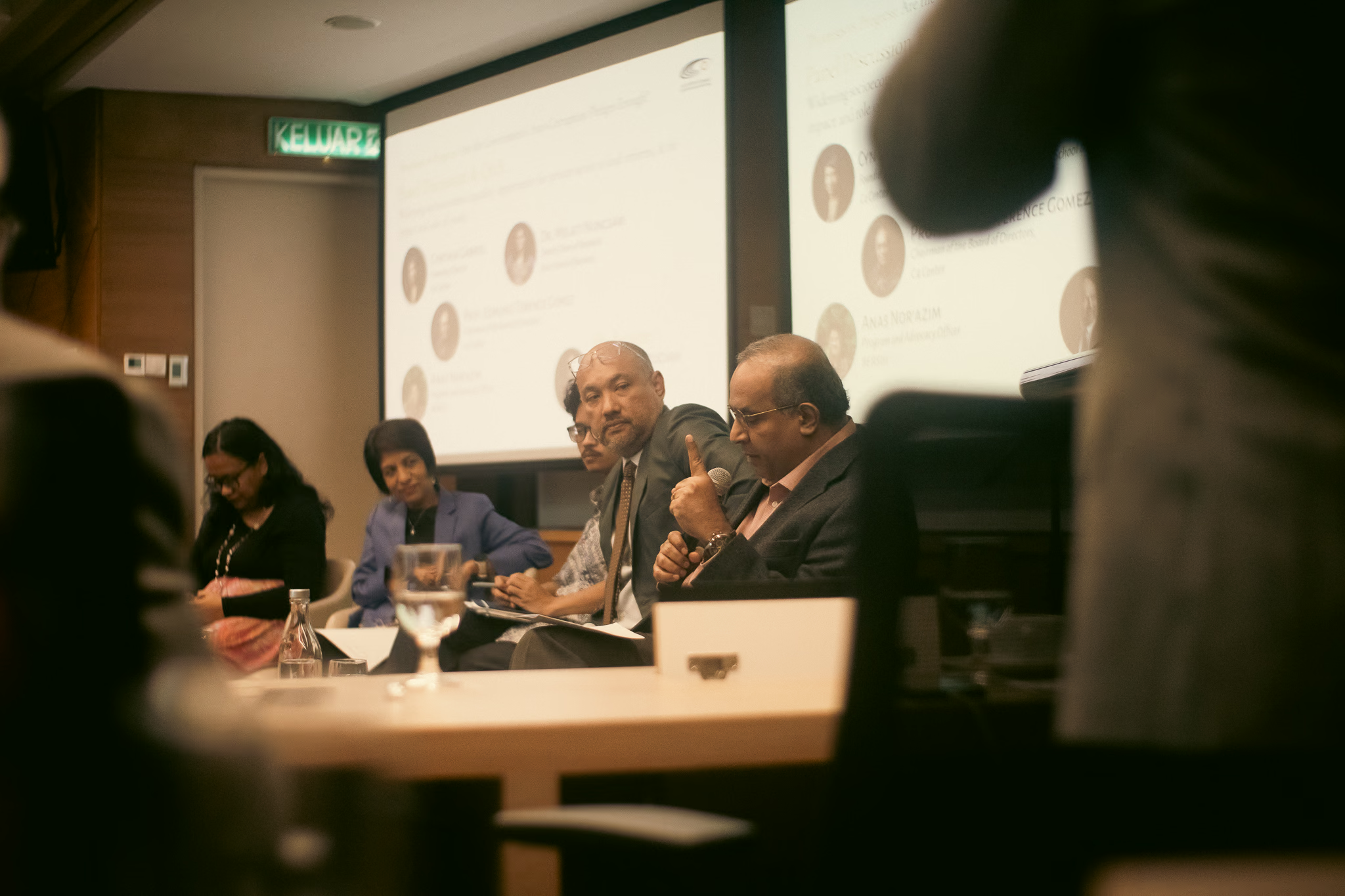
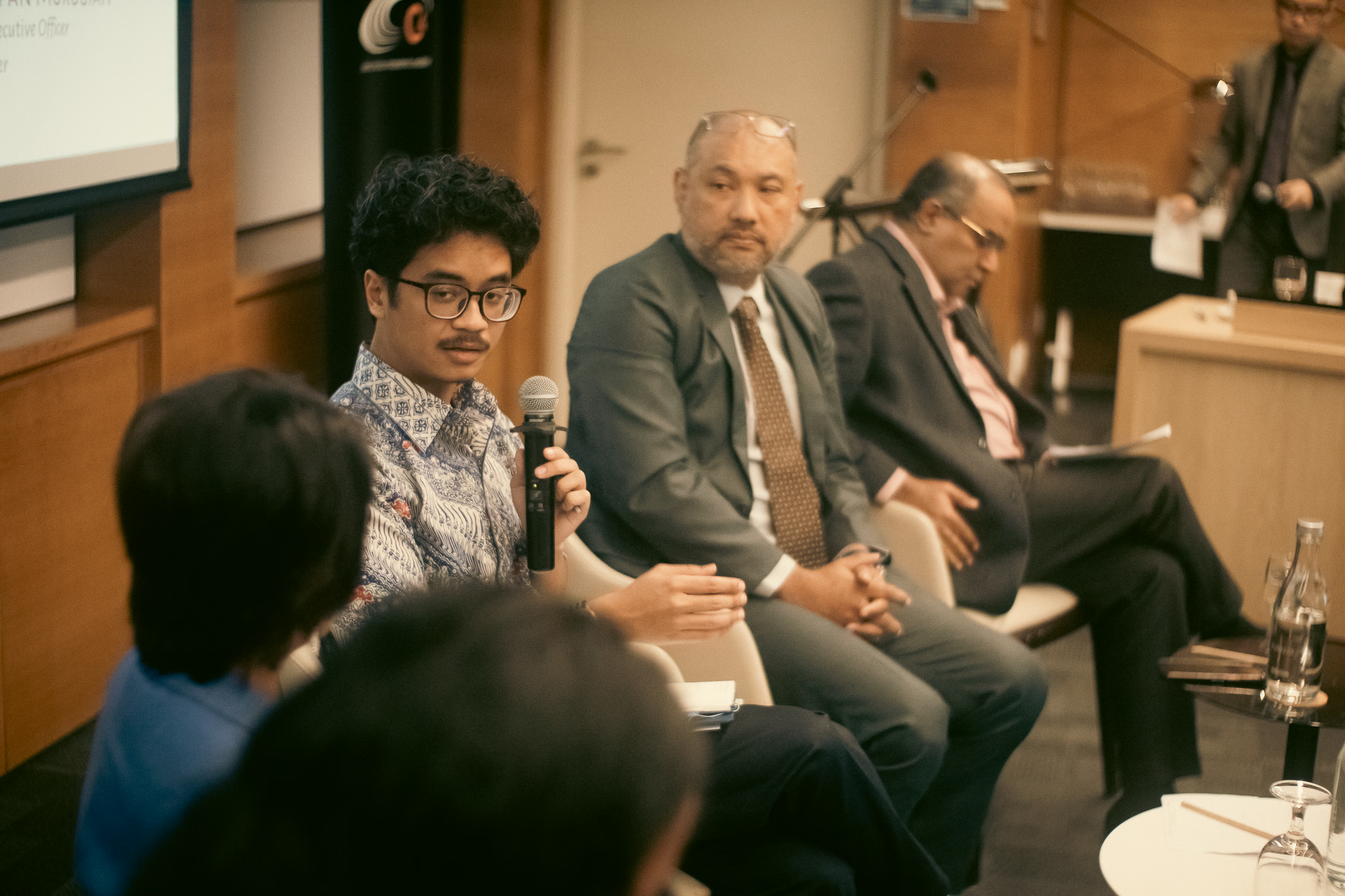
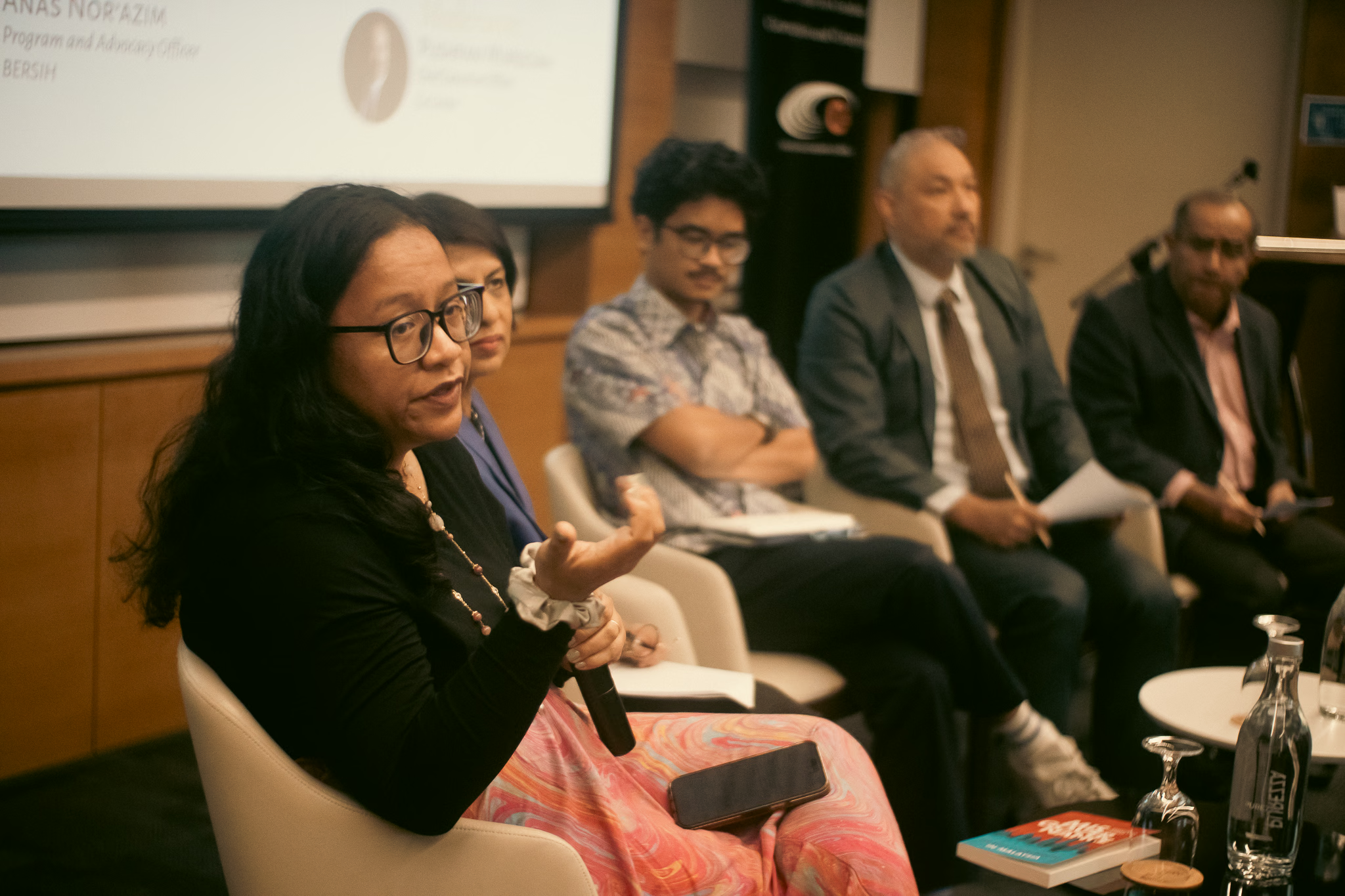
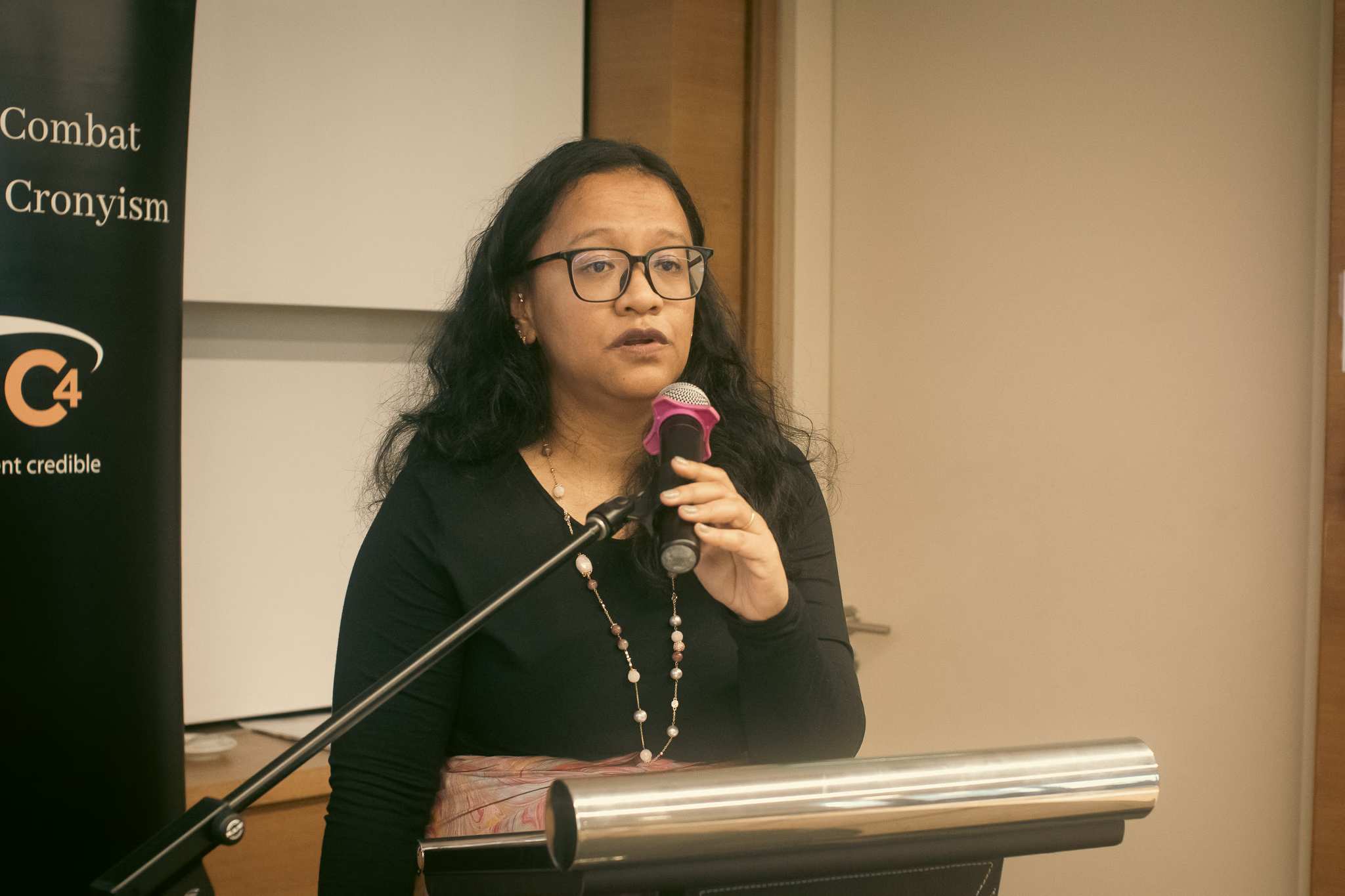
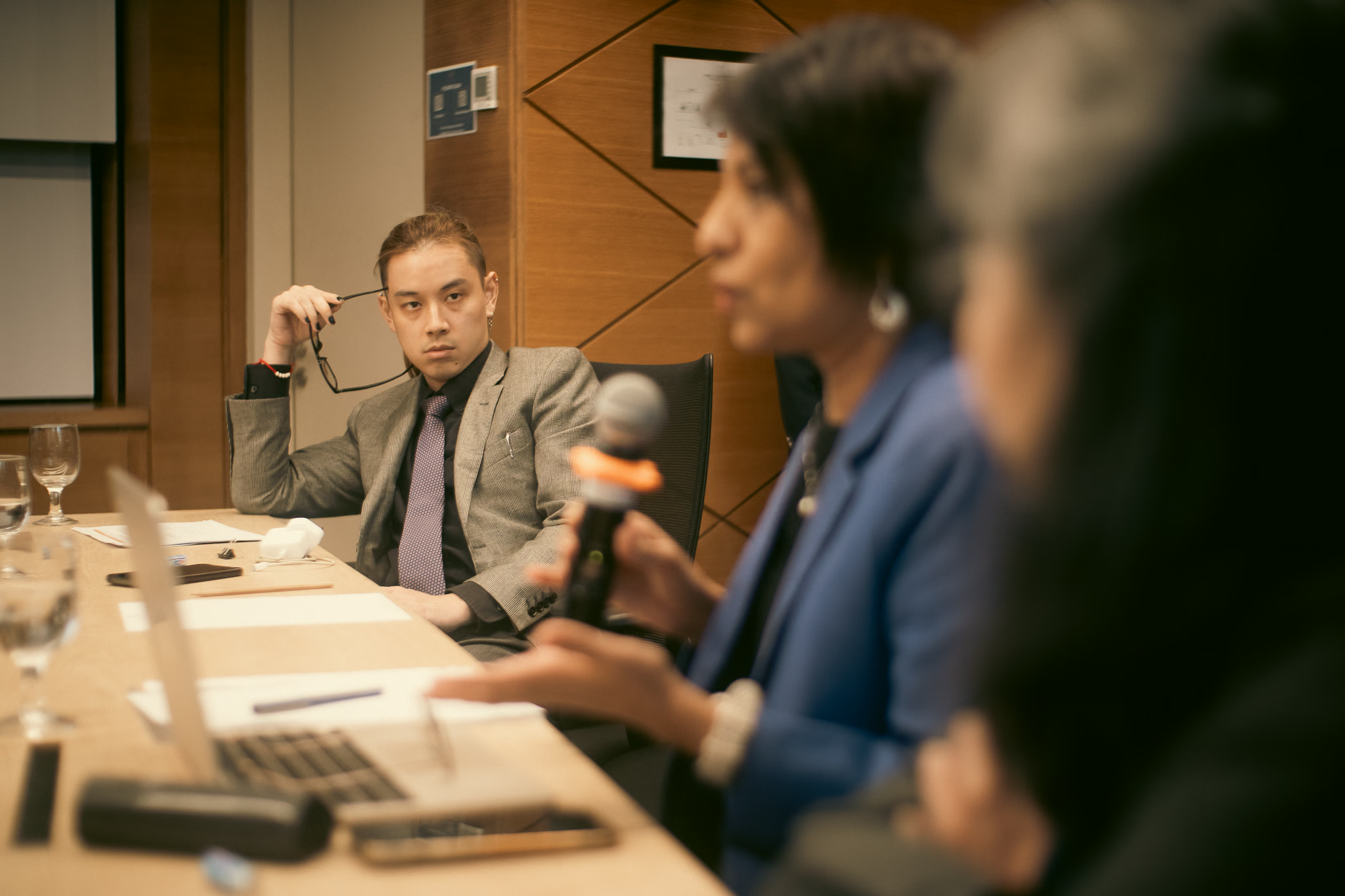
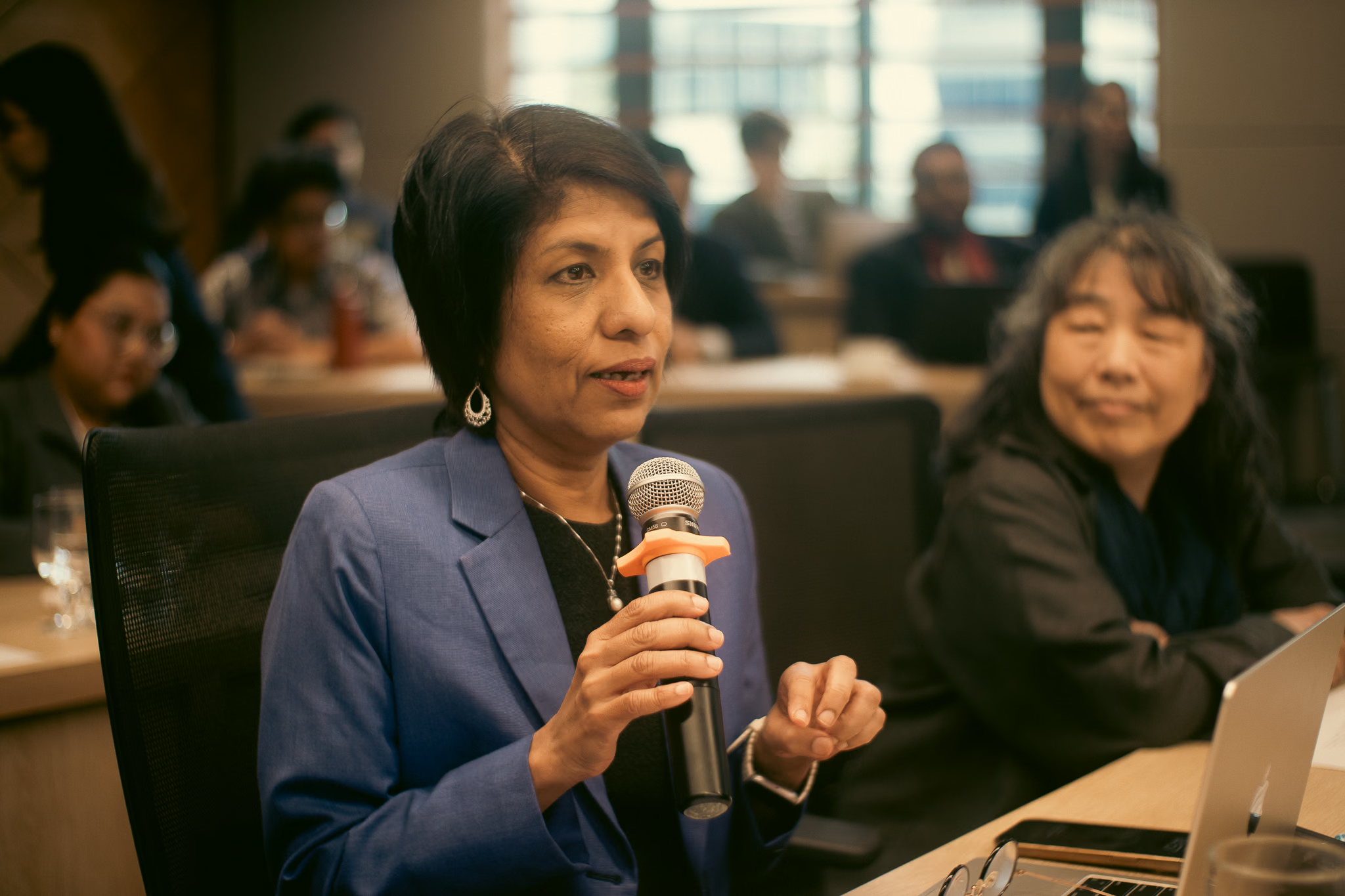
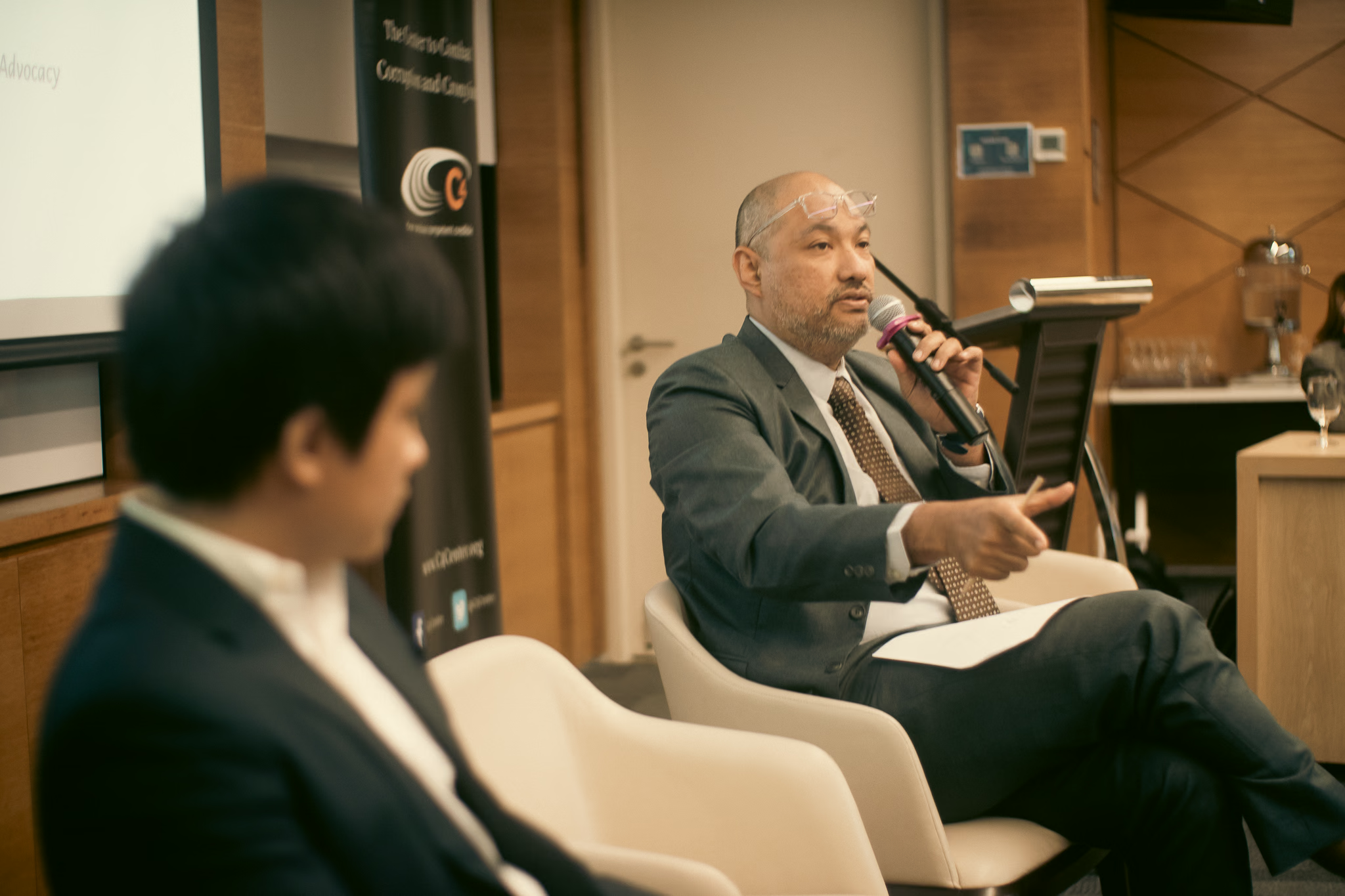
This presentation was followed by a panel session which touched on wider corruption issues that affect society from multiple levels. The panel session included the following speakers:
- Dr Melati Nungsari, Deputy Dean of Research, Asia School of Business – Corruption’s Role in Widening Socioeconomic Inequality
- Ms Cynthia Gabriel, Founding Director, C4 Center – Opportunities for the Private Sector to Steer Anti-Corruption Reforms
- Mr Anas Nor’azim, Advocacy Officer, BERSIH – Corruption’s Impacts on the Malaysian Youth and the Role they can Play.
The panellist emphasised how corruption has tangible impacts Malaysia not merely from a reputational standpoint, but also how it has critical material impacts on the socioeconomic conditions of Malaysians in general. This discussion aimed to take discourse away from the typical discussion of corruption by highlighting the actual effects of corruption on average citizens.
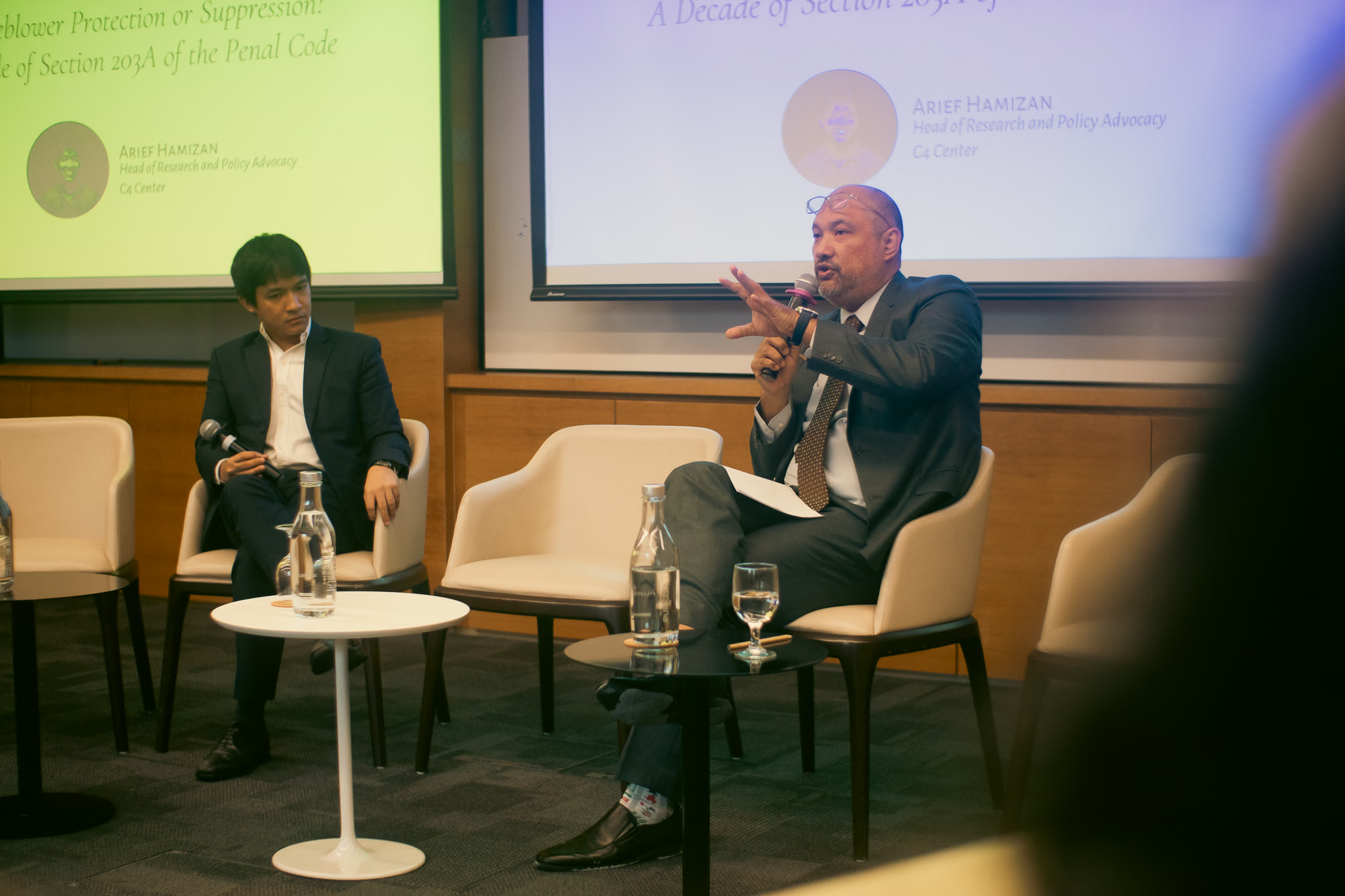
Following from this session, C4 Center Head of Research and Policy Advocacy Arief Hamizan was on hand to present the next report. This report sought to highlight how legal and practical barriers for whistleblowers have been created by Section 203A of the Penal Code (s.203A) — which has instilled a culture of fear and secrecy amongst would-be whistleblowers, generally impinging the ability to unearth corrupt activities. His presentation displayed the various case studies and comparative analysis present in the report, highlighting the urgent need for reform to ensure that whistleblowers can safely expose corruption without fear of legal or personal repercussions. Among the recommendations were the repeal of s.203A, widening the scope of the Whistleblower Protection Act 2010 to empower its protection of whistleblowers, enacting a Right to Information Act, and amending the Official Secrets Act 1972 to better harmonise it with the right to information.
C4 Center hopes that the launch of both these reports will provide useful guidance for Malaysian lawmakers and the Malaysian government in bolstering the NACS, and in improving conditions for whistleblowers to disclose corrupt acts in government. C4 Center also stressed that there is a need to continue engagement with the public, including civil society and academia, to better enhance anti-corruption efforts in the country.