Held in Kuala Lumpur on the 5th of March 2026
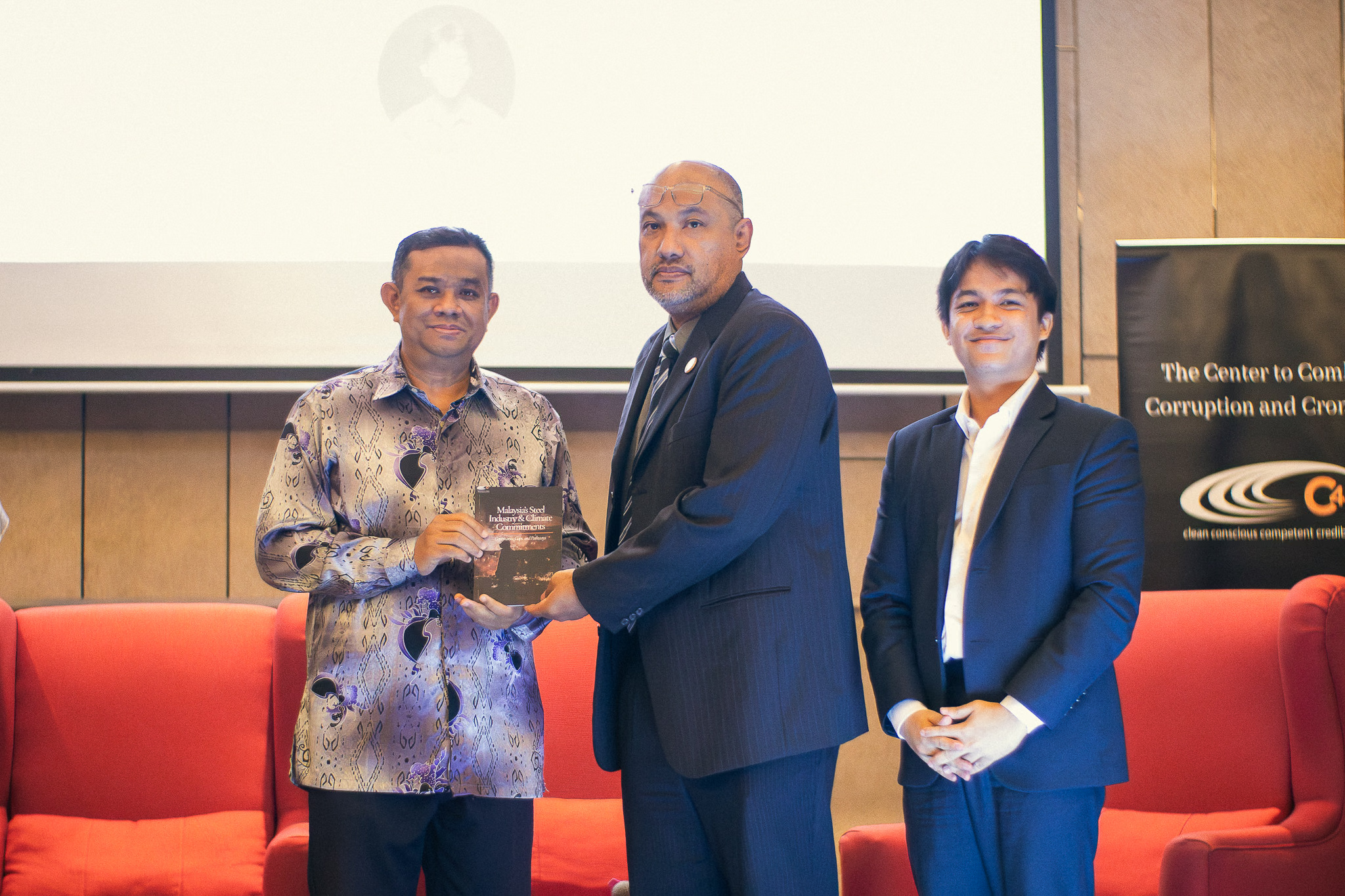
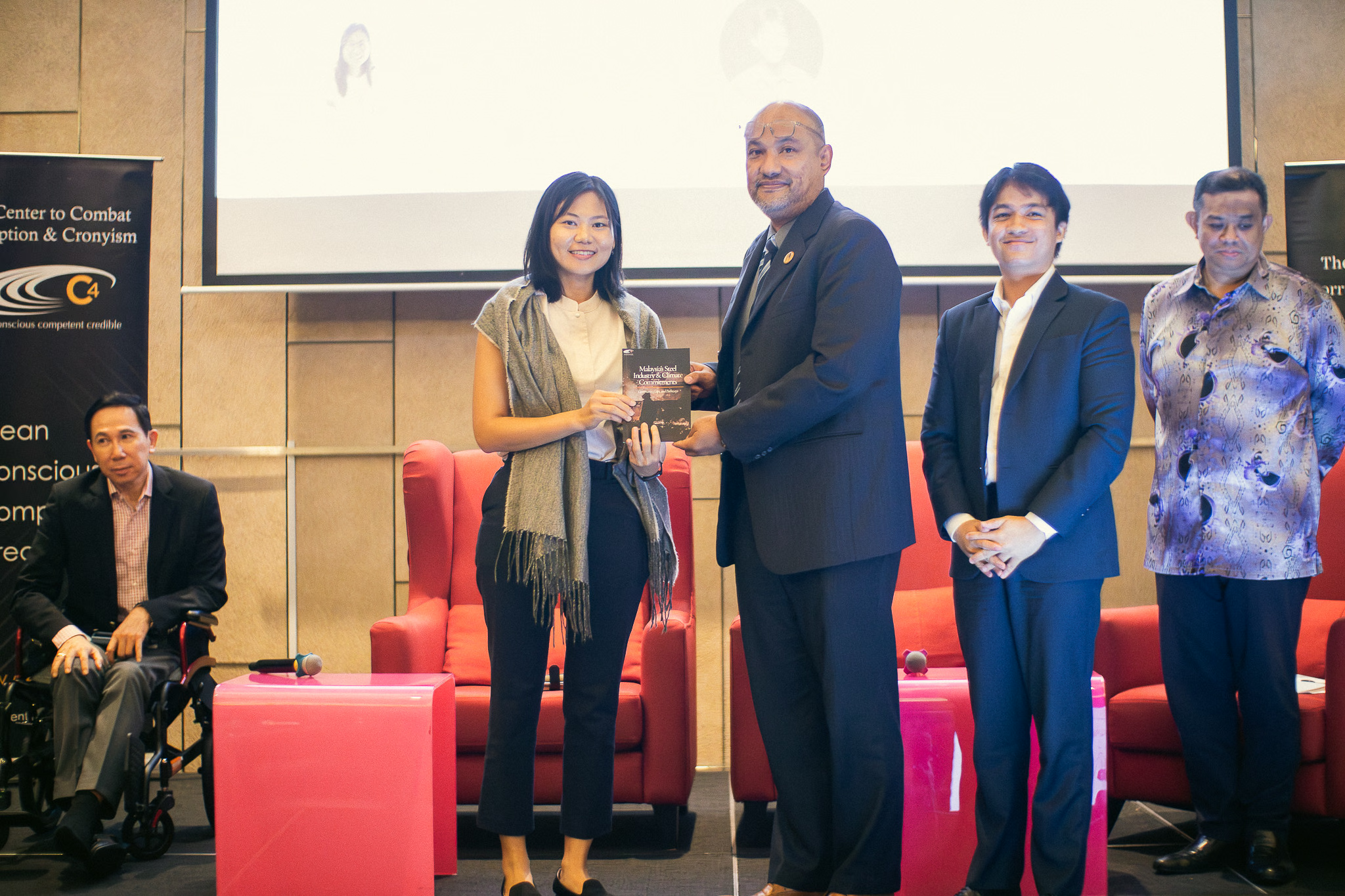
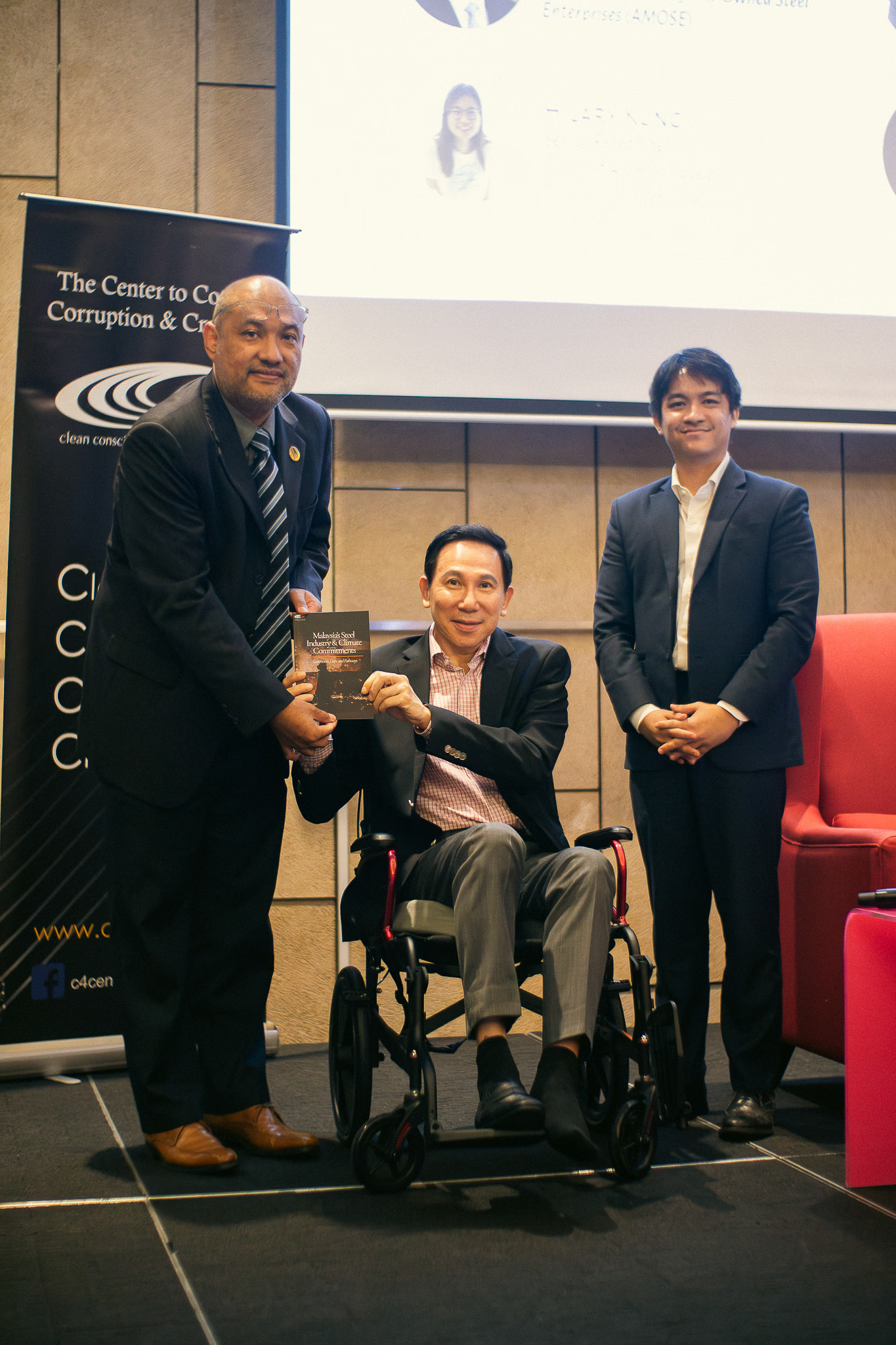
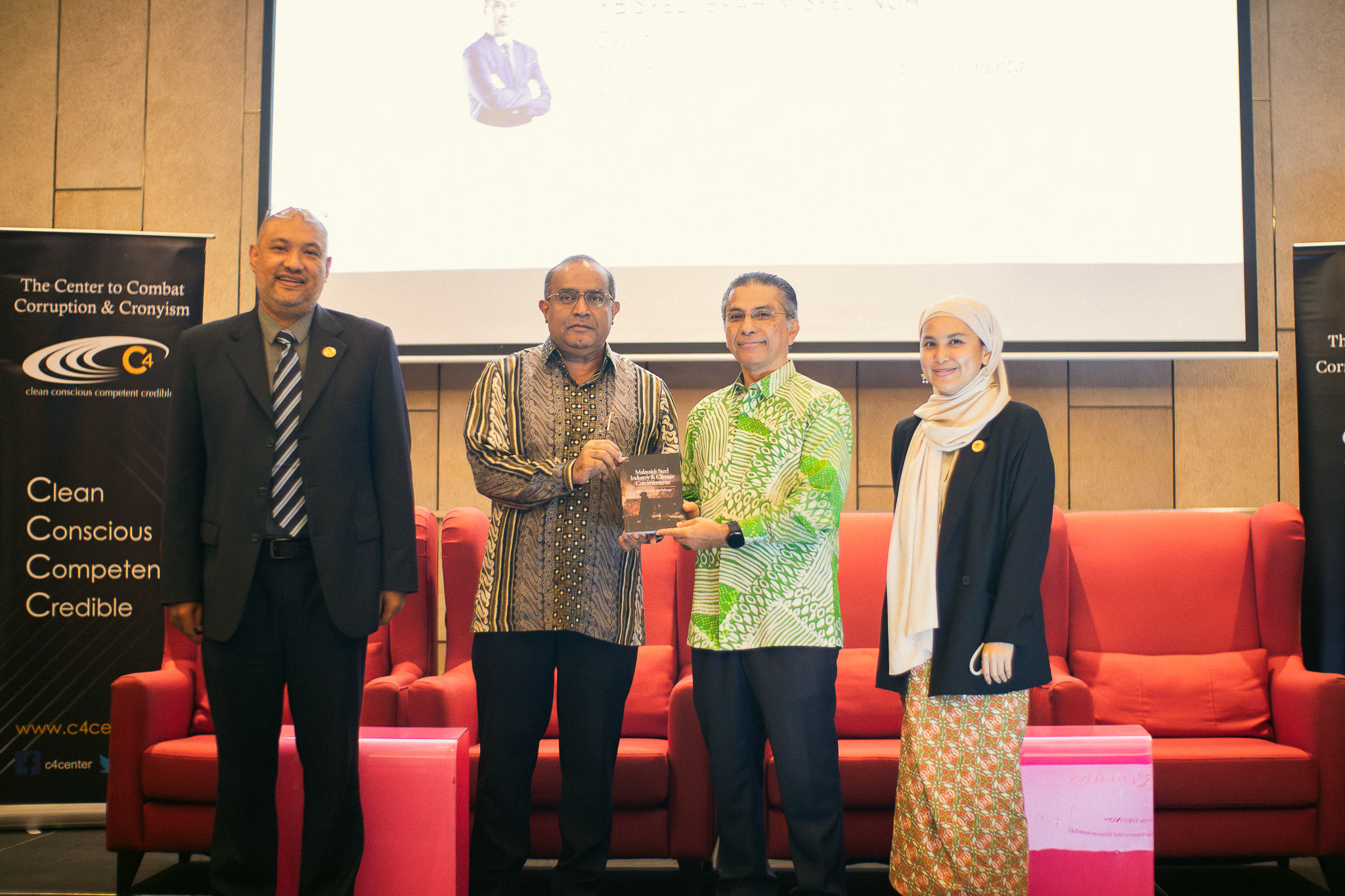
On 5 March, C4 Center launched a report titled, “Malaysia’s Steel Industry & Climate Commitments: Governance, Gaps, and Pathways”, which highlighted the need for Malaysia to address the loopholes in the governance of the iron and steel industry, as the hard-to-abate sector has a high risk of hindering Malaysia in achieving its Nationally Determined Contribution (NDC) targets, eventually contributing to the climate crisis if business-as-usual continues. The report examines governance, regulatory, and policy gaps surrounding GHG emissions in Malaysia’s steel industry, including concerns related to foreign ownership and influence. It highlights weaknesses in emissions data disclosure, enforcement mechanisms, and corporate accountability, while also reviewing existing government initiatives and identifying opportunities to integrate stronger climate governance practices into the industry.
The launch comes at a critical moment for Malaysia’s climate agenda. At COP30 in Belém, Malaysia committed to an updated NDC 3.0 to an unconditional reduction of up to 20 million tonnes of carbon dioxide equivalent (CO2), alongside an additional conditional reduction of 10 million tonnes CO2. Achieving these targets, however, remains a significant challenge due to the high emissions from hard-to-abate sectors, particularly the steel industry. As one of the country’s key industrial sectors, Malaysia’s steel industry contributes more than RM28 billion to the national GDP and supports over 280,000 jobs. At the same time, it remains highly carbon-intensive and is among the largest contributors to greenhouse gas (GHG) emissions within the manufacturing and construction sector.
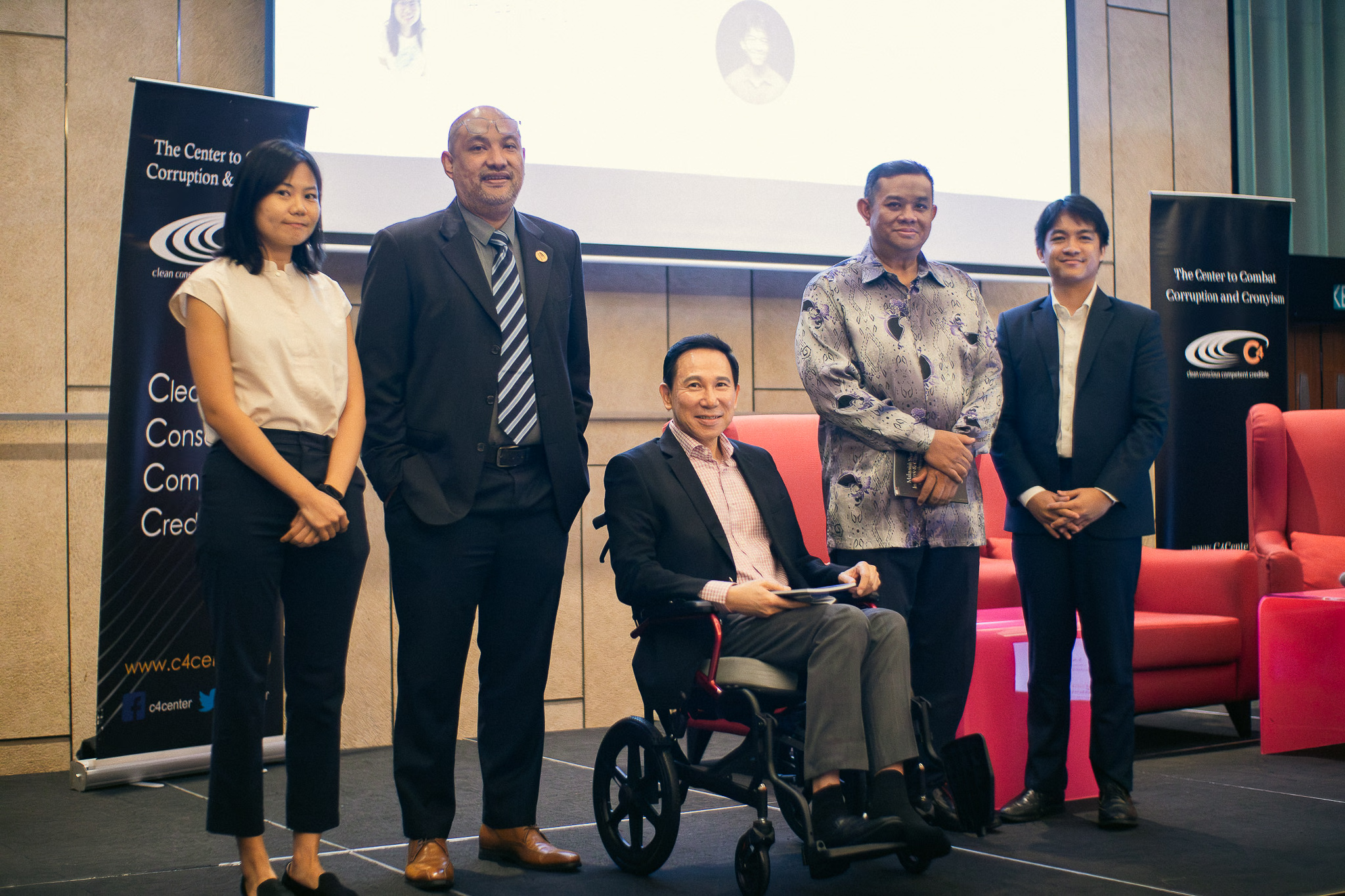
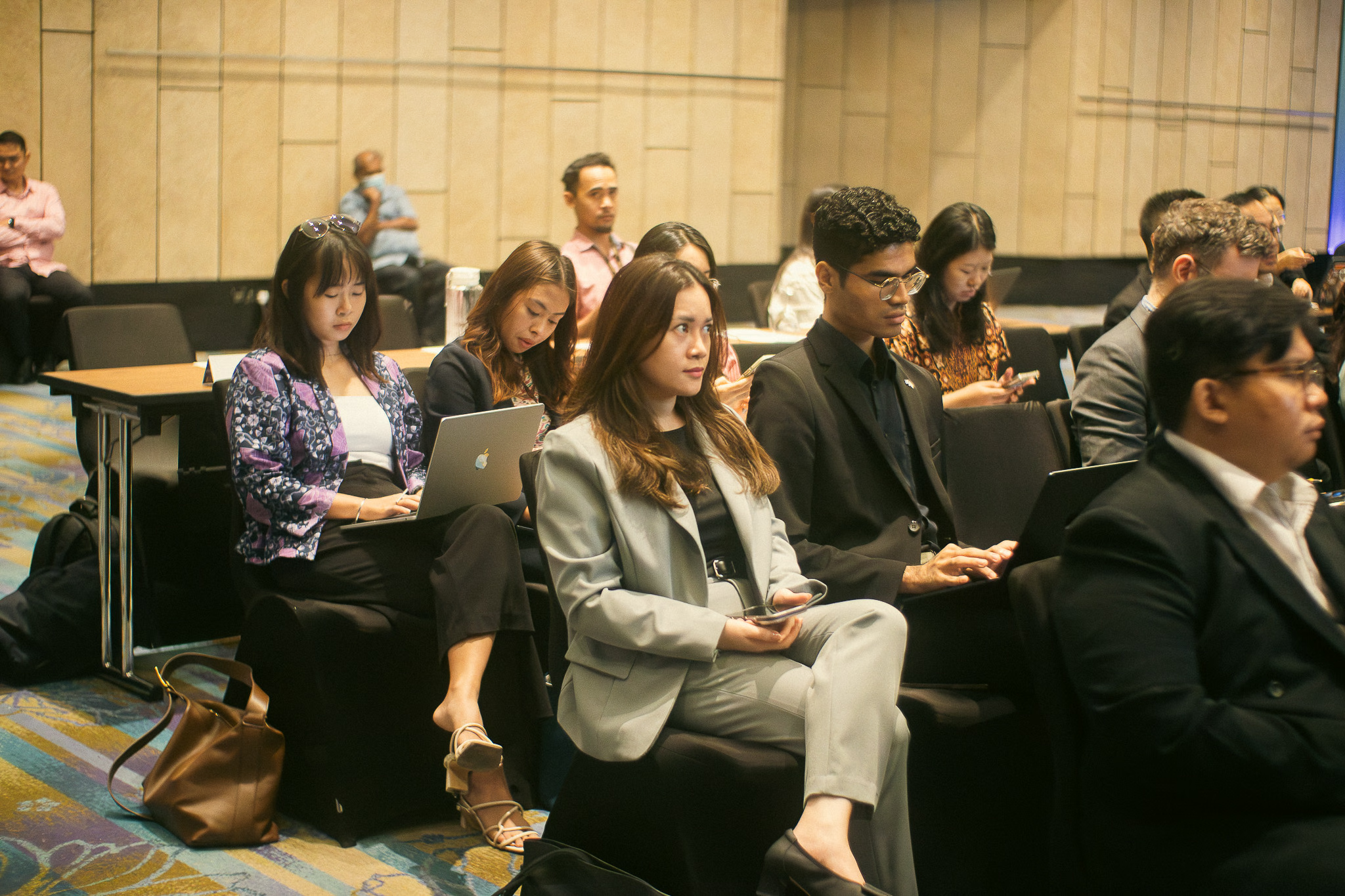
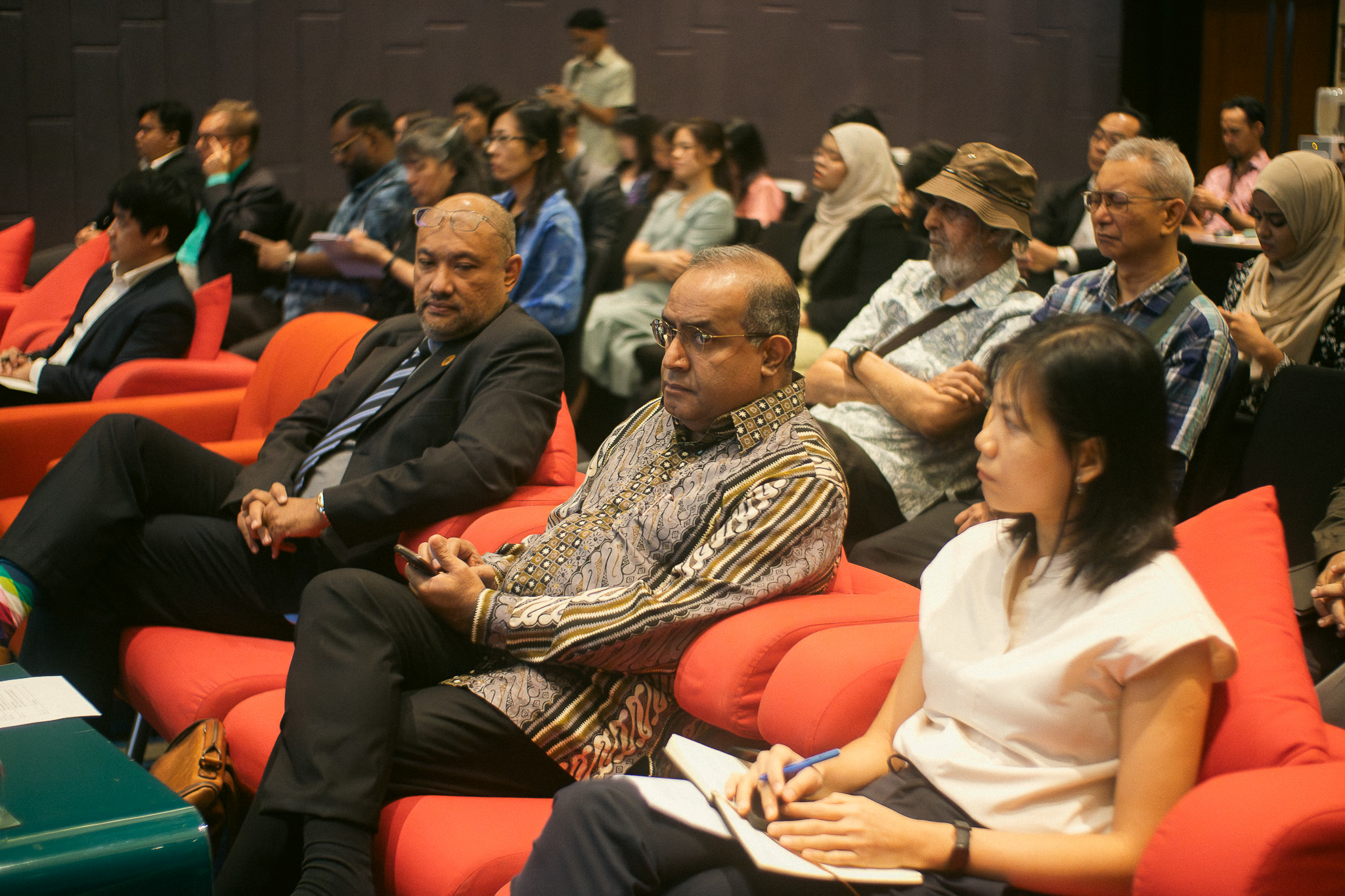
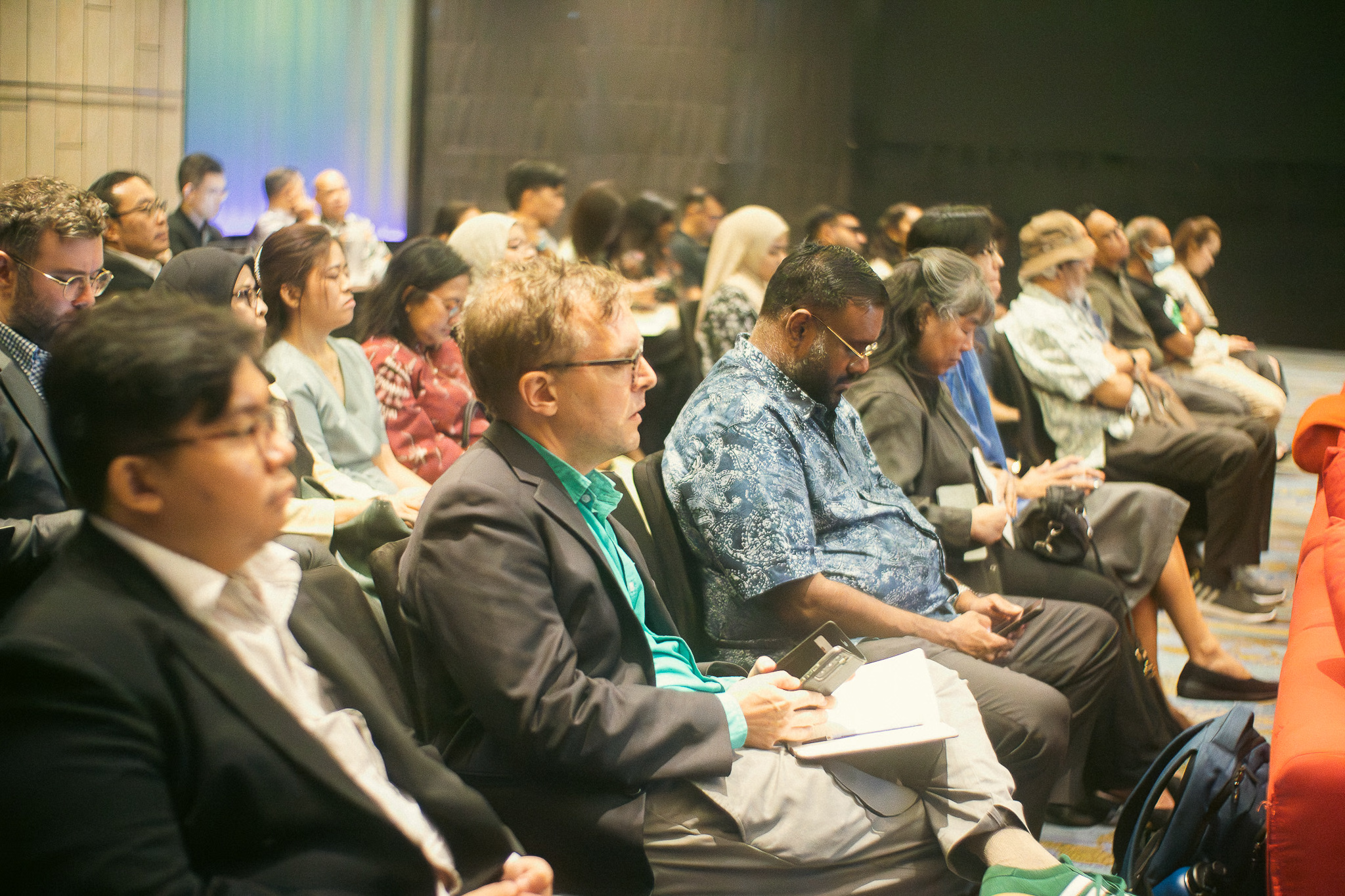
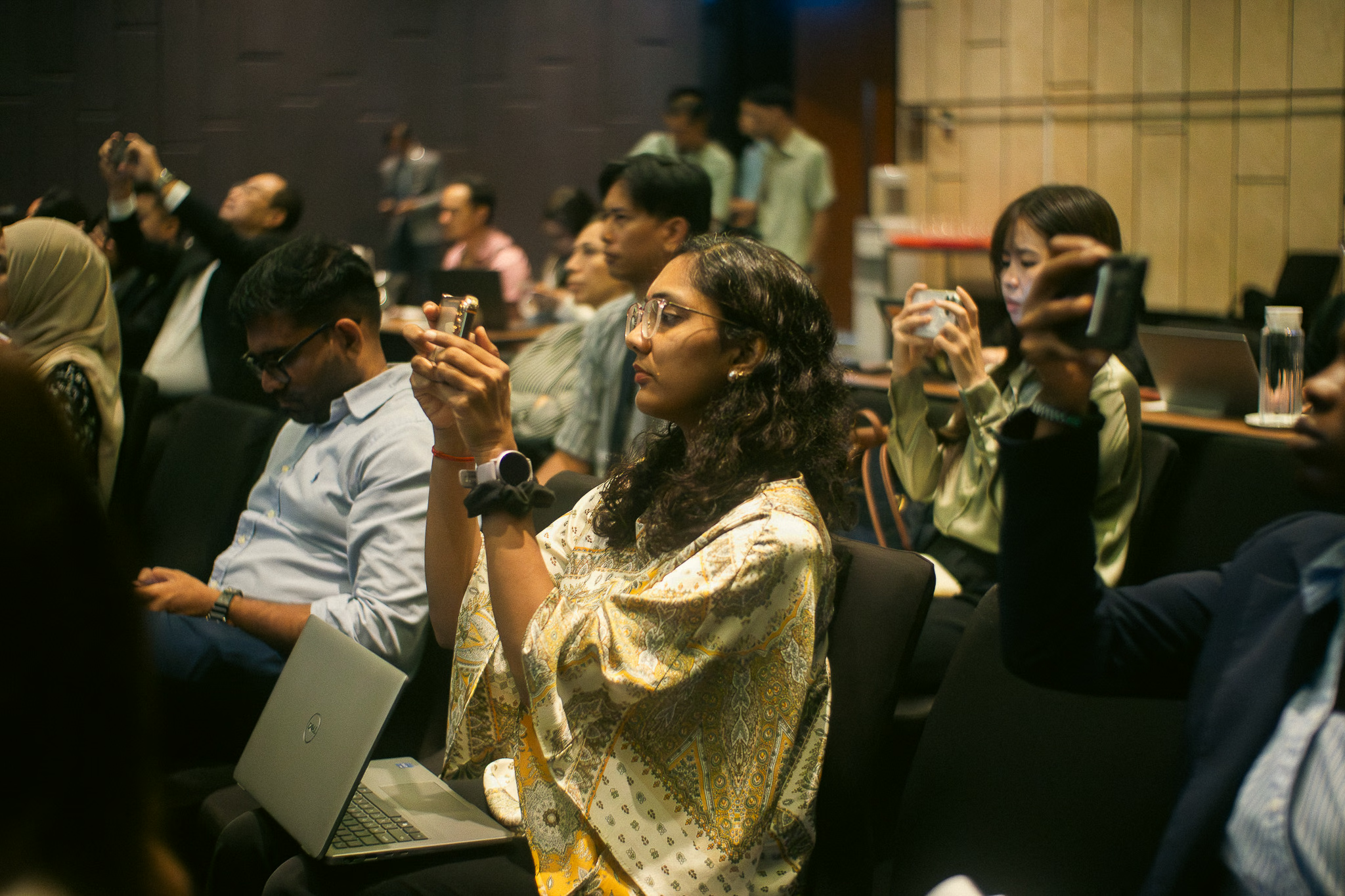
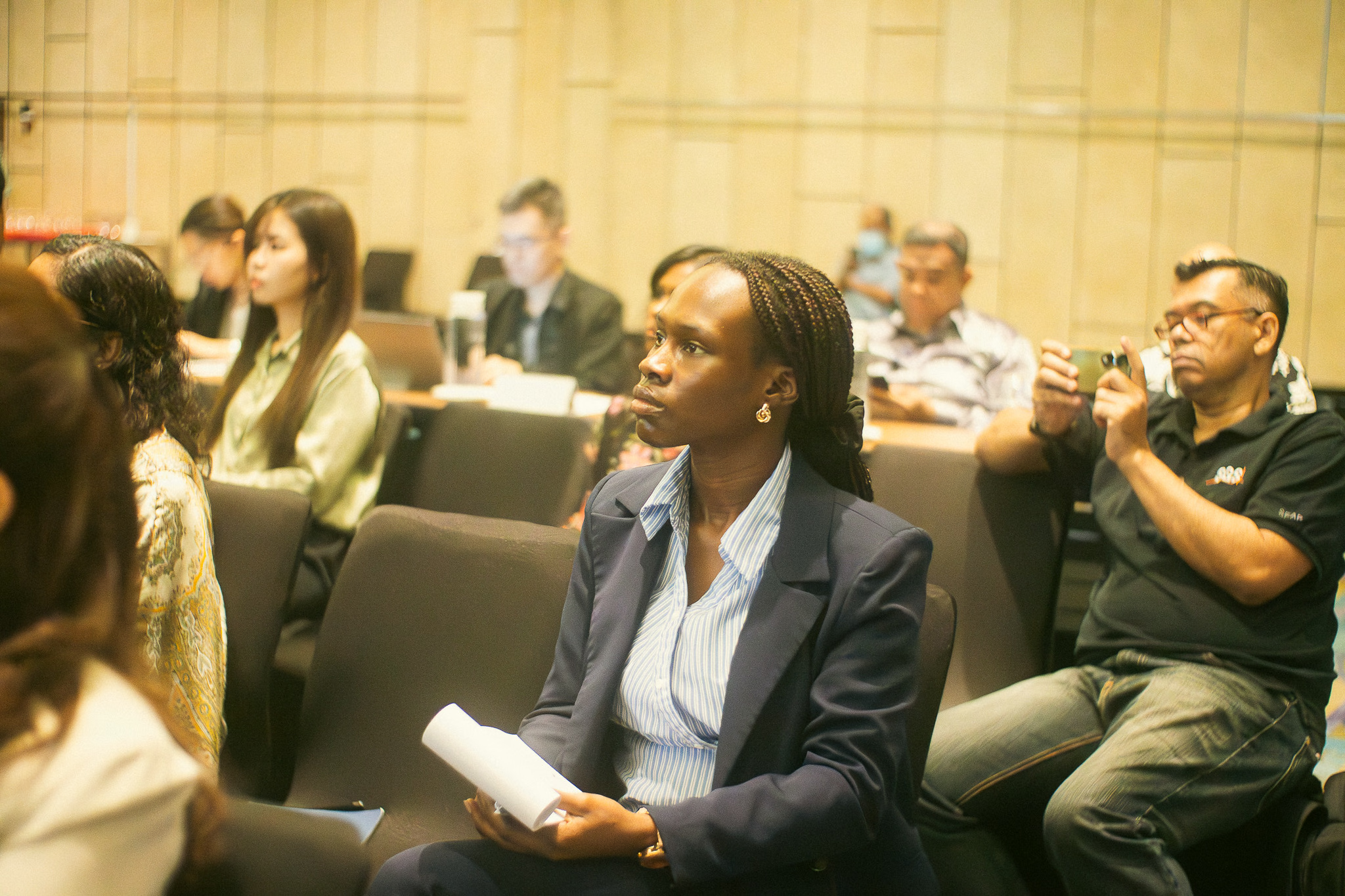
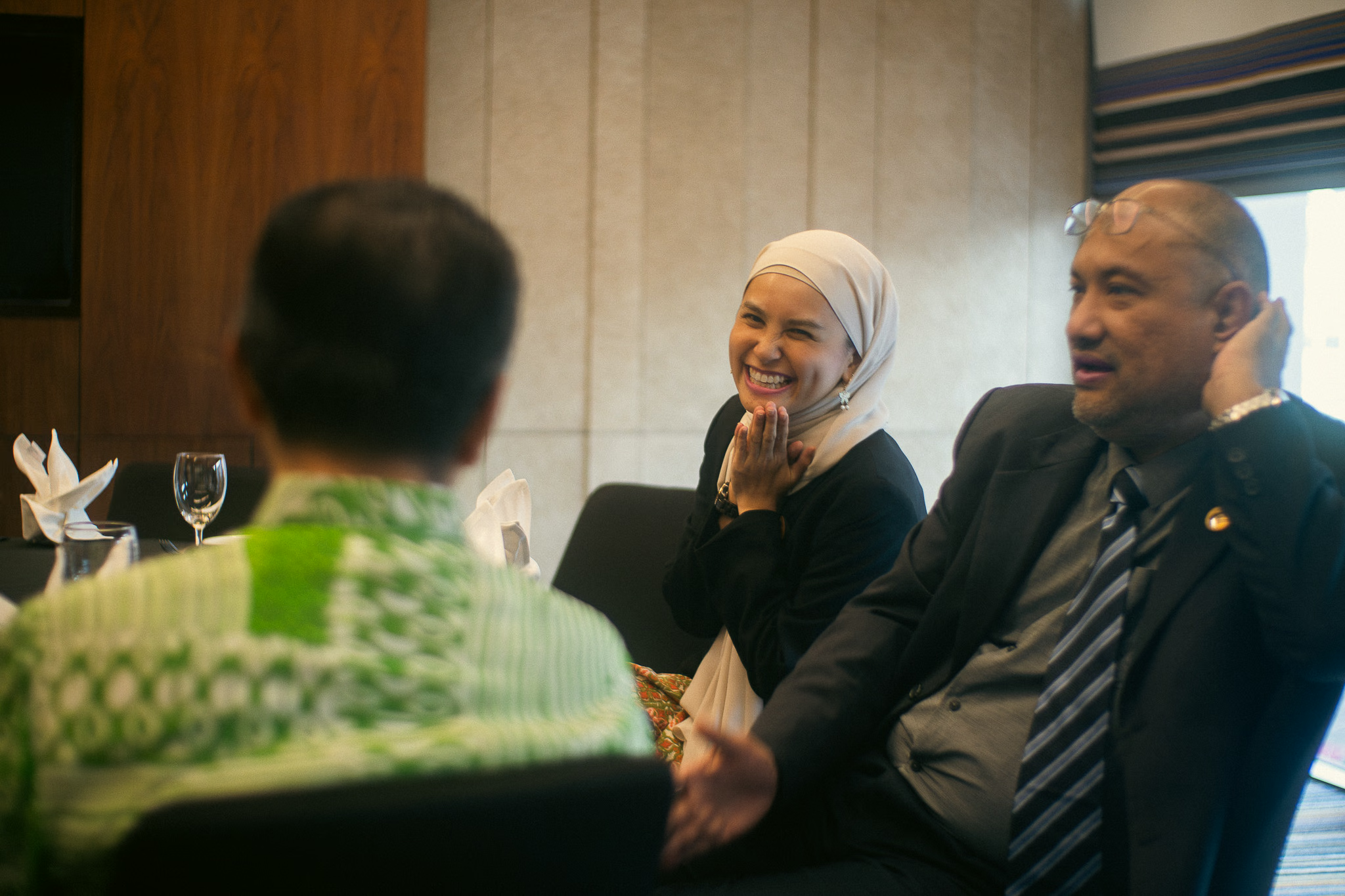
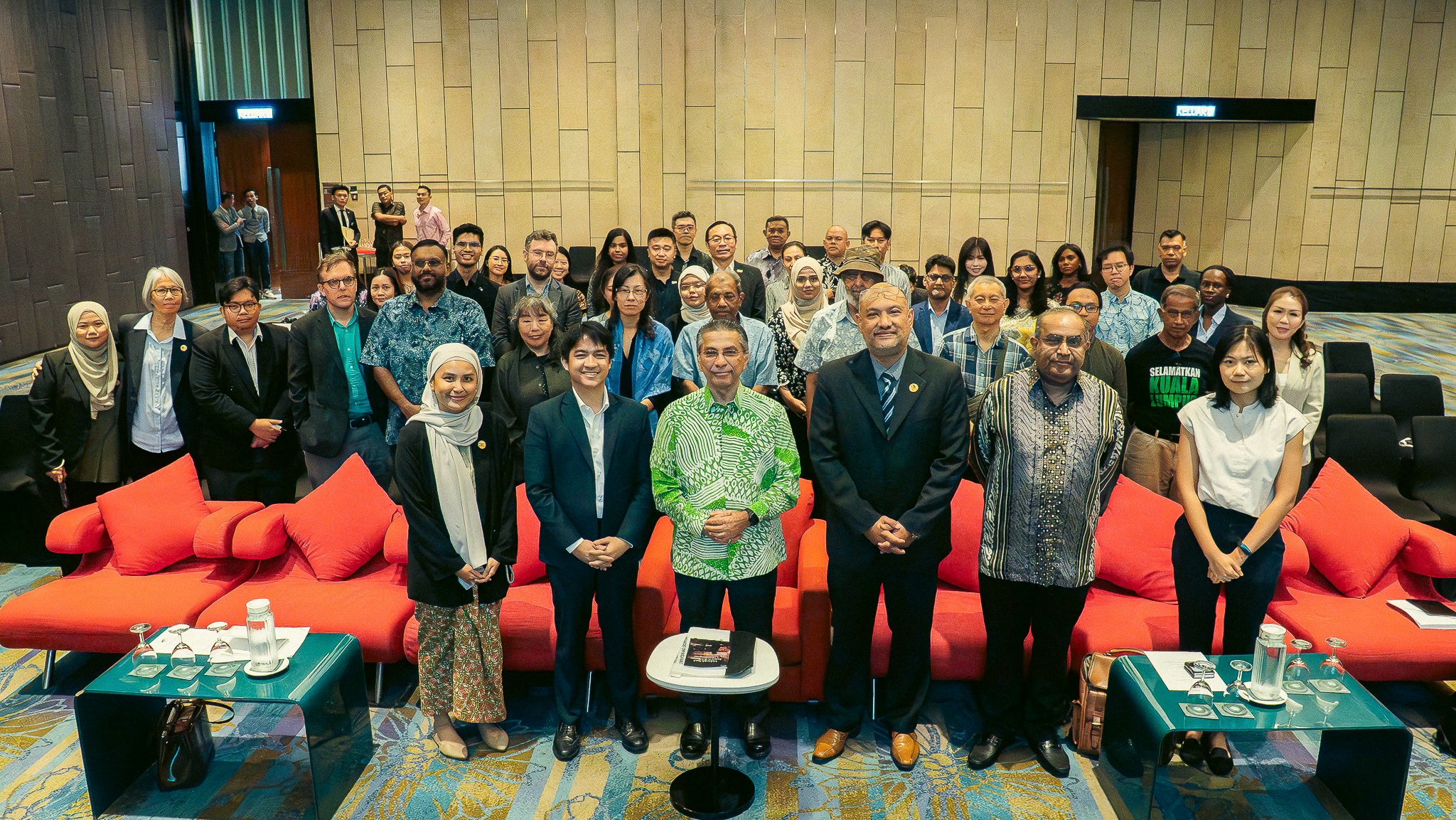
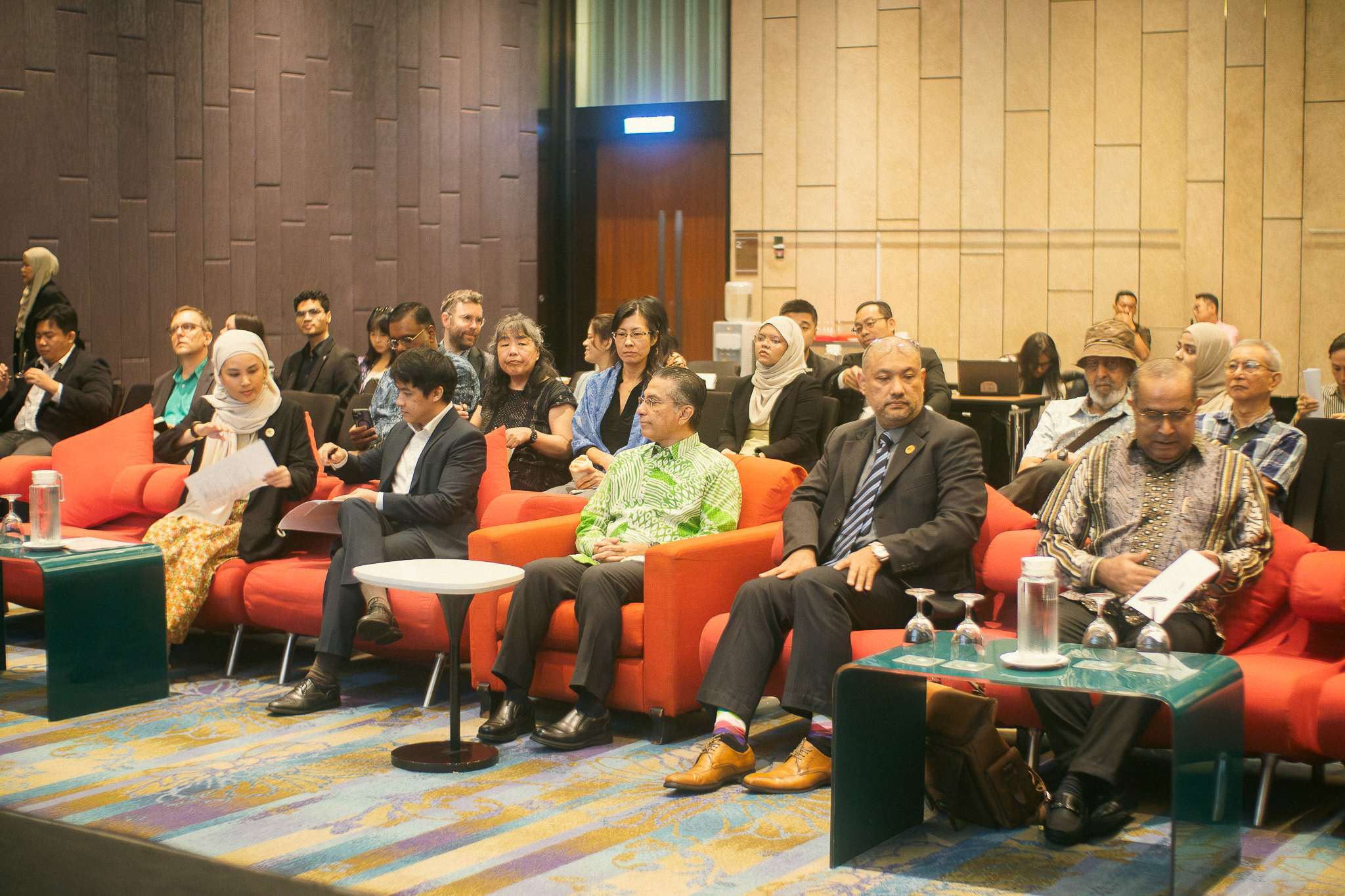
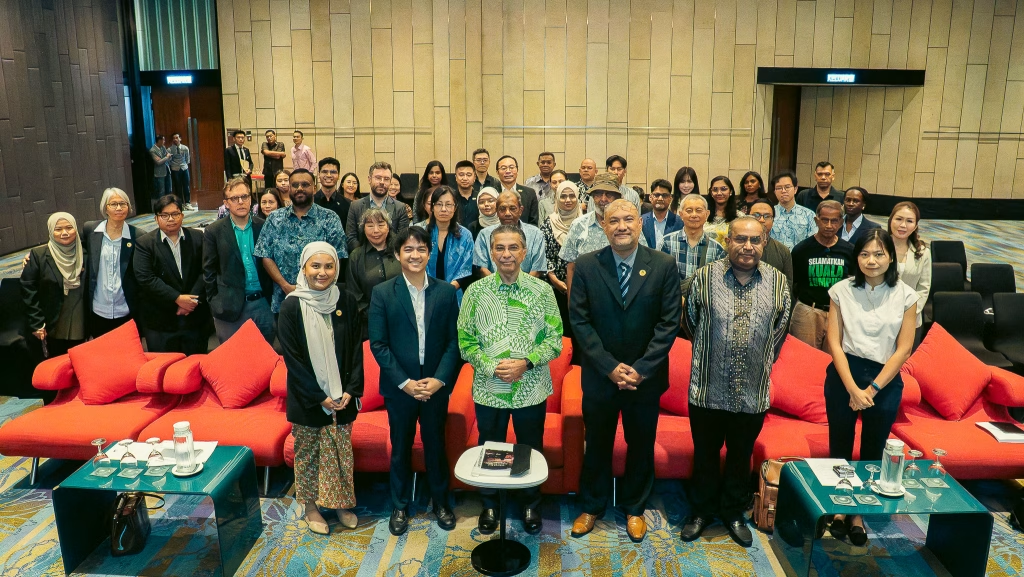
The event brought together policymakers, industry representatives, civil society organisations, and subject-matter experts to discuss how industrial development can better align with Malaysia’s climate commitments, while also addressing governance concerns related to transparency, accountability, and oversight within the steel industry sector.
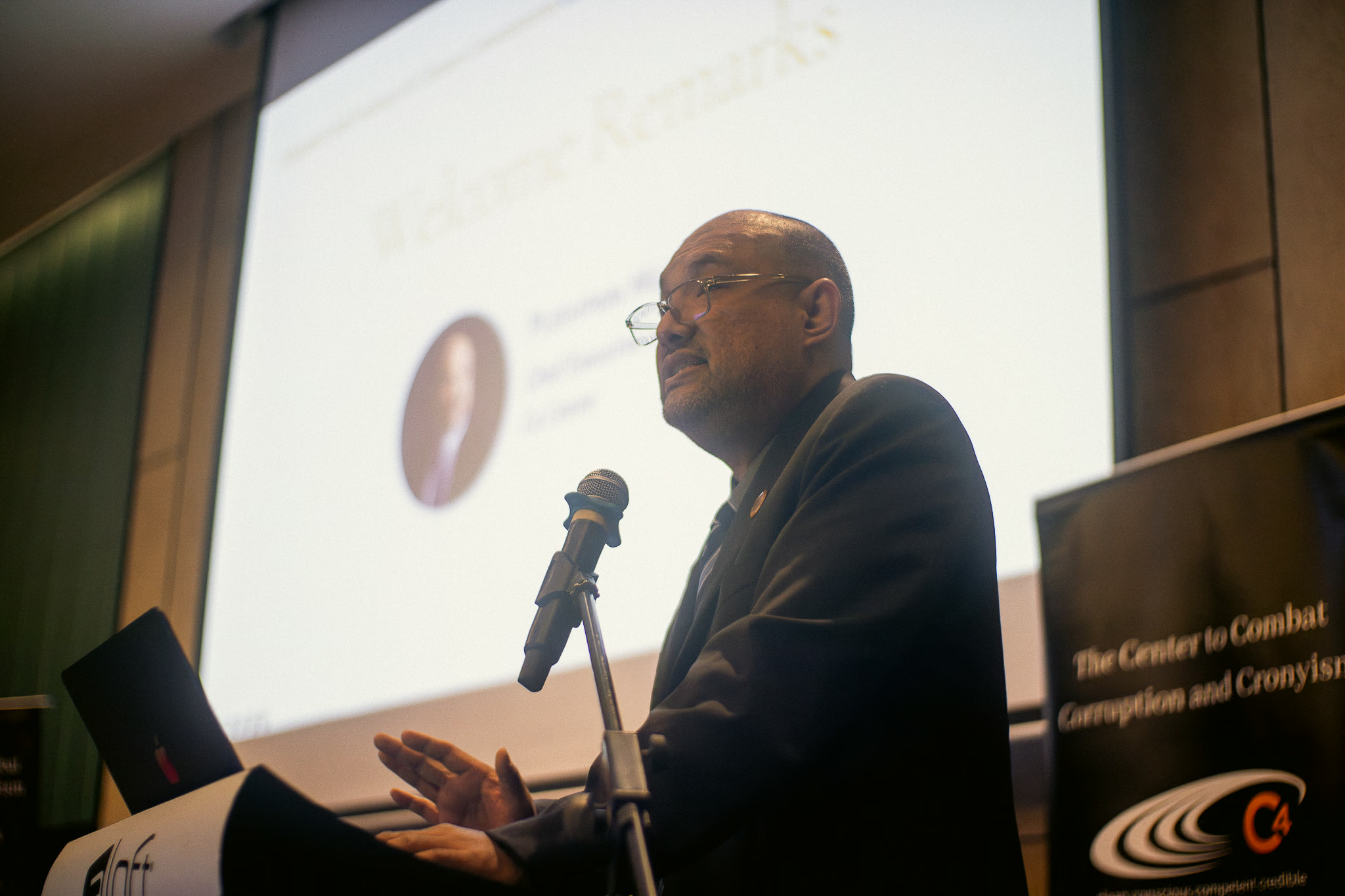
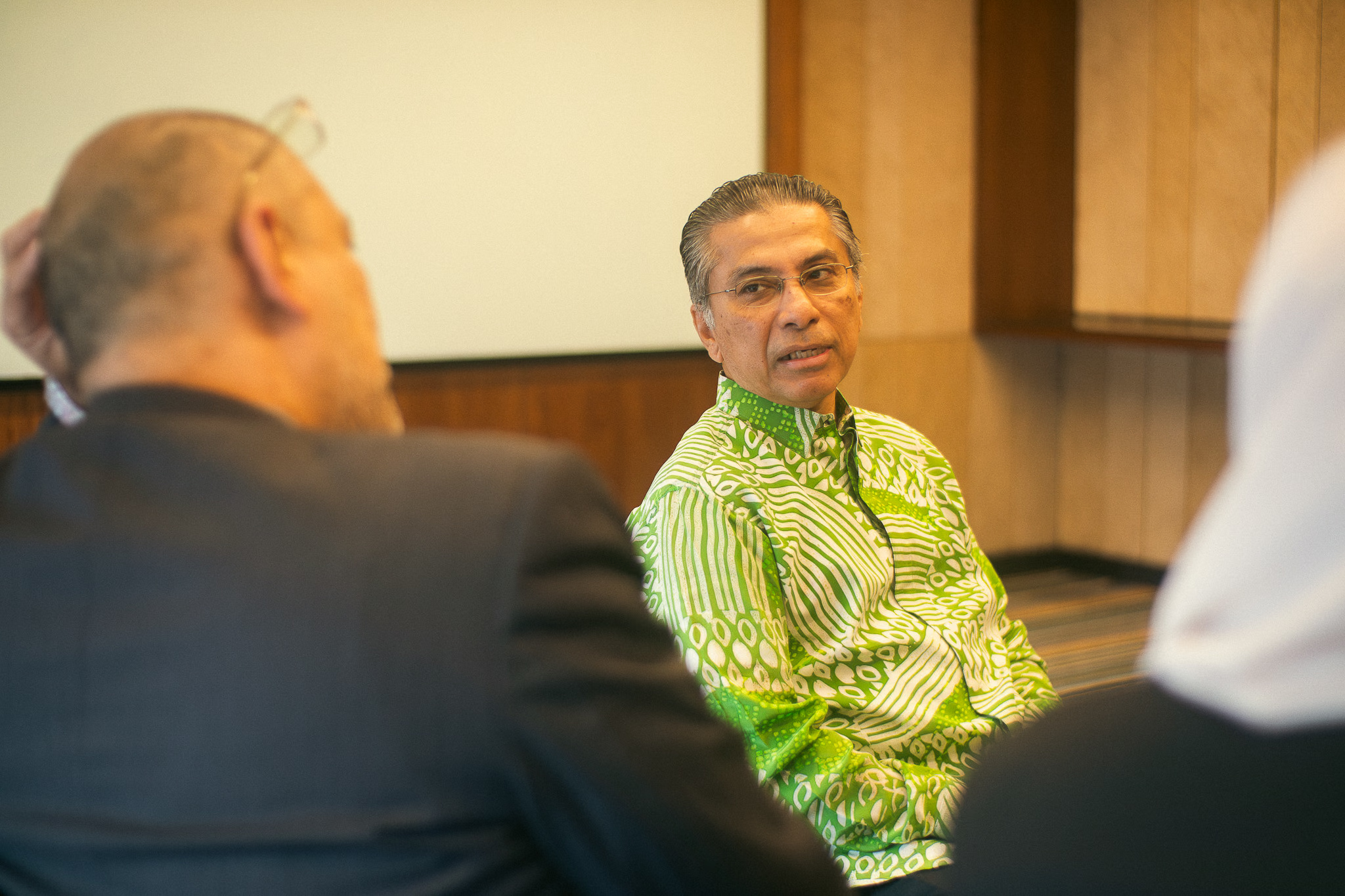
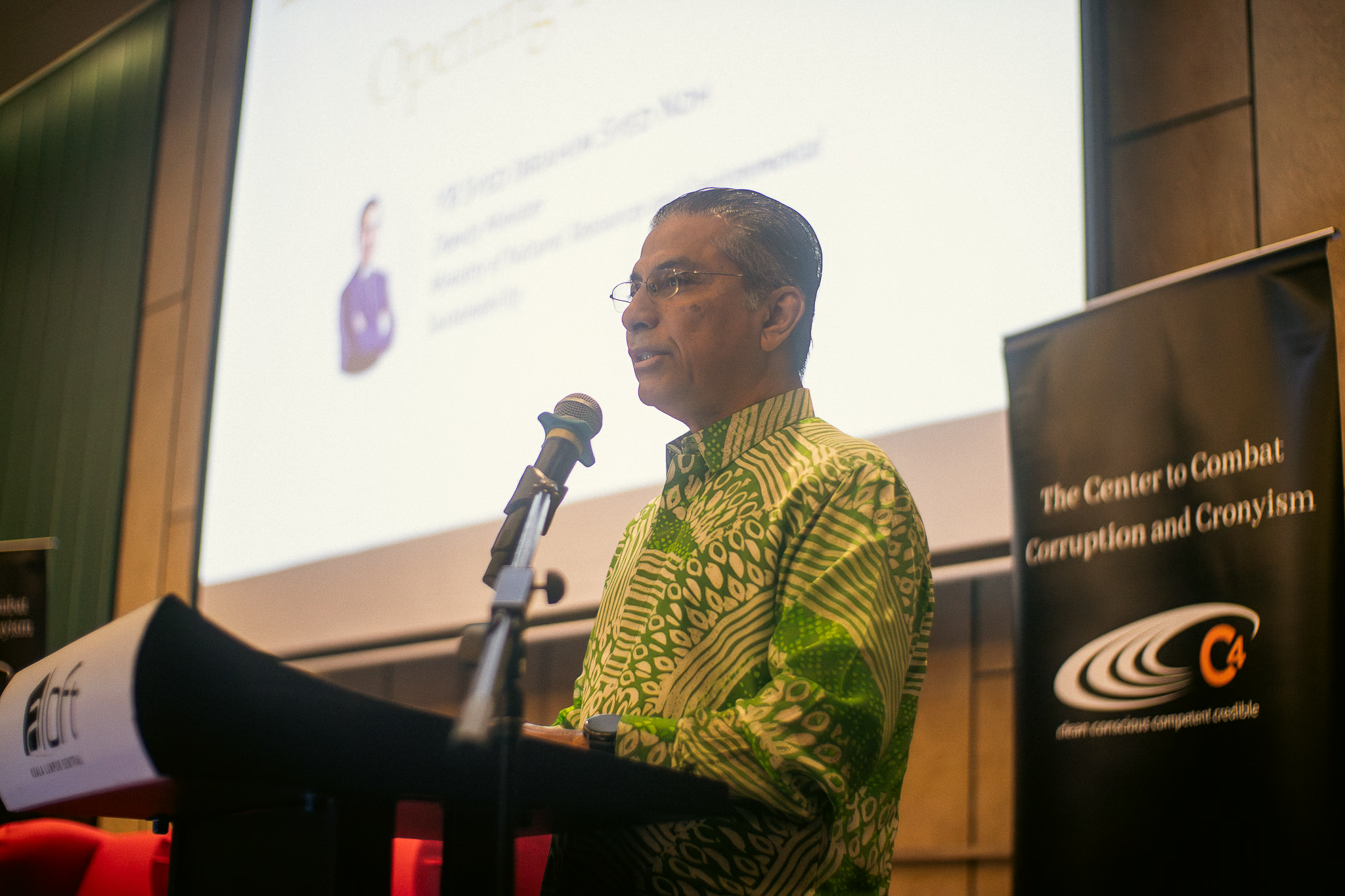
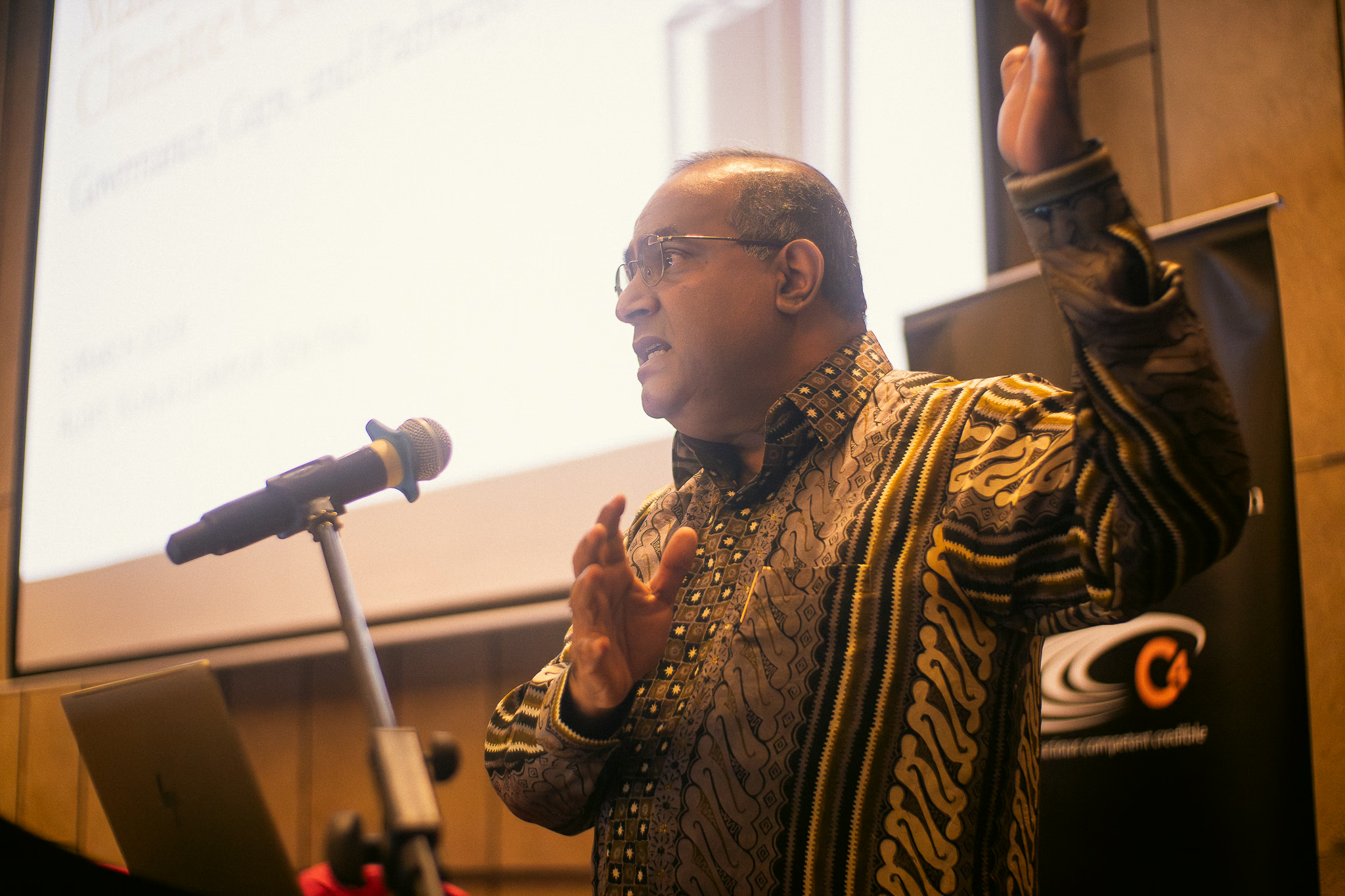
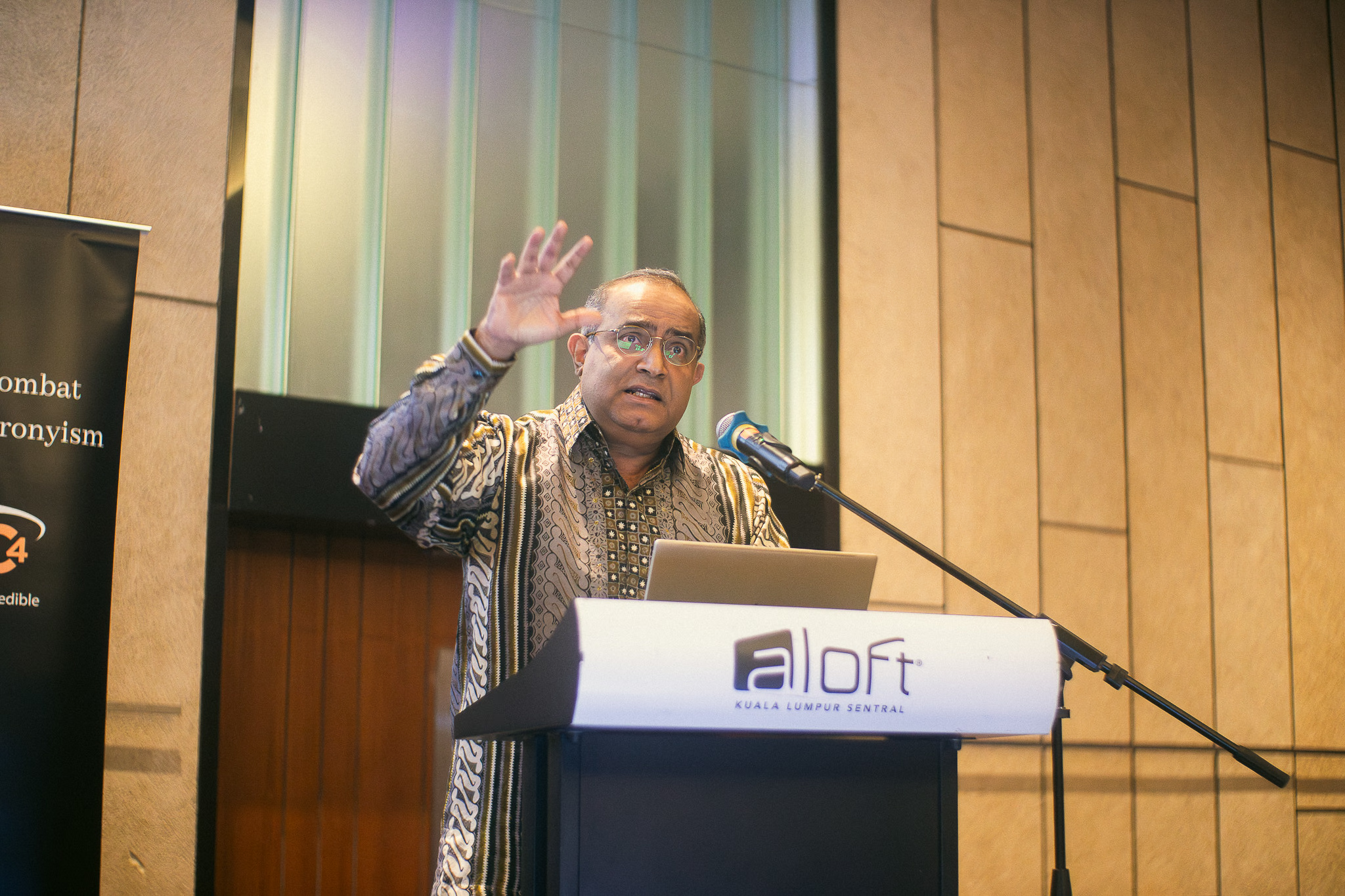
The programme opened with welcoming remarks by Pushpan Murugiah, CEO of C4 Center, followed by an opening address from YB Tuan Syed Ibrahim Syed Noh, Deputy Minister of Natural Resources and Environmental Sustainability (NRES), highlighting the need for a meaningful Climate Change Act (CCA). Professor Emeritus Edmund Terence Gomez, Chairman of C4 Center, delivered the keynote presentation, setting the context for discussions on governance, industrial policy, and climate accountability.
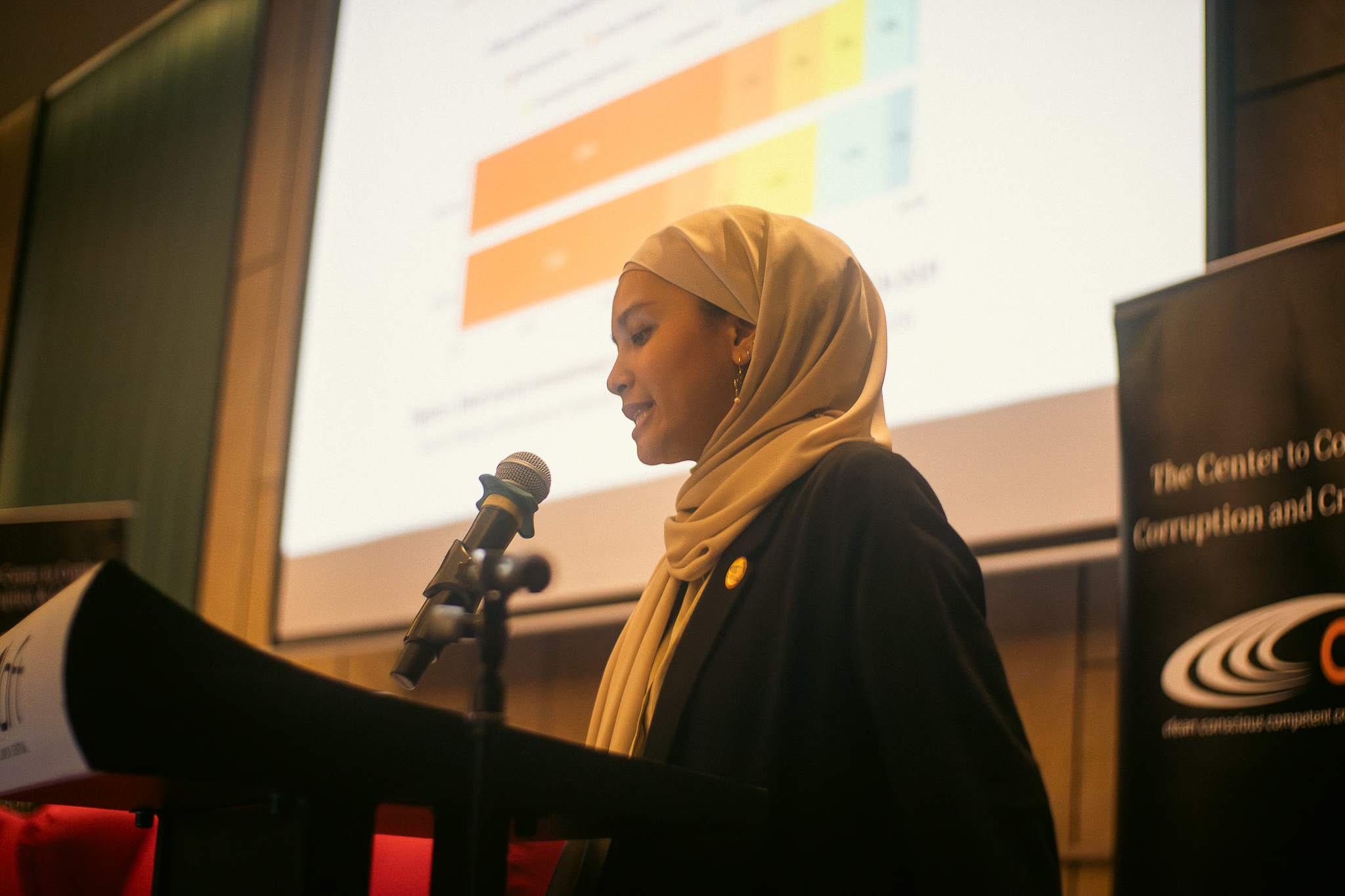
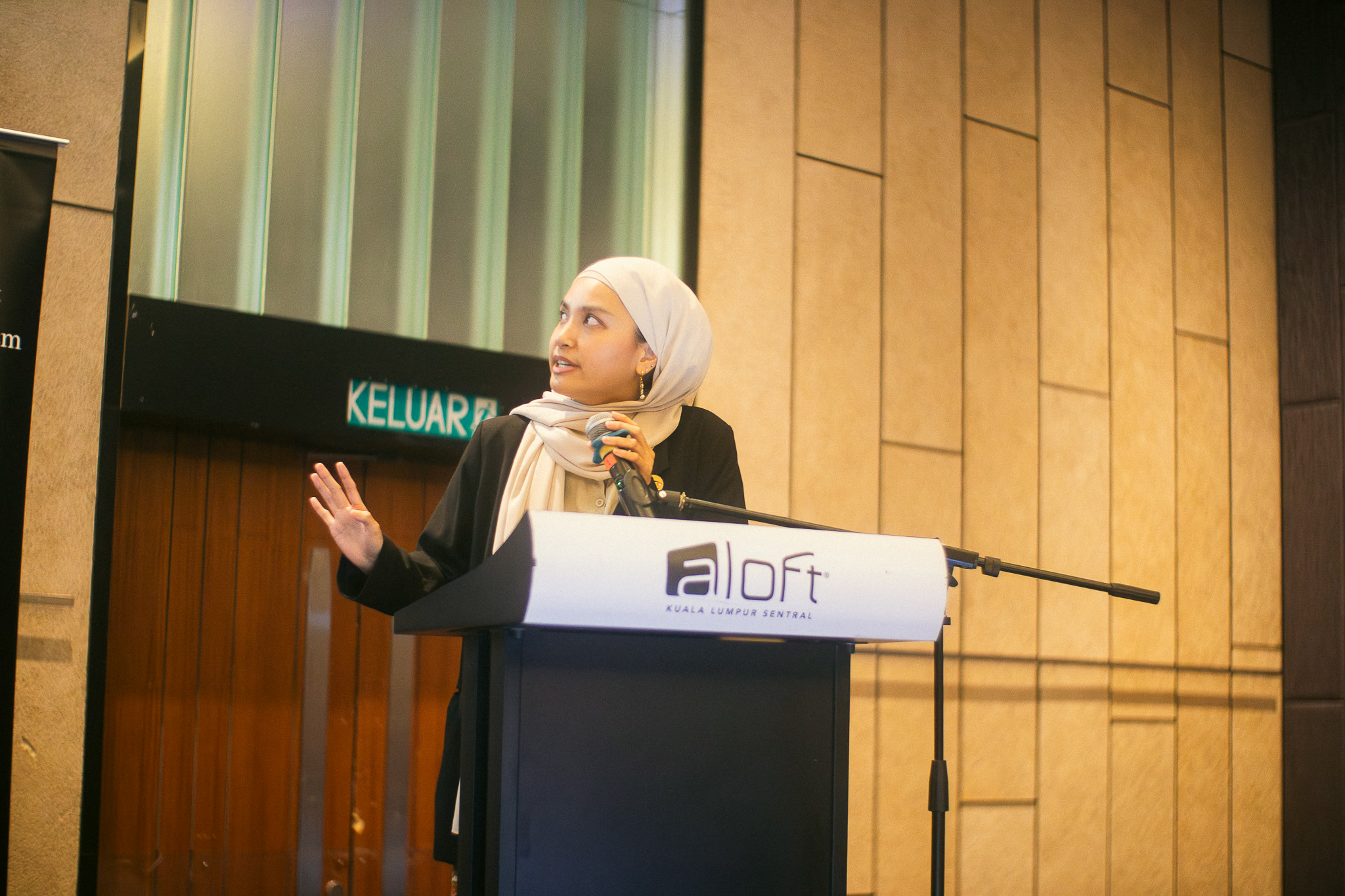
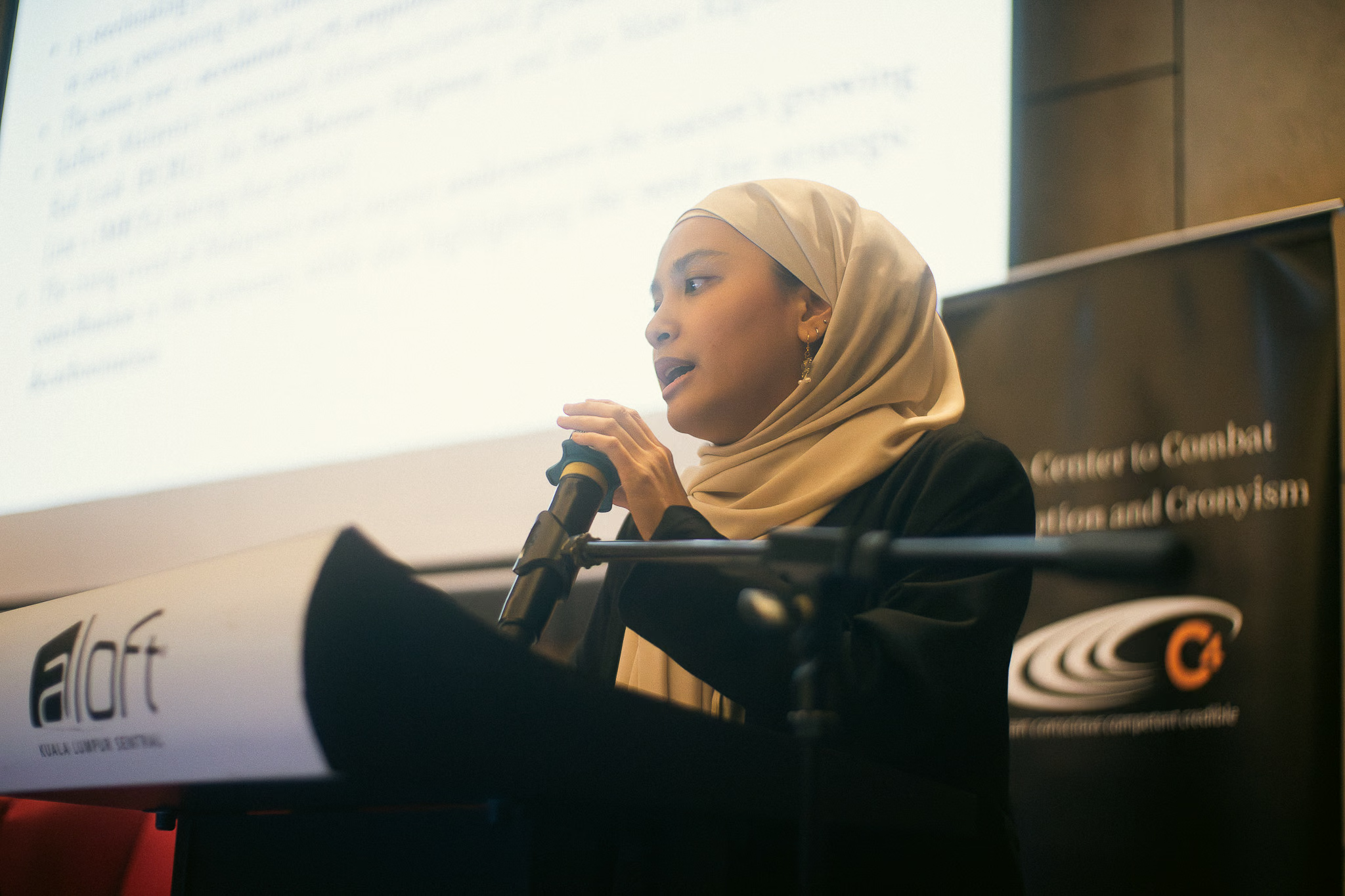
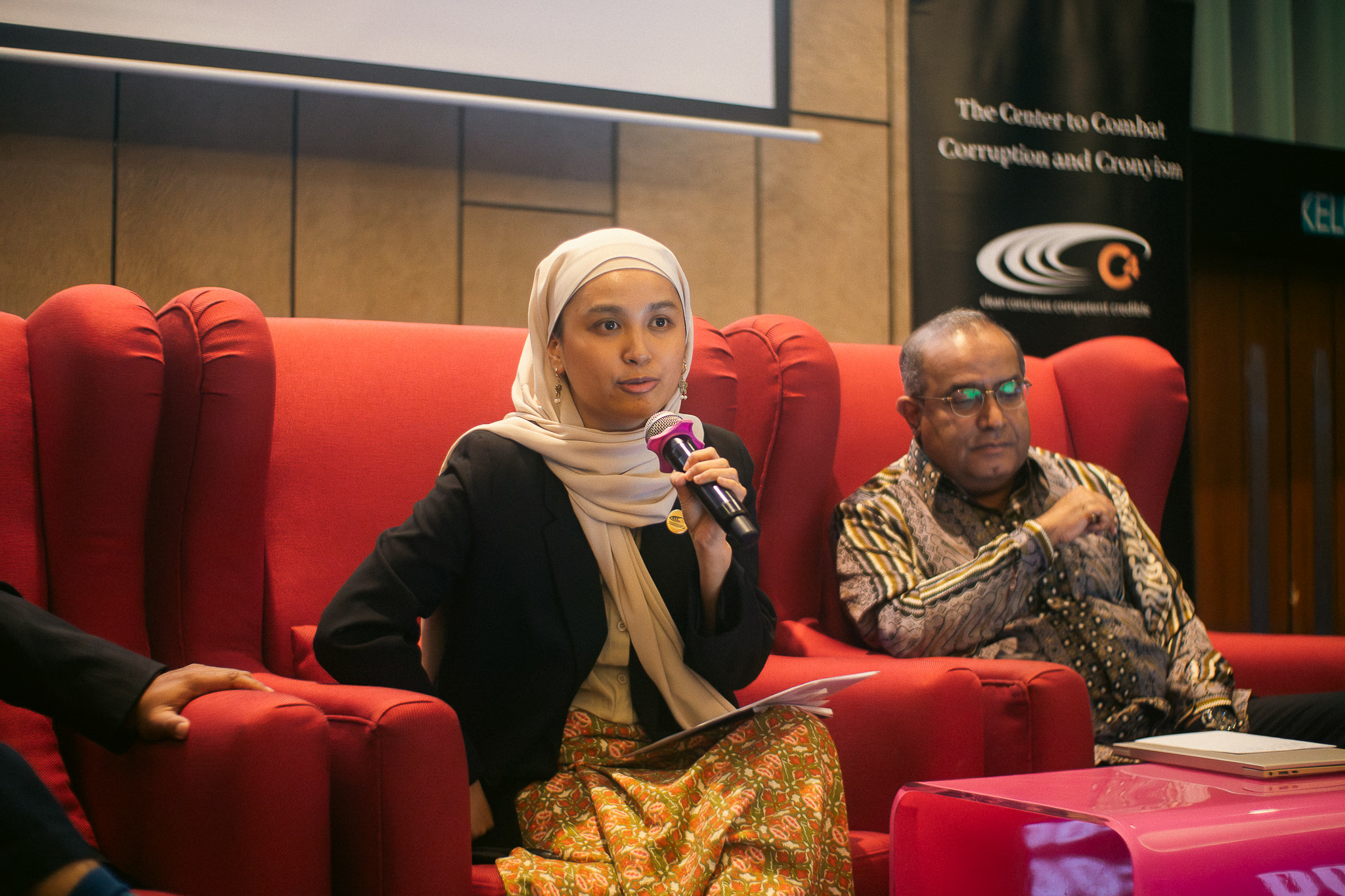
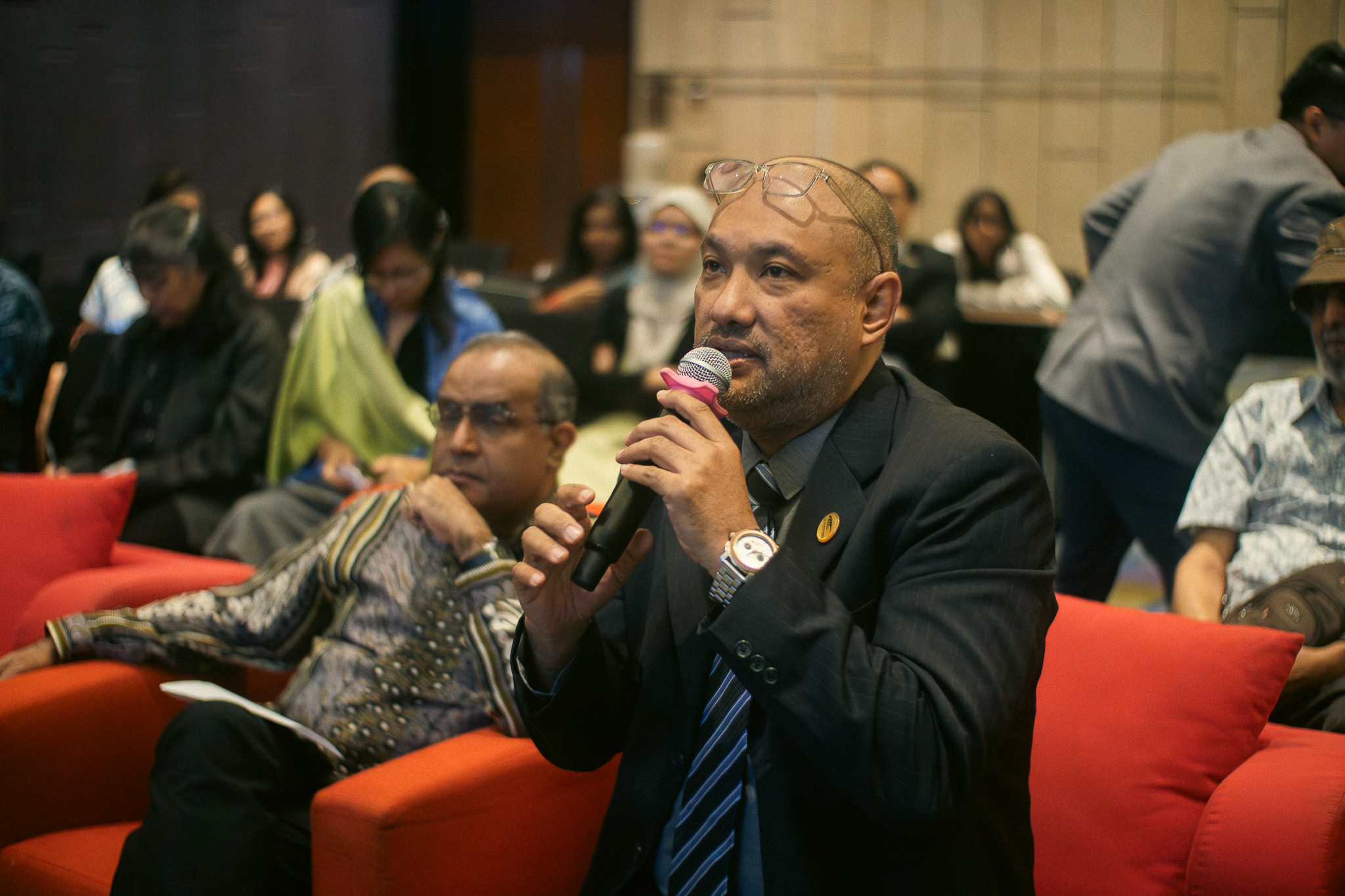
The report findings were presented by Nabila Zulkeflee, Environmental Governance Research Officer at C4 Center and co-author of the report, alongside Pushpan Murugiah, who presented additional findings and concerns emerging from the research. During the Q&A session following the presentations, participants raised concerns regarding the growing influence of foreign investment, weak emissions governance, and the longstanding political-business nexus that continues to undermine environmental accountability within Malaysia’s steel sector. Discussions also highlighted the urgent need for stronger climate legislation, mandatory greenhouse gas disclosure, and verification mechanisms to ensure industrial development aligns with Malaysia’s climate commitments.
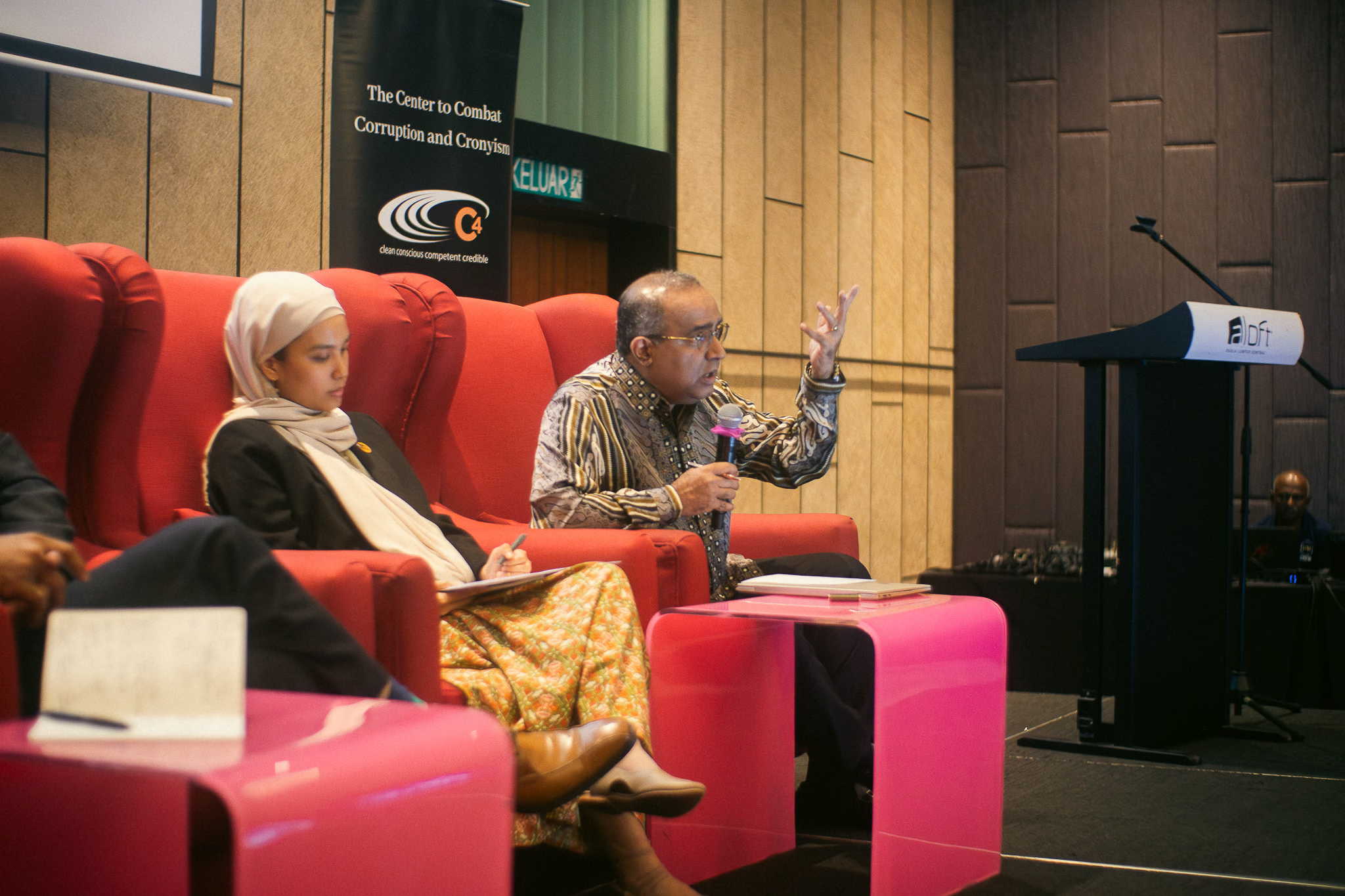
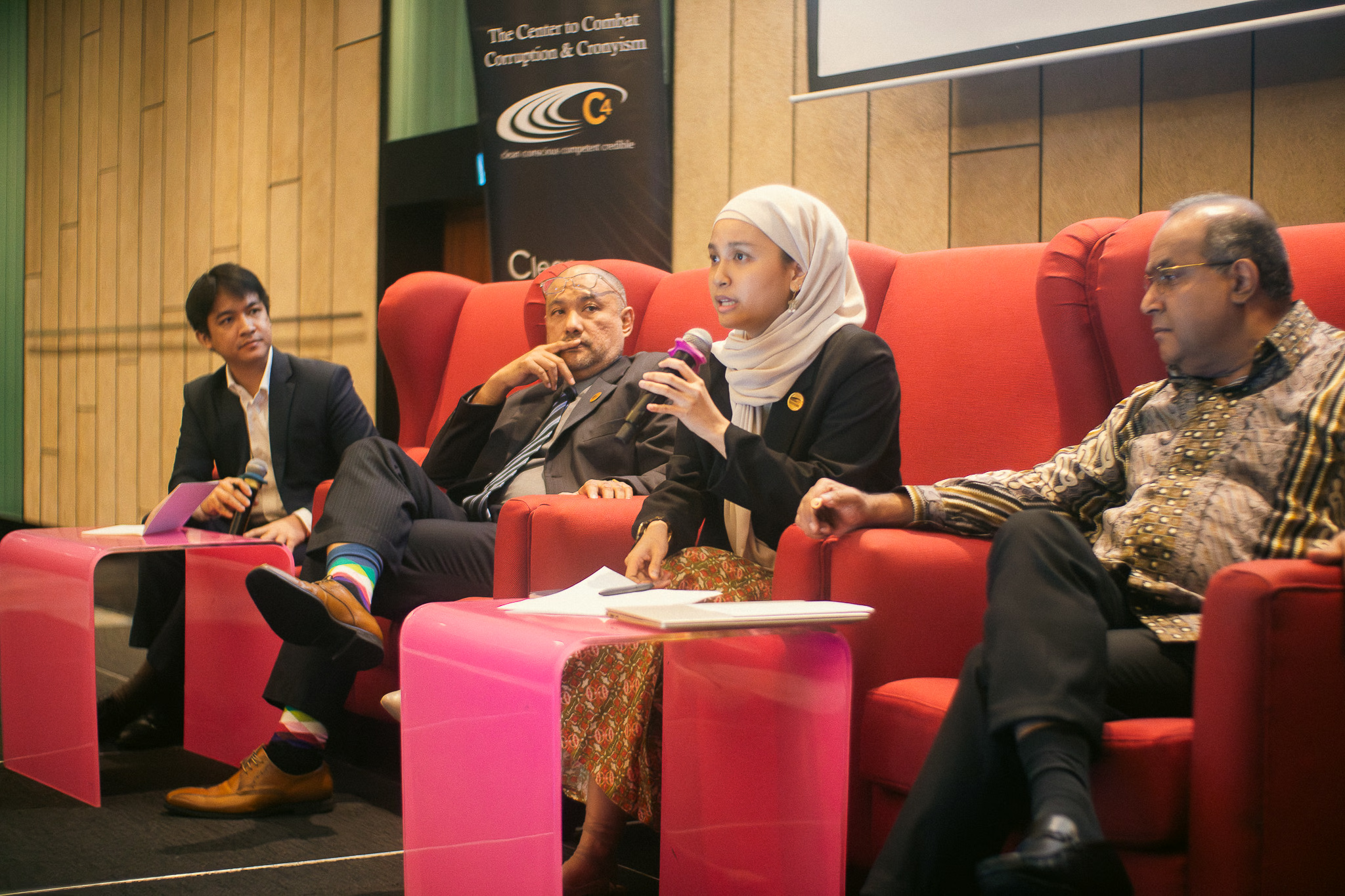
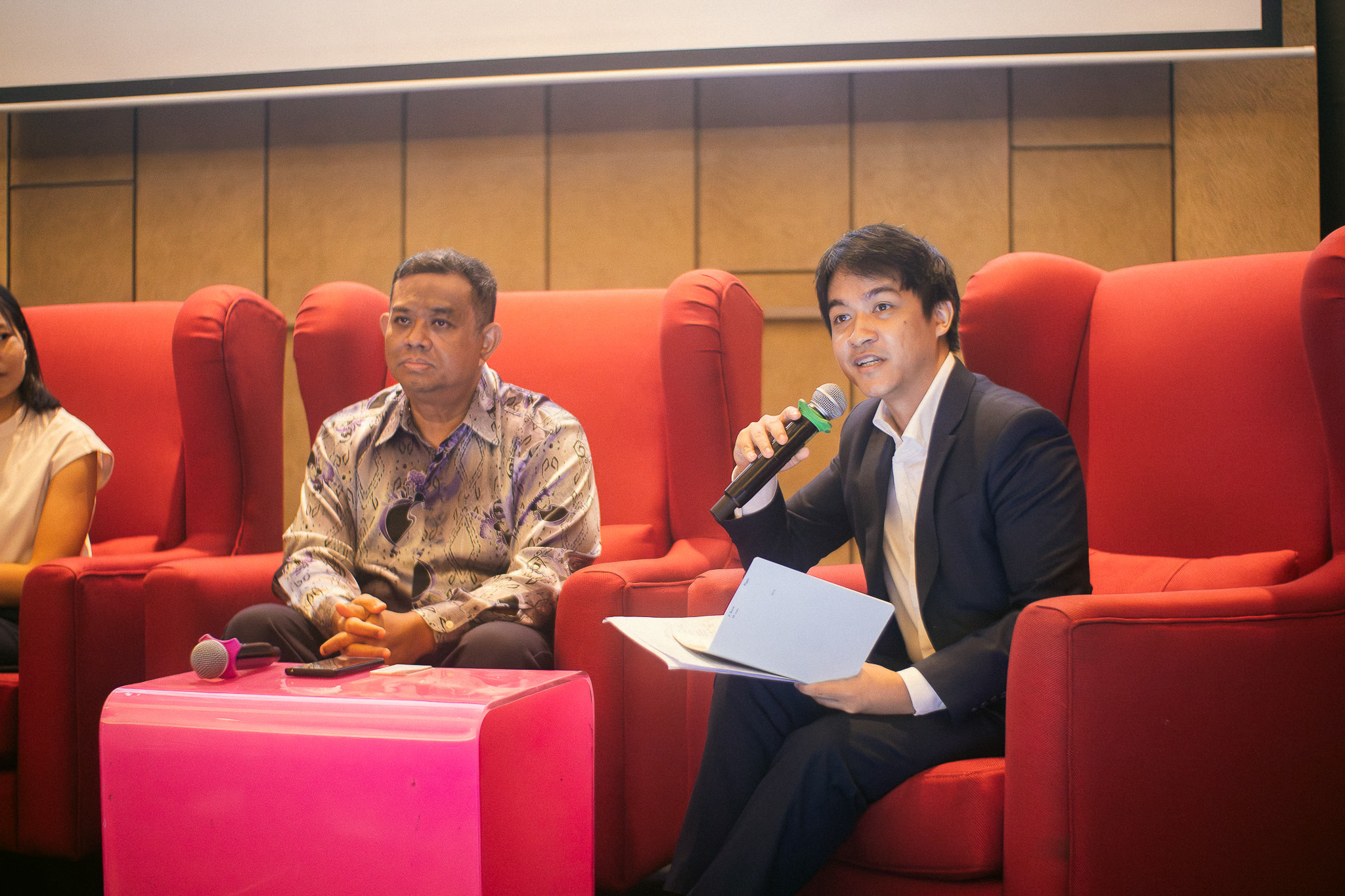
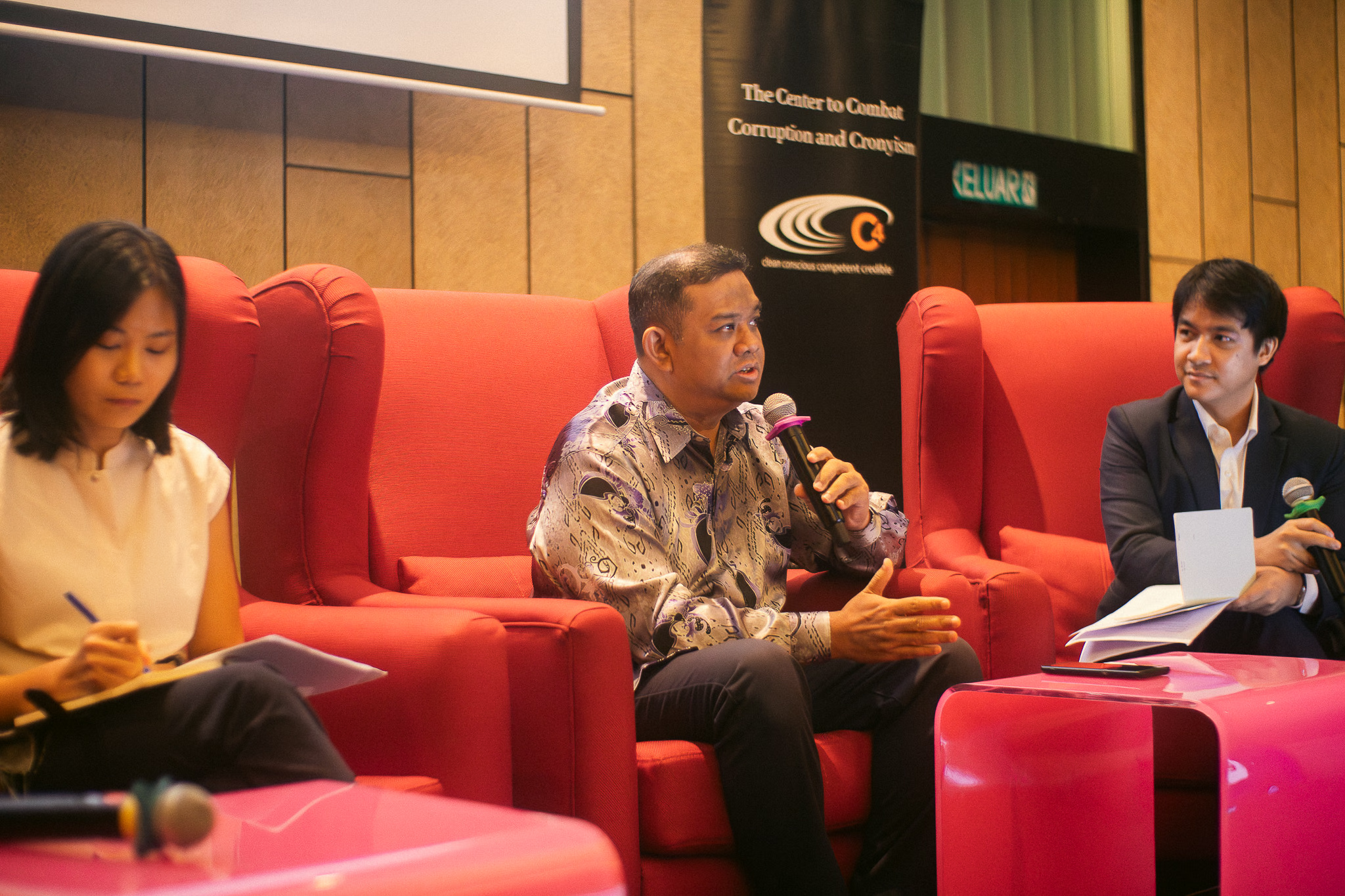
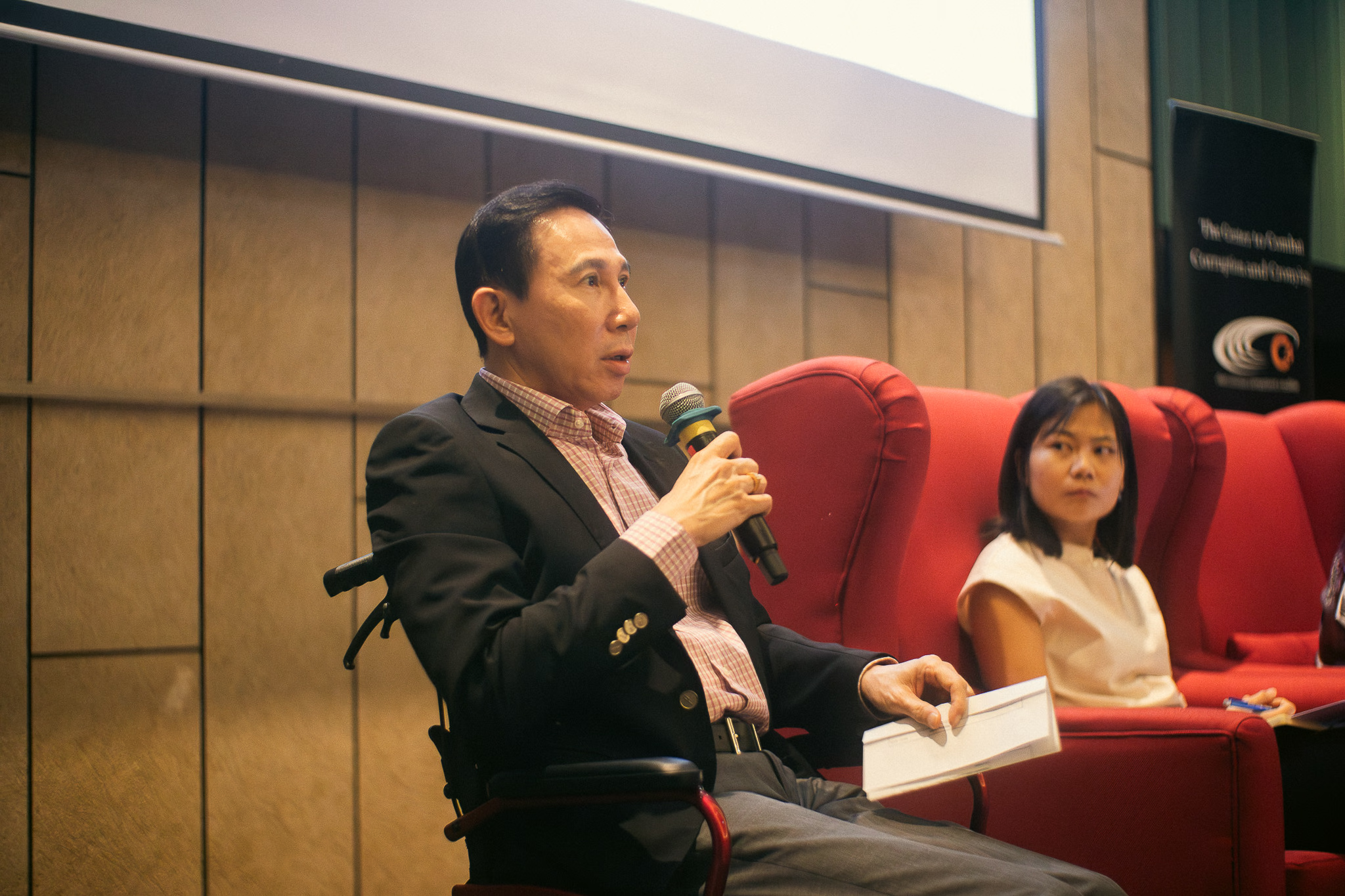
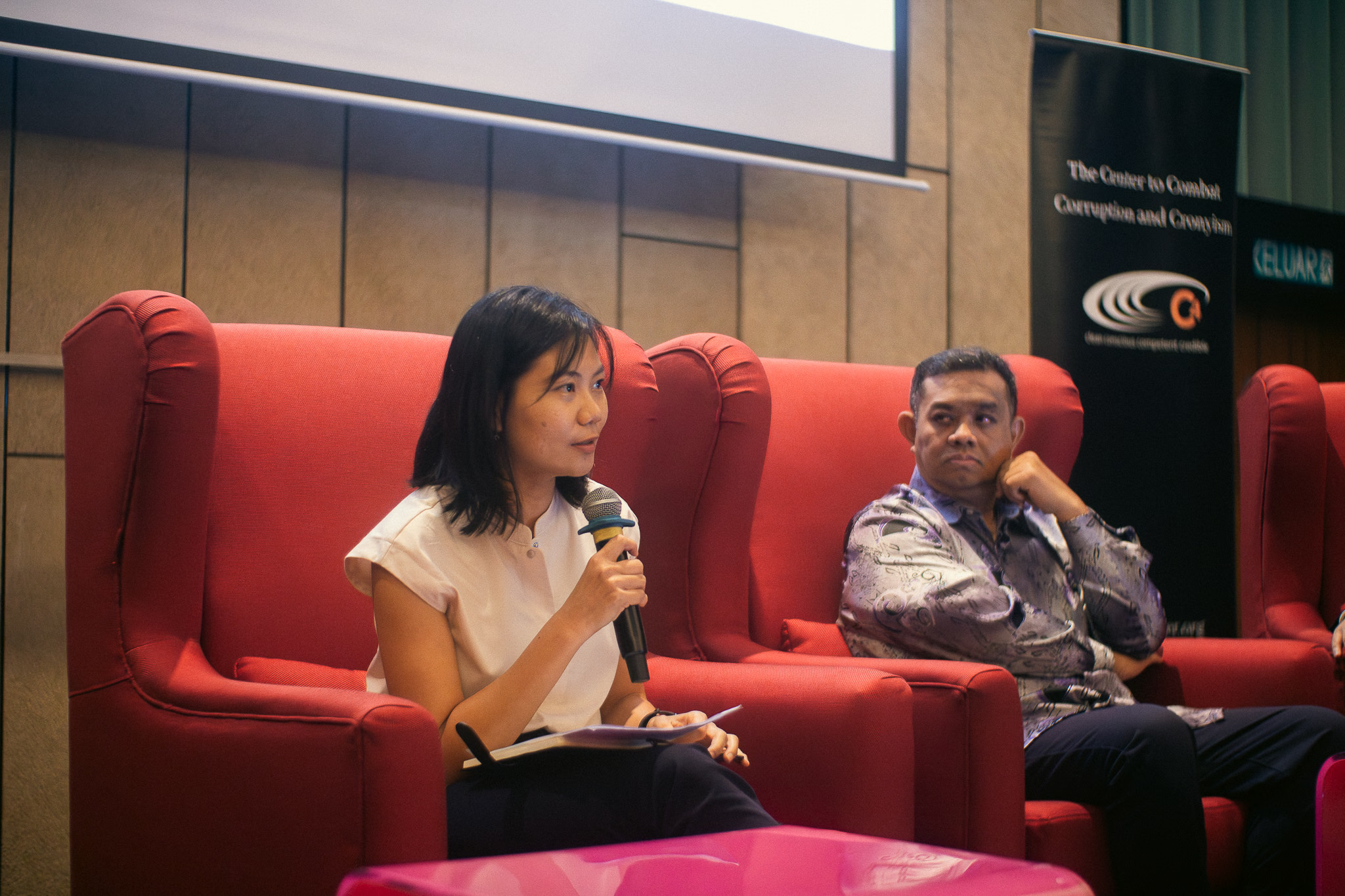
The event also featured a panel discussion moderated by Arief Hamizan, Head of Research and Policy Advocacy at C4 Center, with panellists Dato’ Sri Tai Hean Leng, President of the Association of Malaysian-Owned Steel Enterprises (AMOSE), Hilary Kung, Senior Researcher at Sahabat Alam Malaysia (SAM), and Ts. Dr Nurul Muiz Murad, CEO of the Malaysia Steel Institute (MSI).
The panel discussion highlighted growing concerns over foreign dominance within Malaysia’s steel industry, with speakers warning that the increasing use of conventional, high-emission technologies by foreign-owned companies risks undermining both local industry competitiveness and Malaysia’s climate commitments. Panellists also emphasised the urgent need for stronger emissions disclosure frameworks, clearer decarbonisation strategies, meaningful implementation of the CCA and carbon pricing mechanisms, as well as greater collaboration between government, industry, and civil society to ensure a just and climate-resilient industrial transition.
Among its key findings, the report concludes that Malaysia’s climate commitments risk being undermined by longstanding structural weaknesses within the steel sector, particularly in the corporate structure that is abused through government-to-government agreements. These include inadequate disclosure requirements, fragmented emissions governance, and the potential for political interference, all of which continue to hinder effective climate action and oversight.