Held in Kuala Lumpur on the 23rd to 24th of May 2025
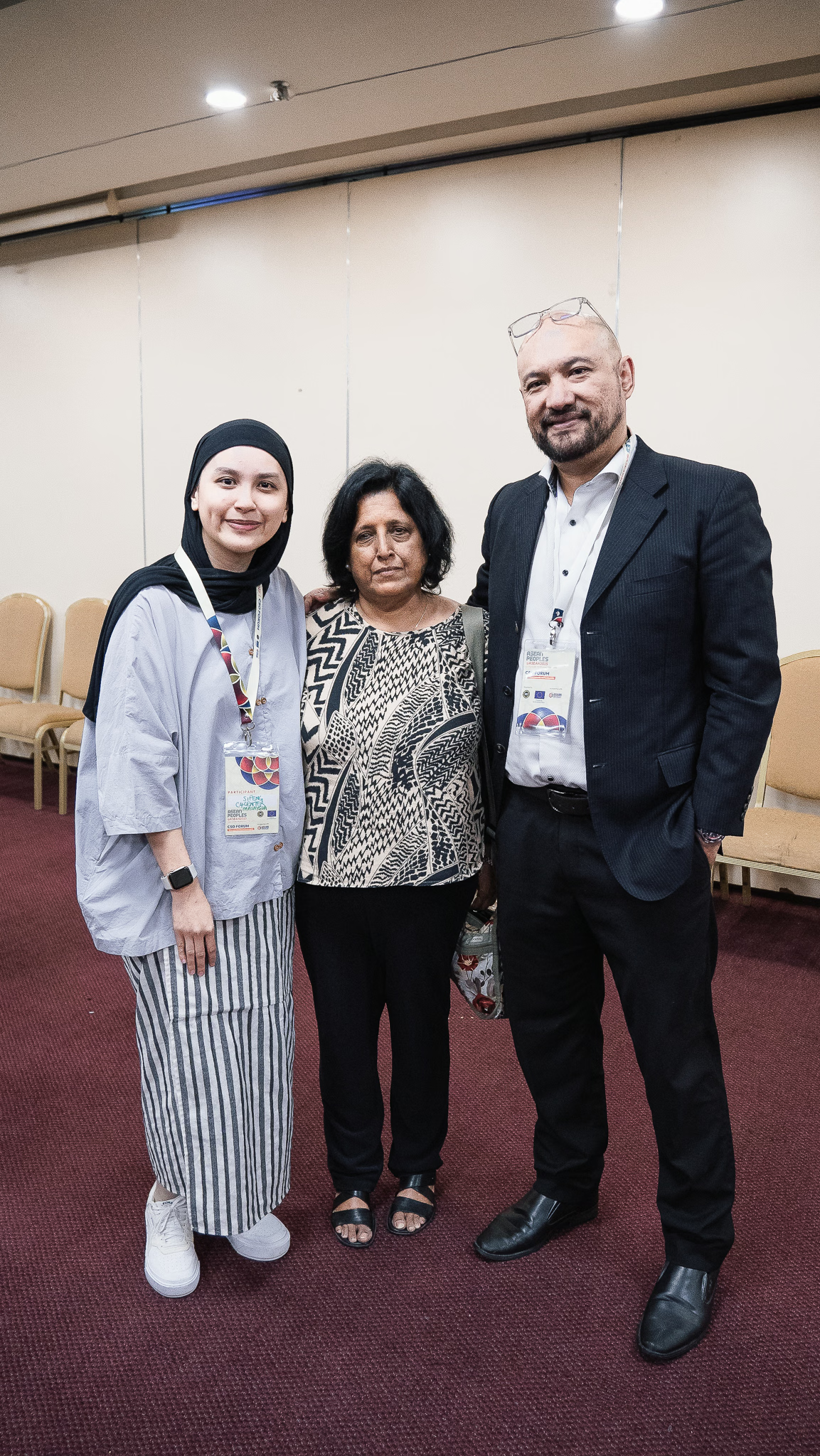
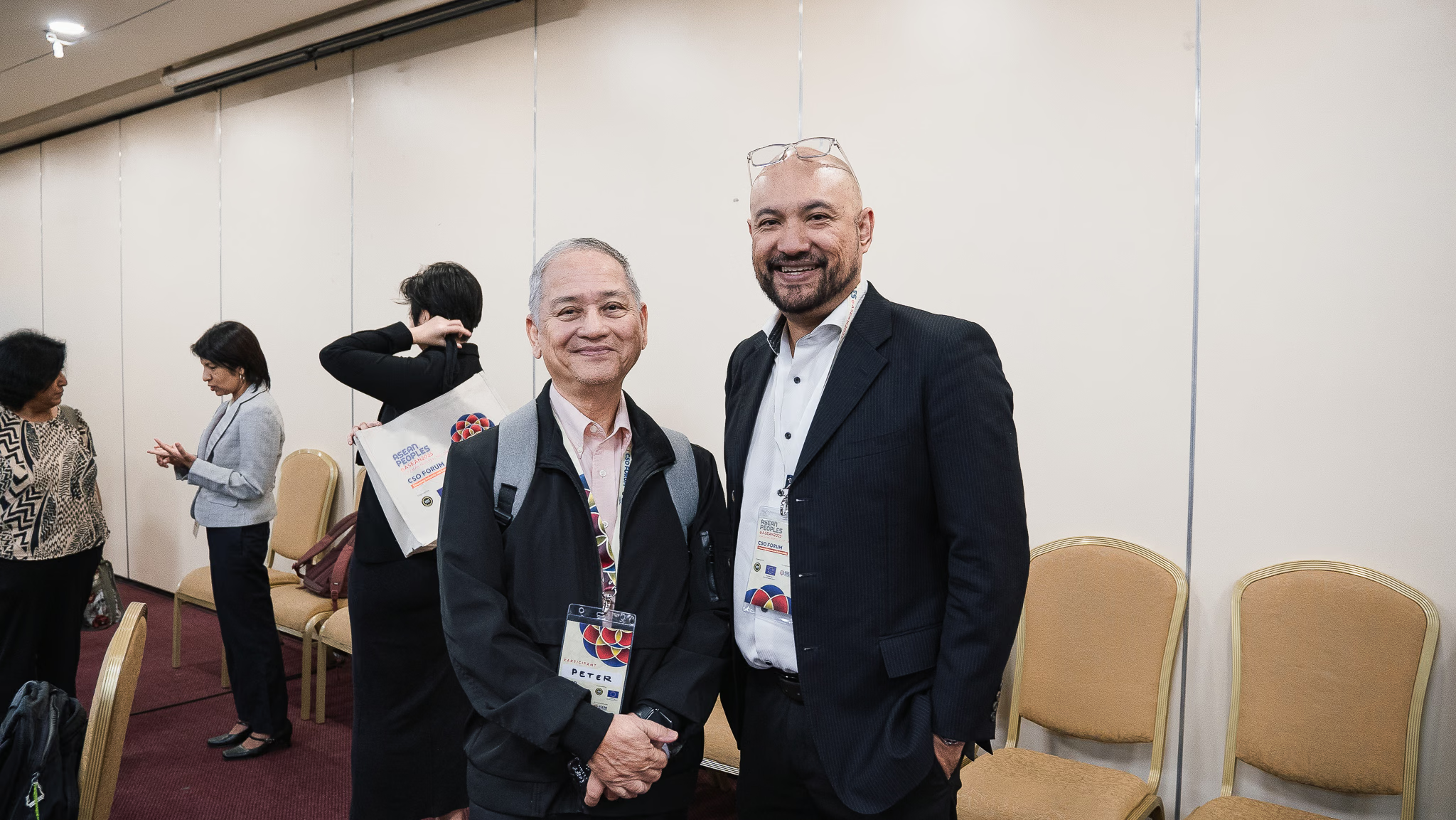
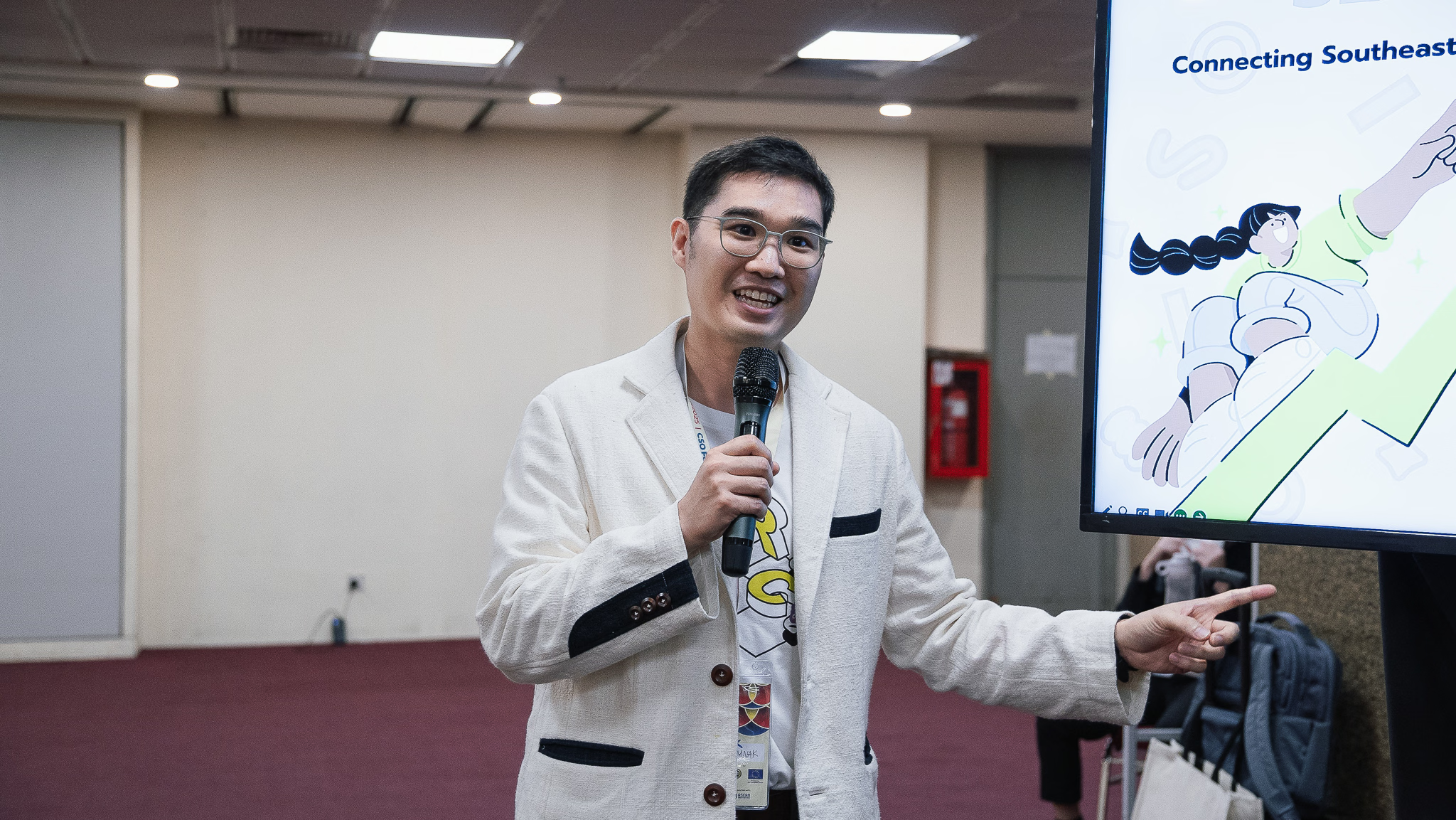
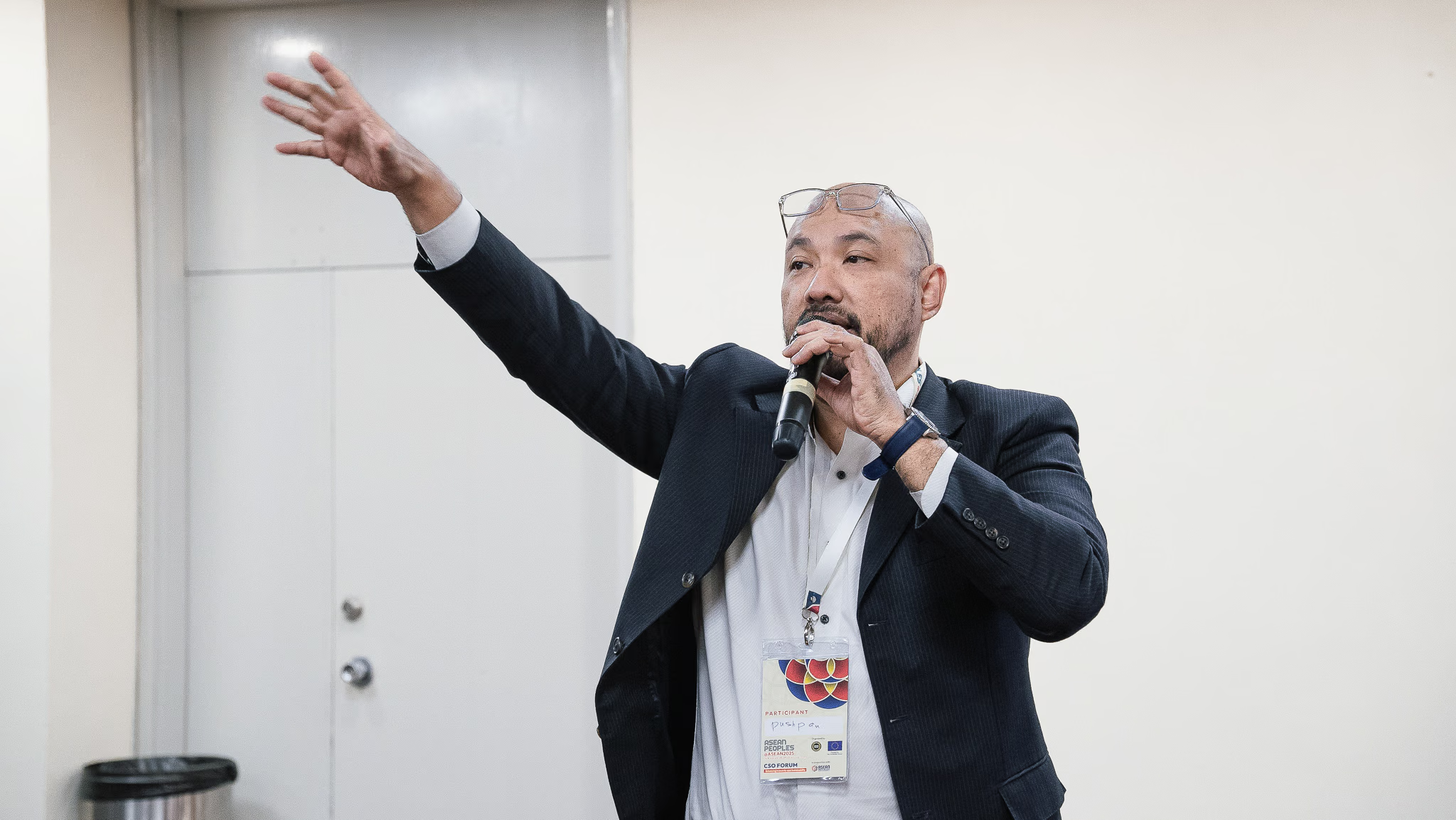
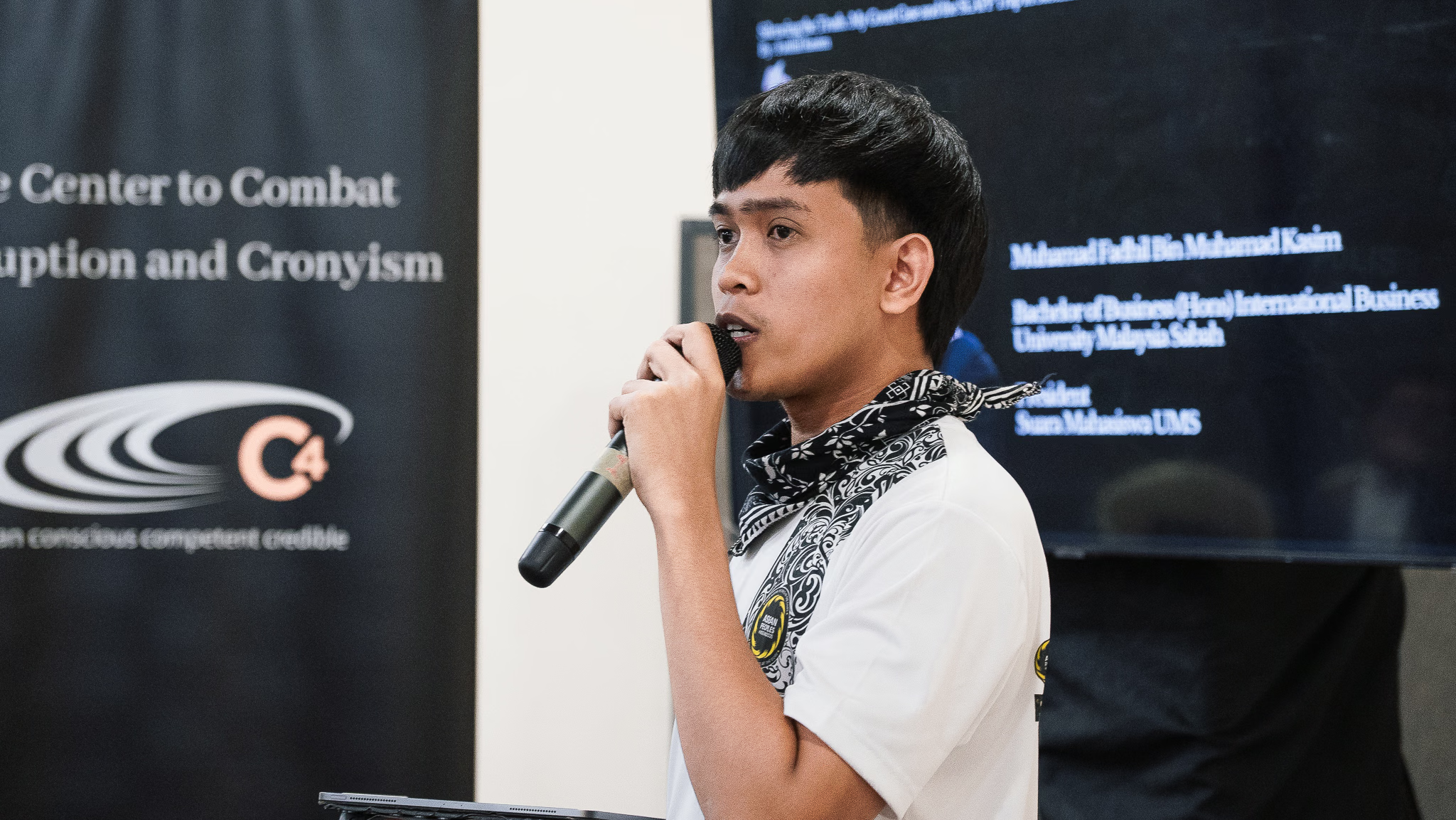
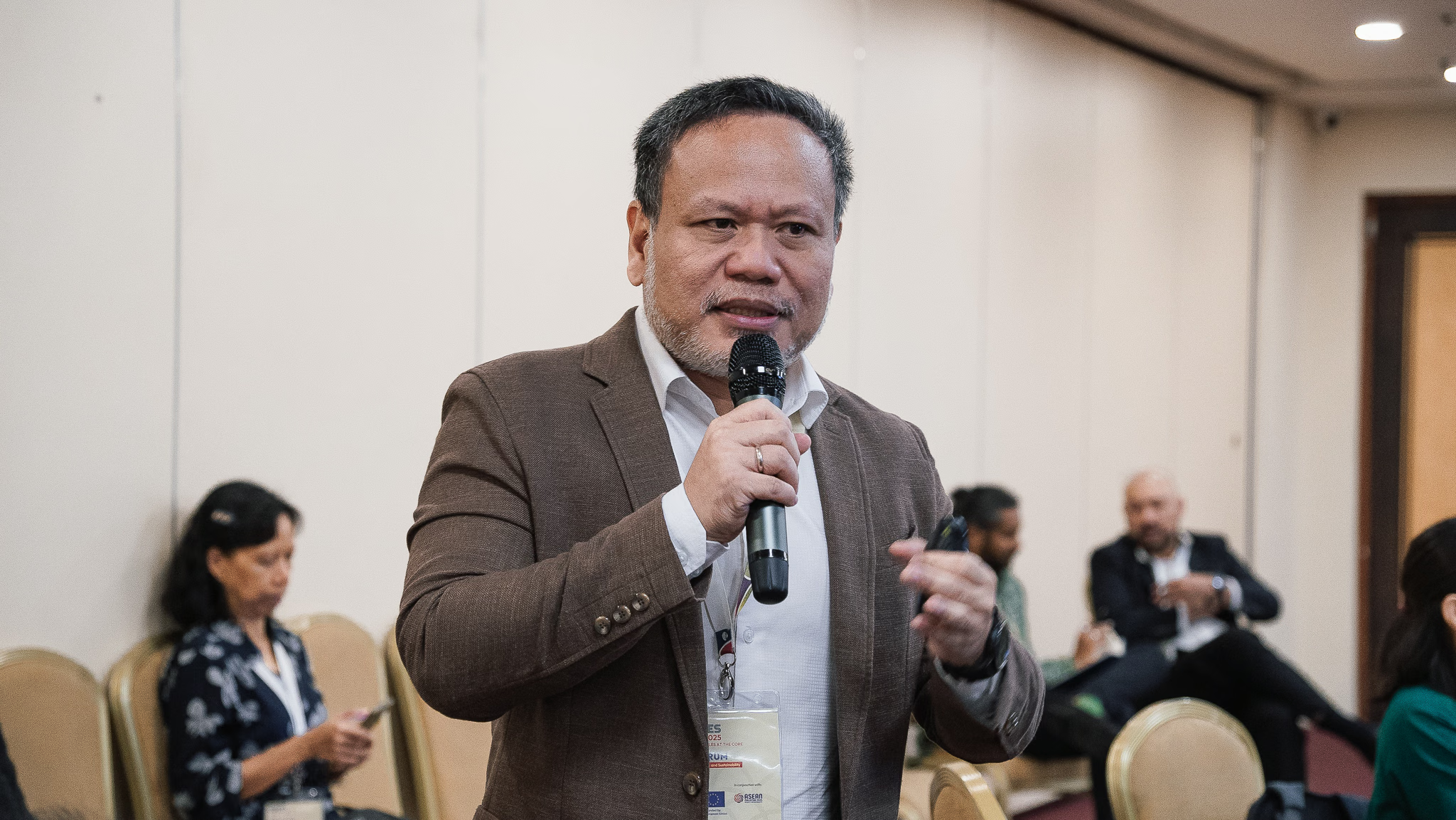
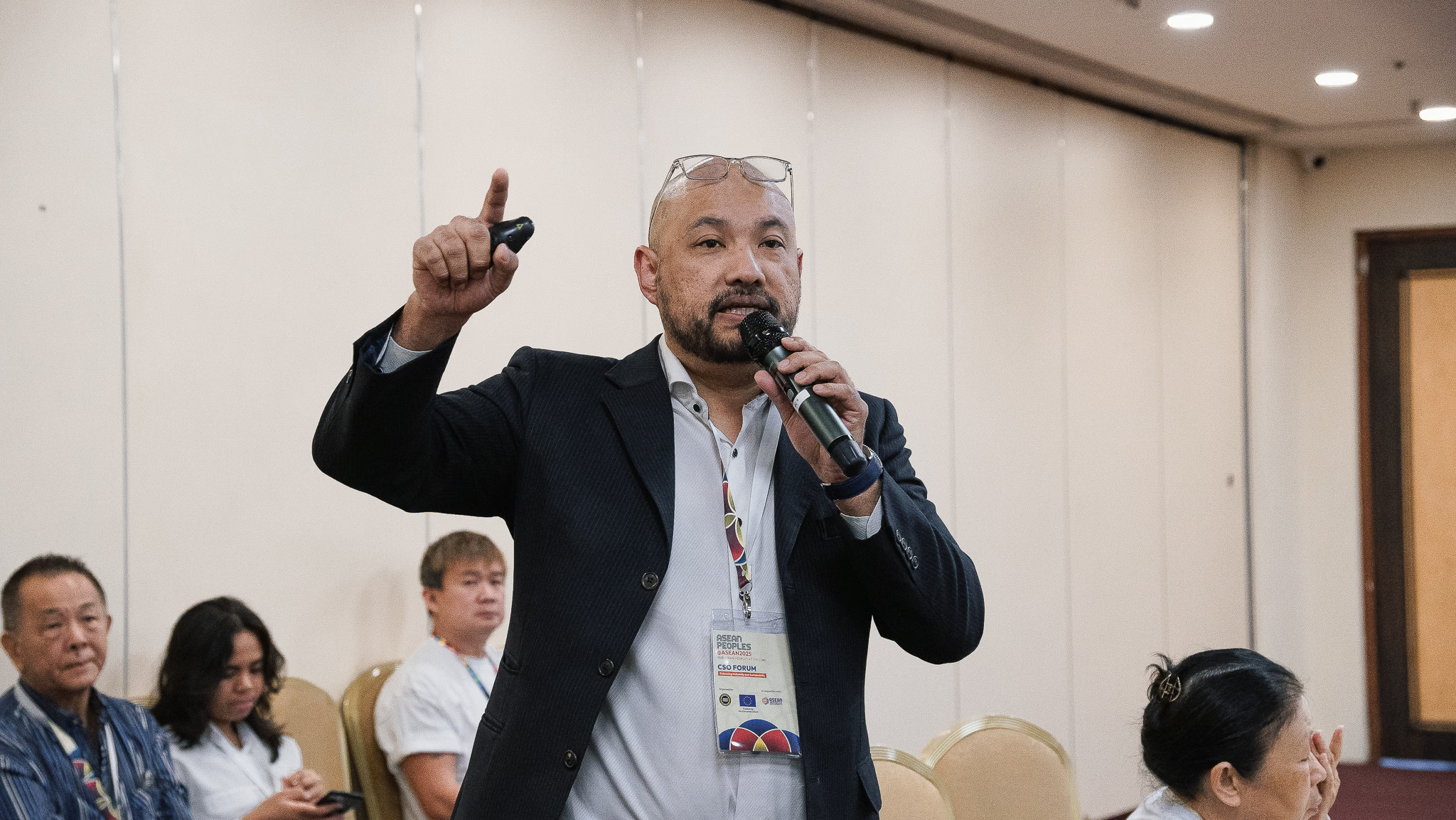
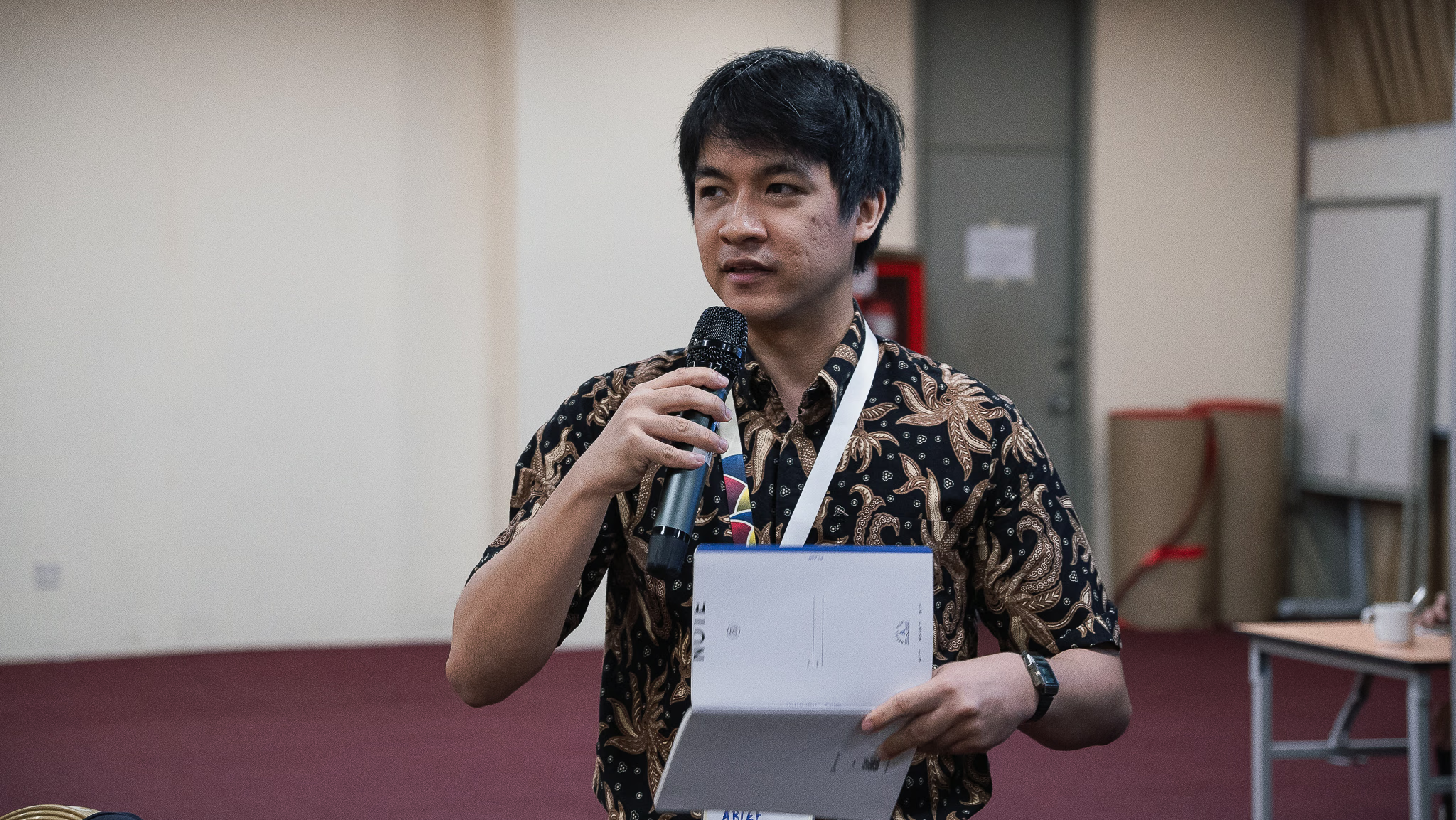
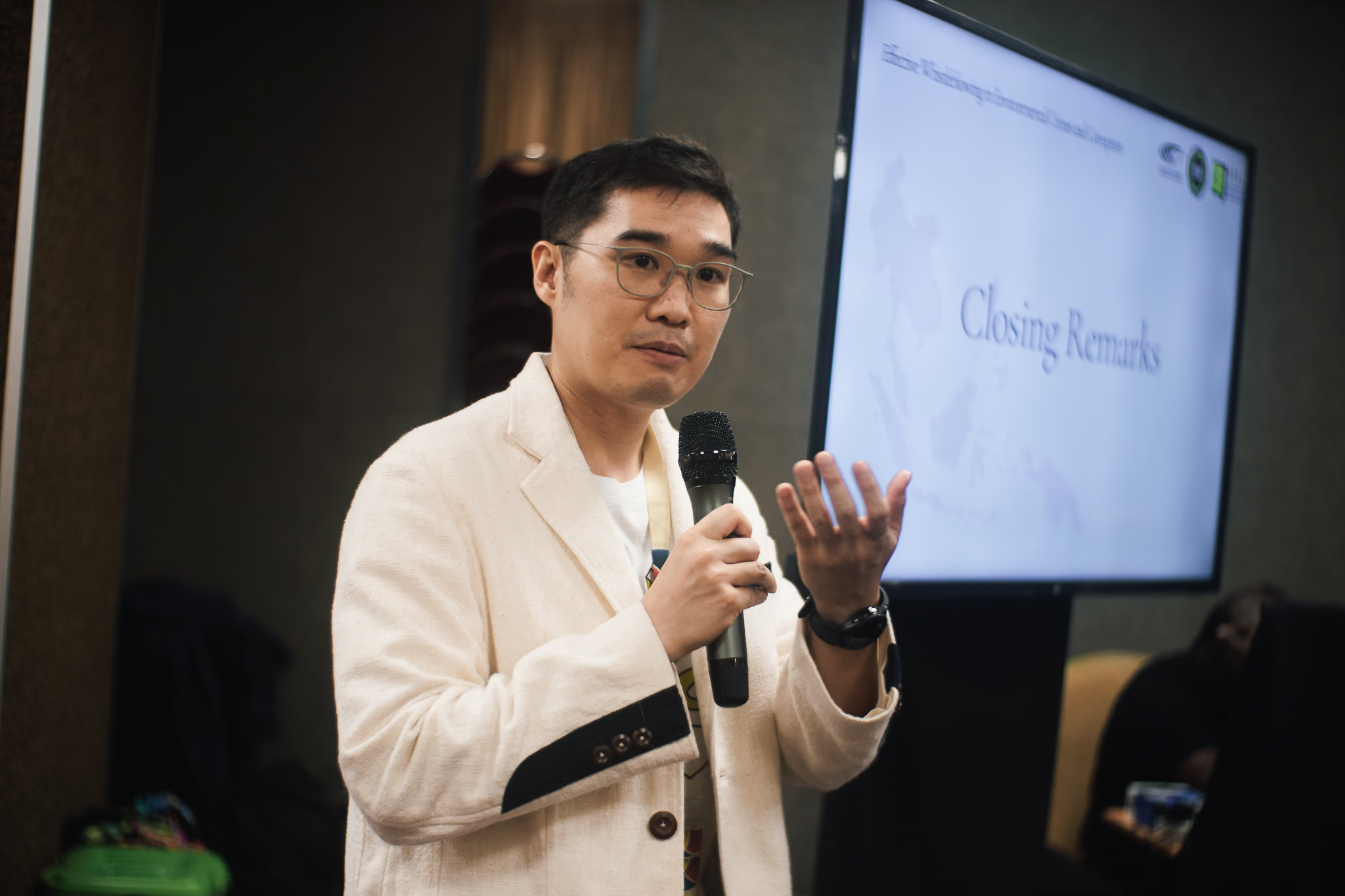
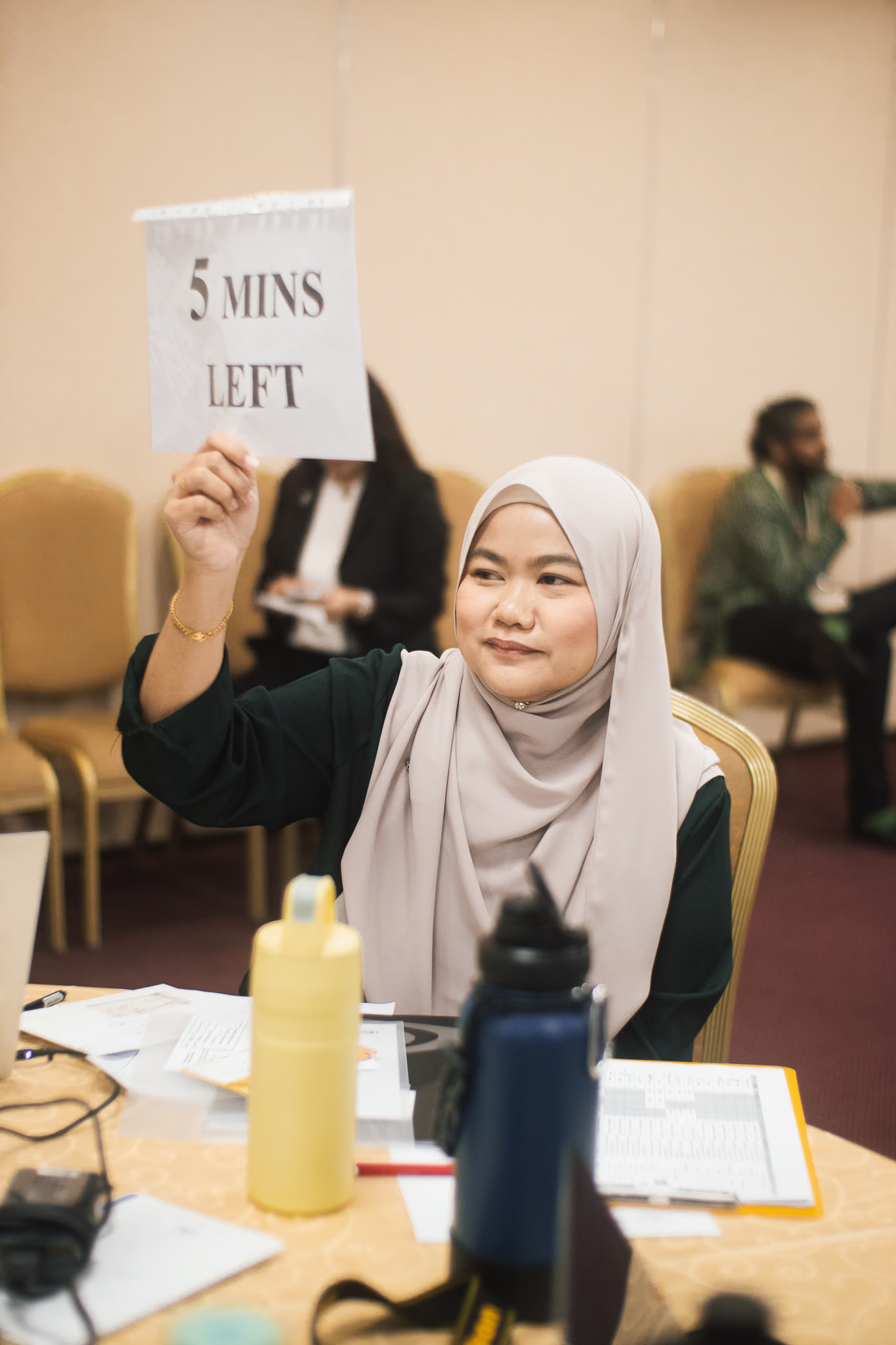
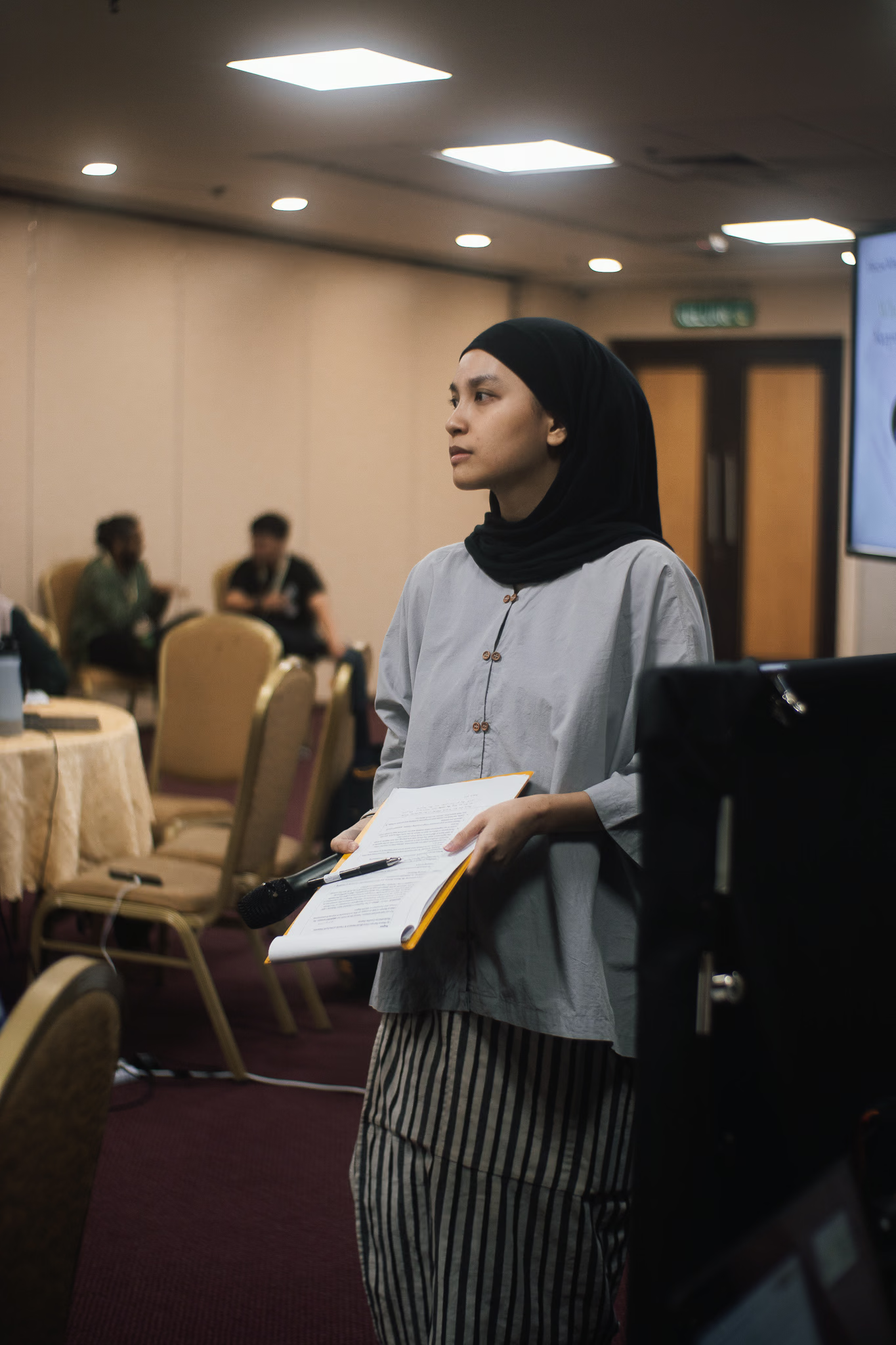
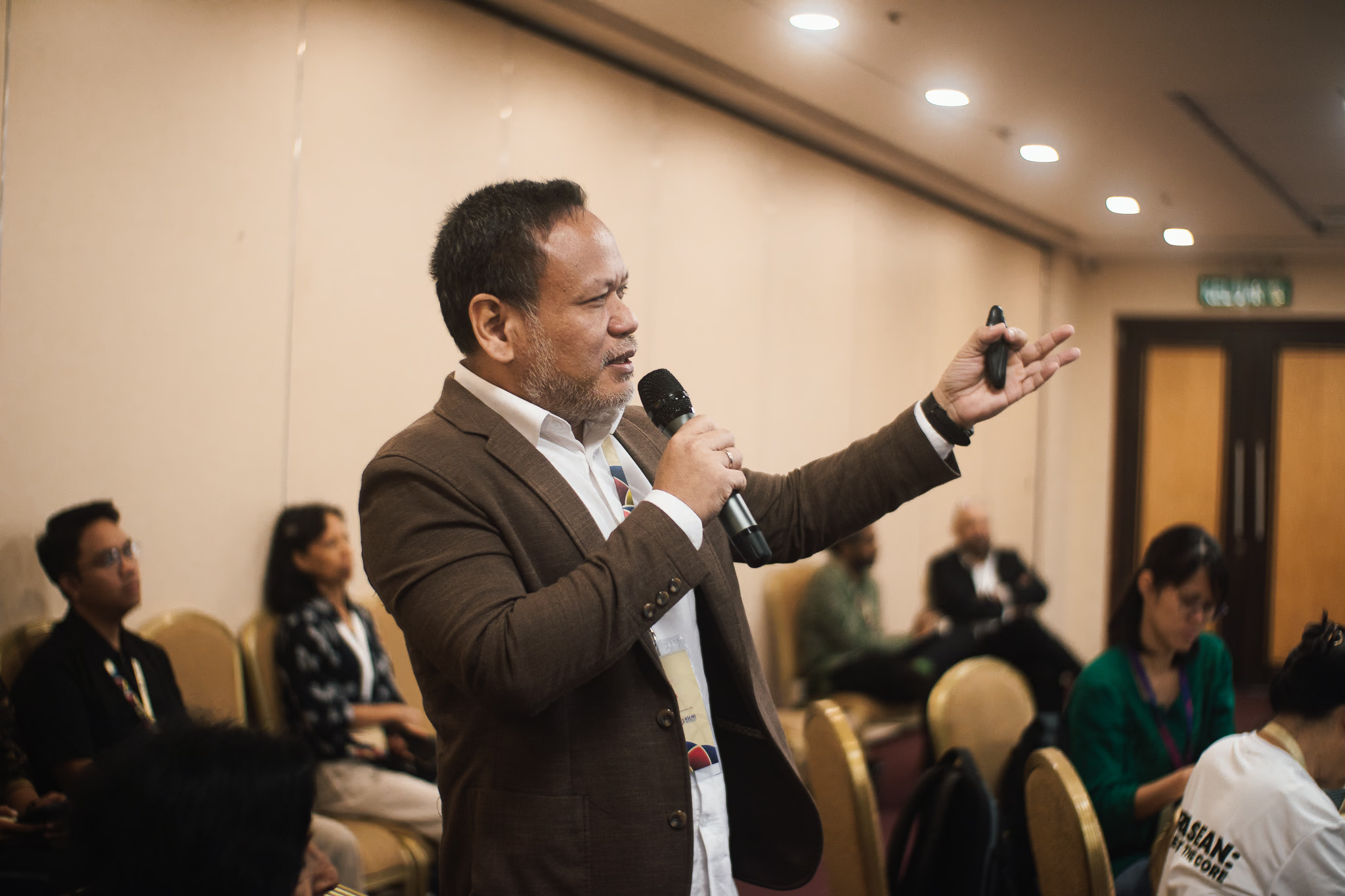
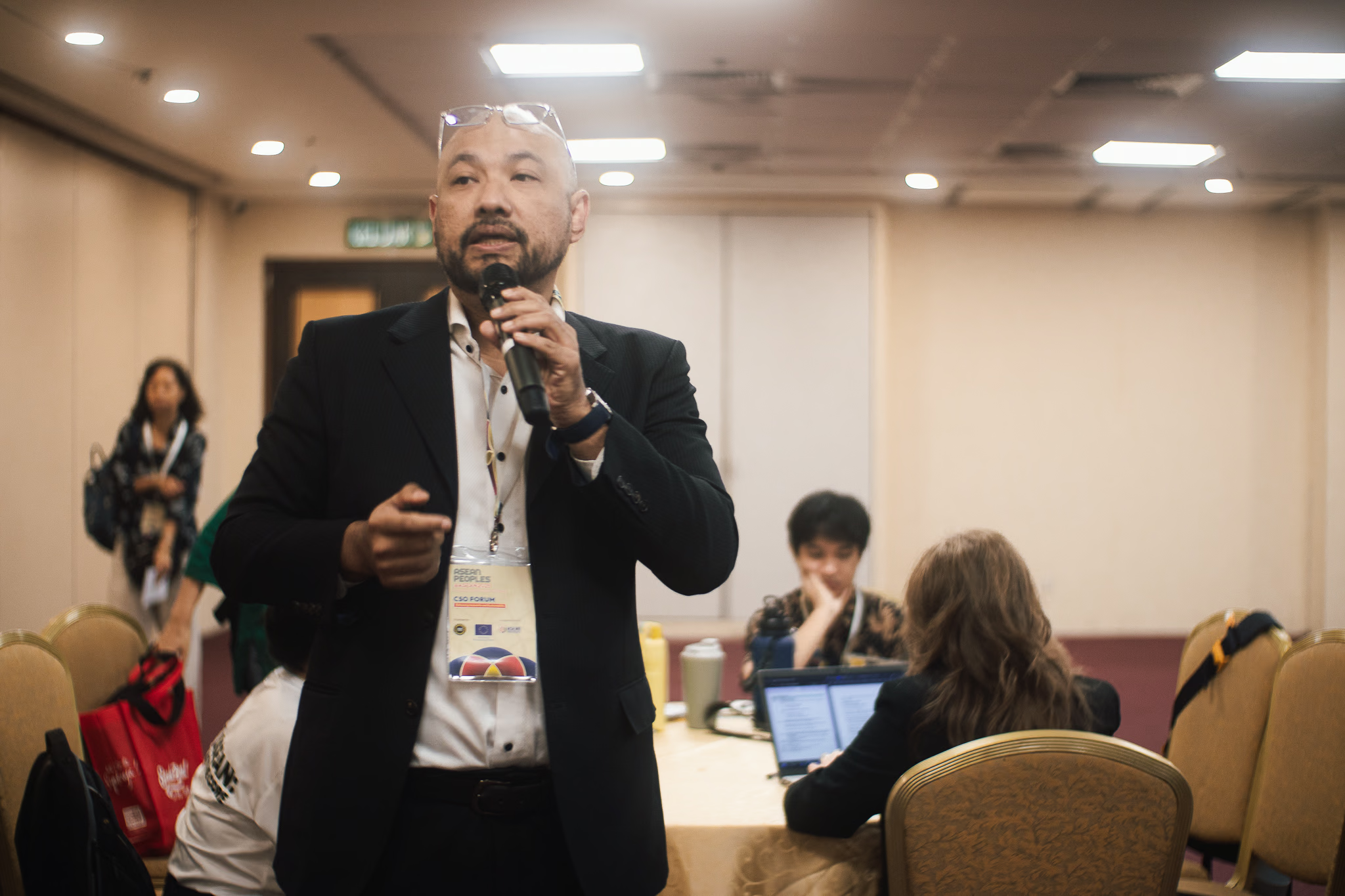
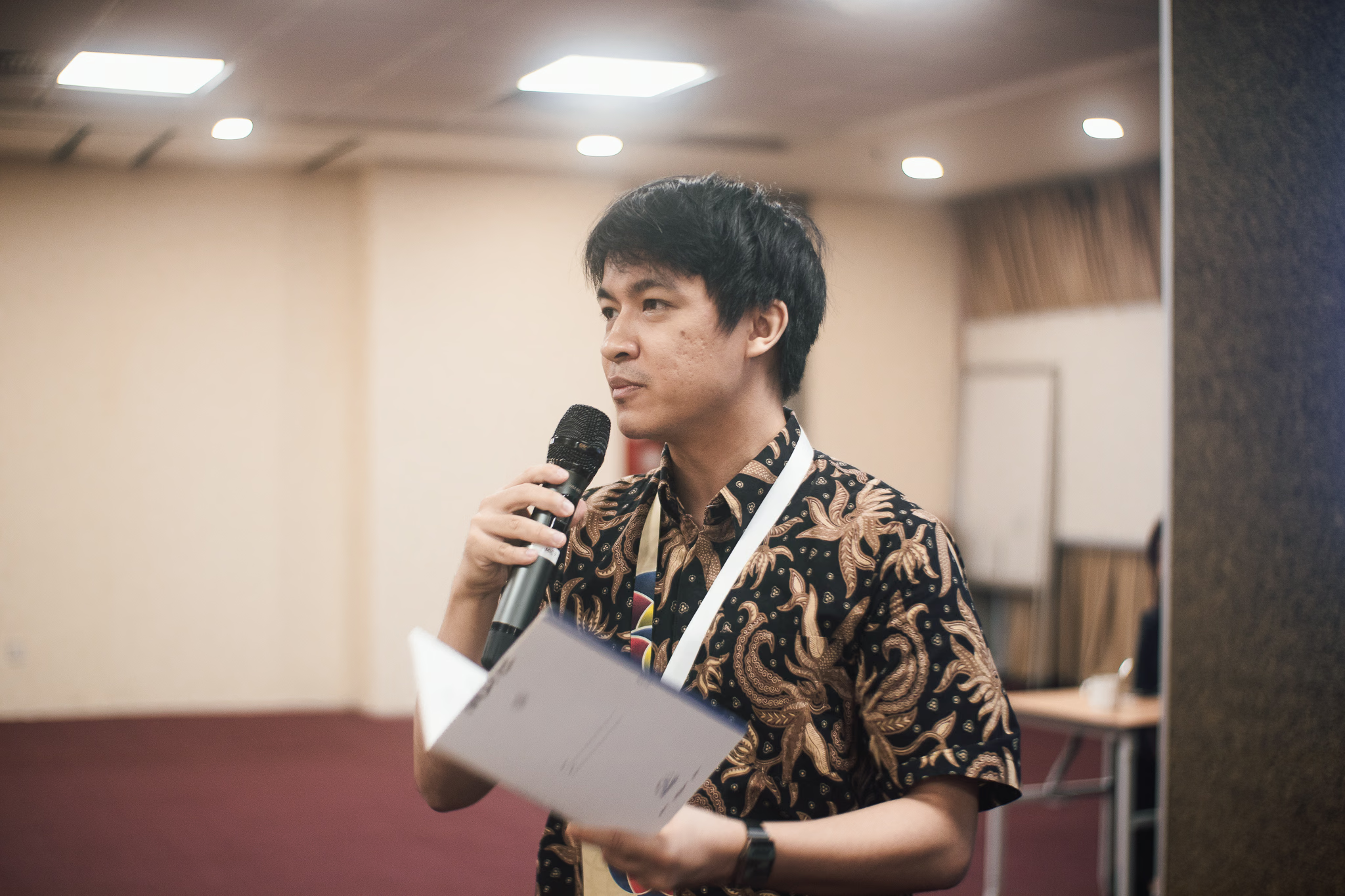
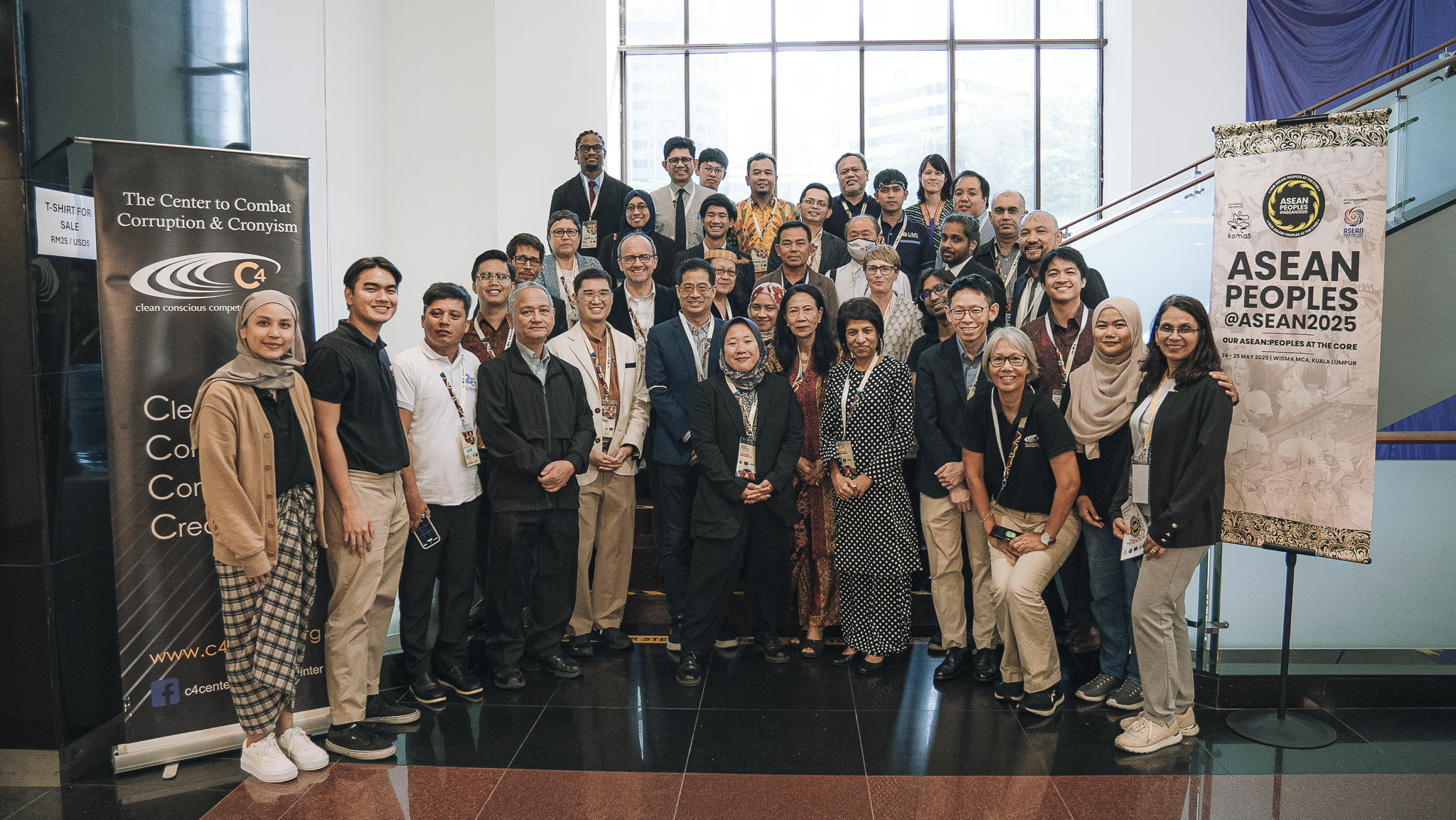
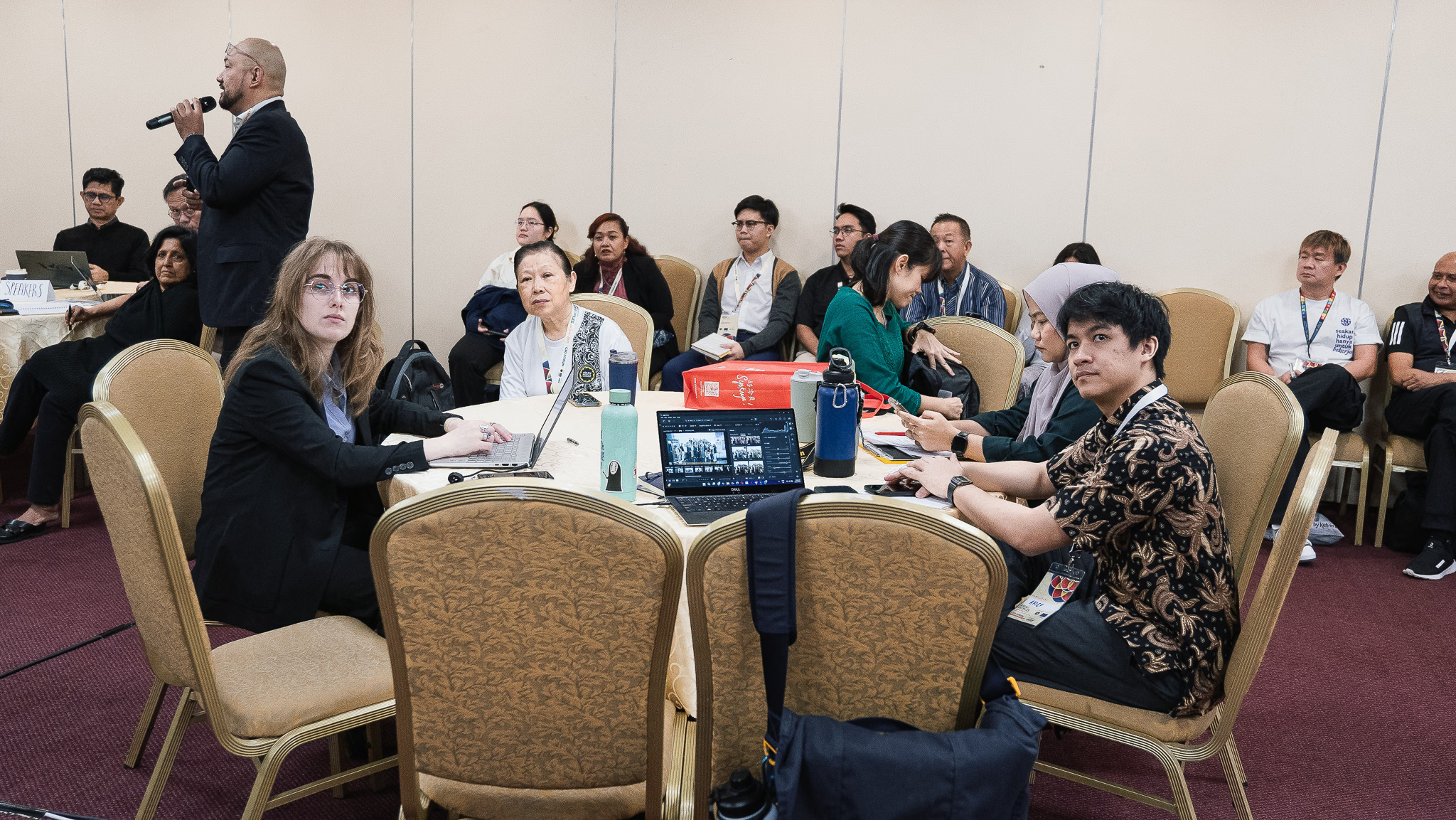
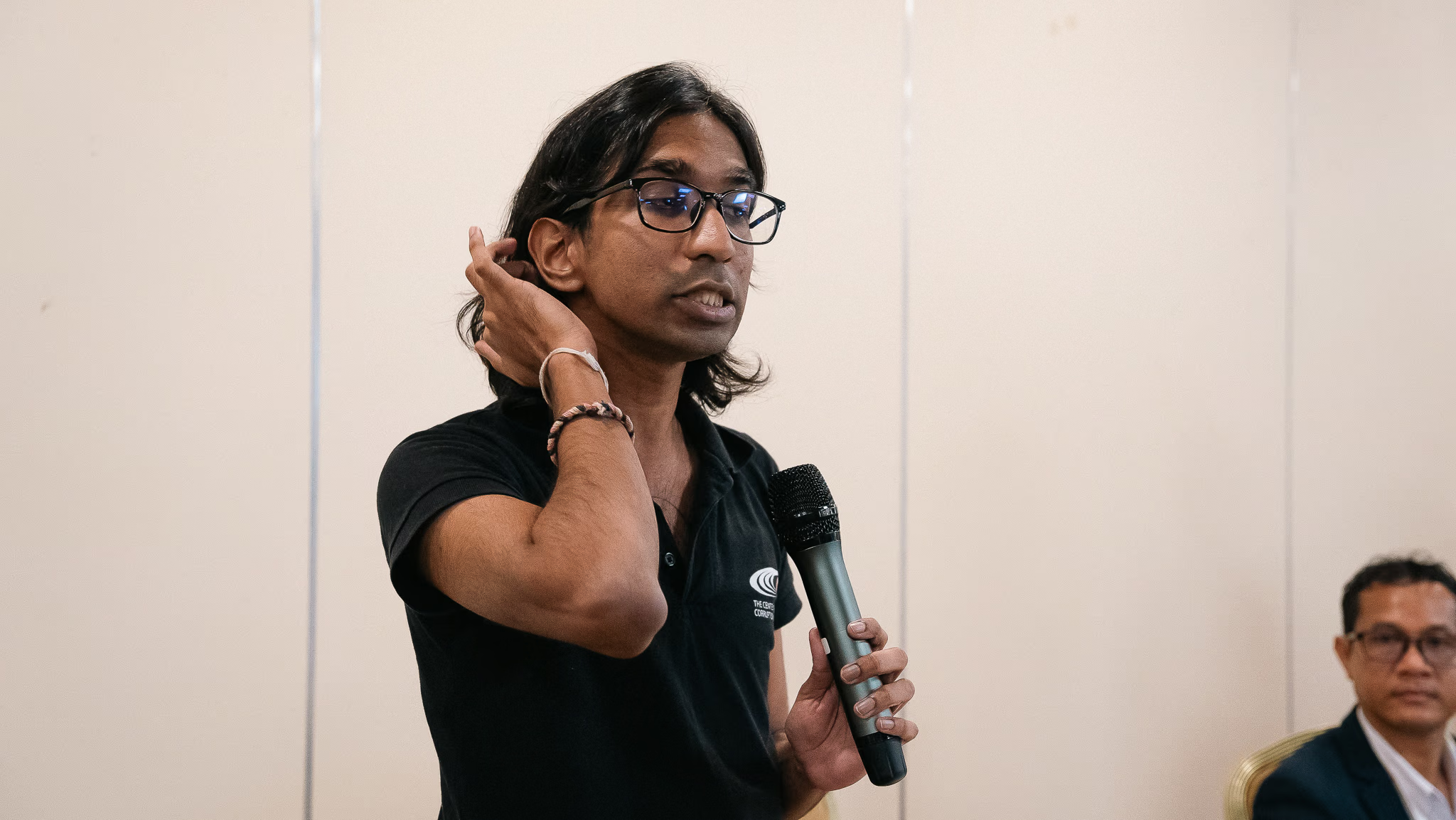
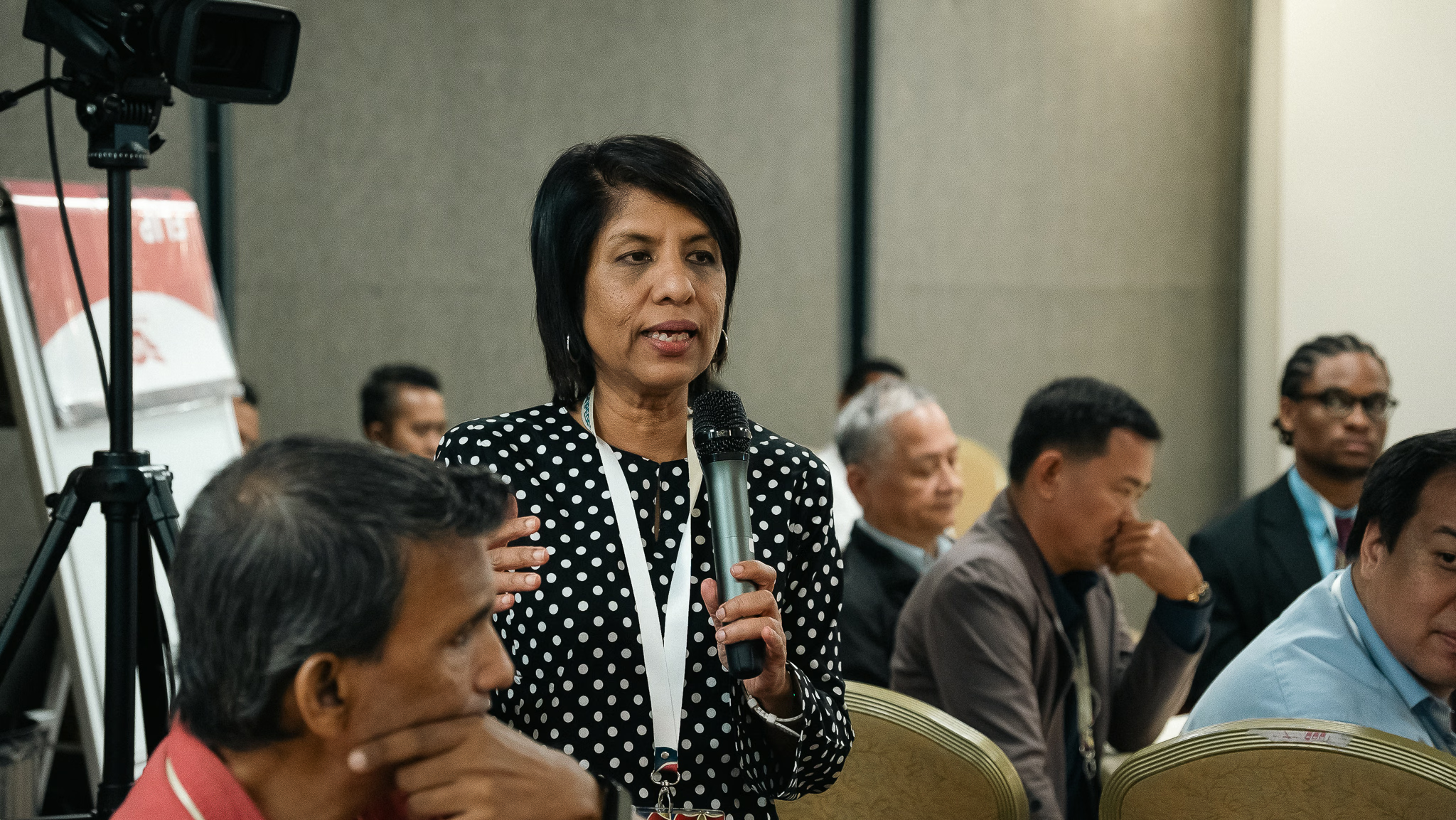
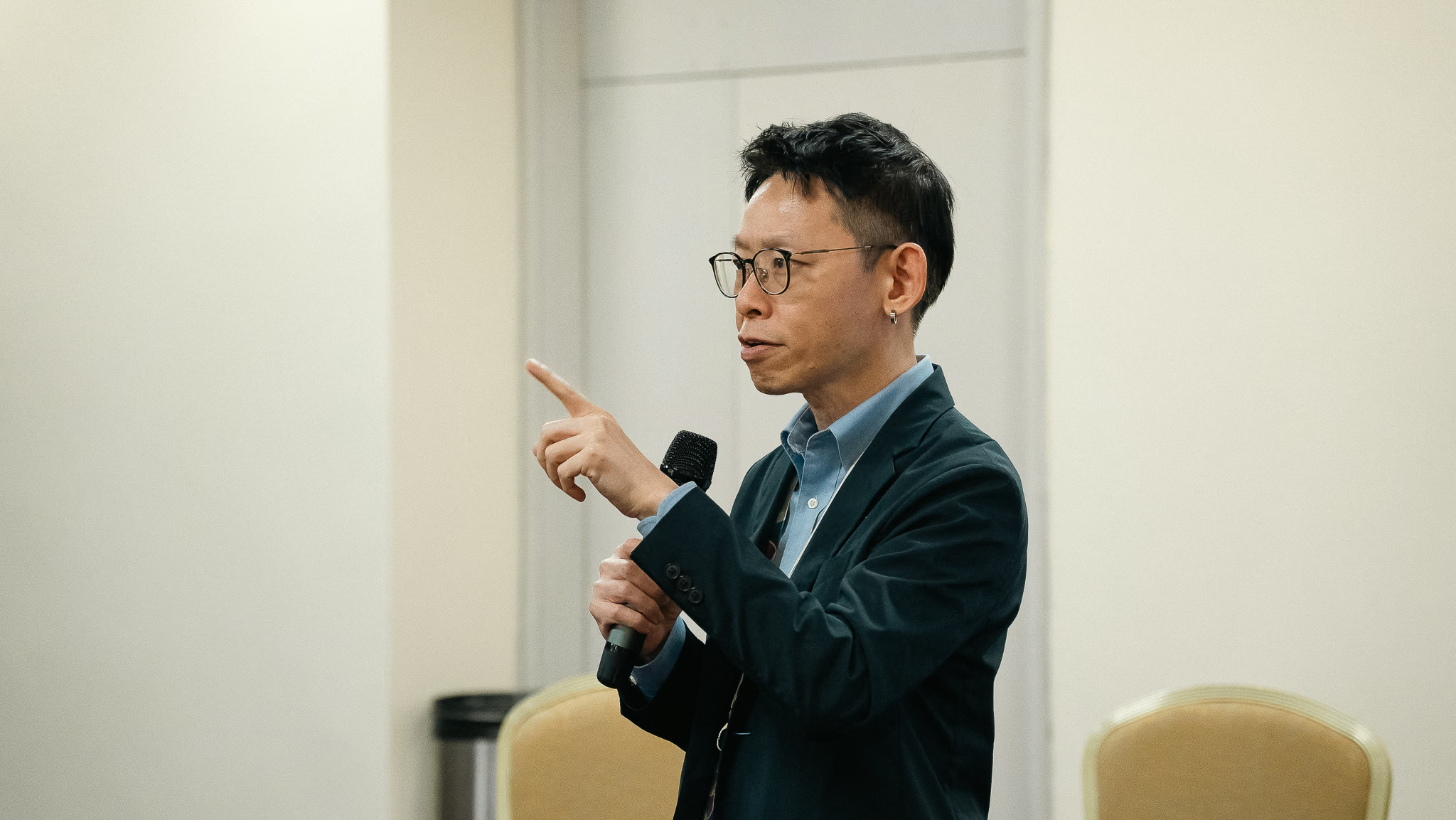
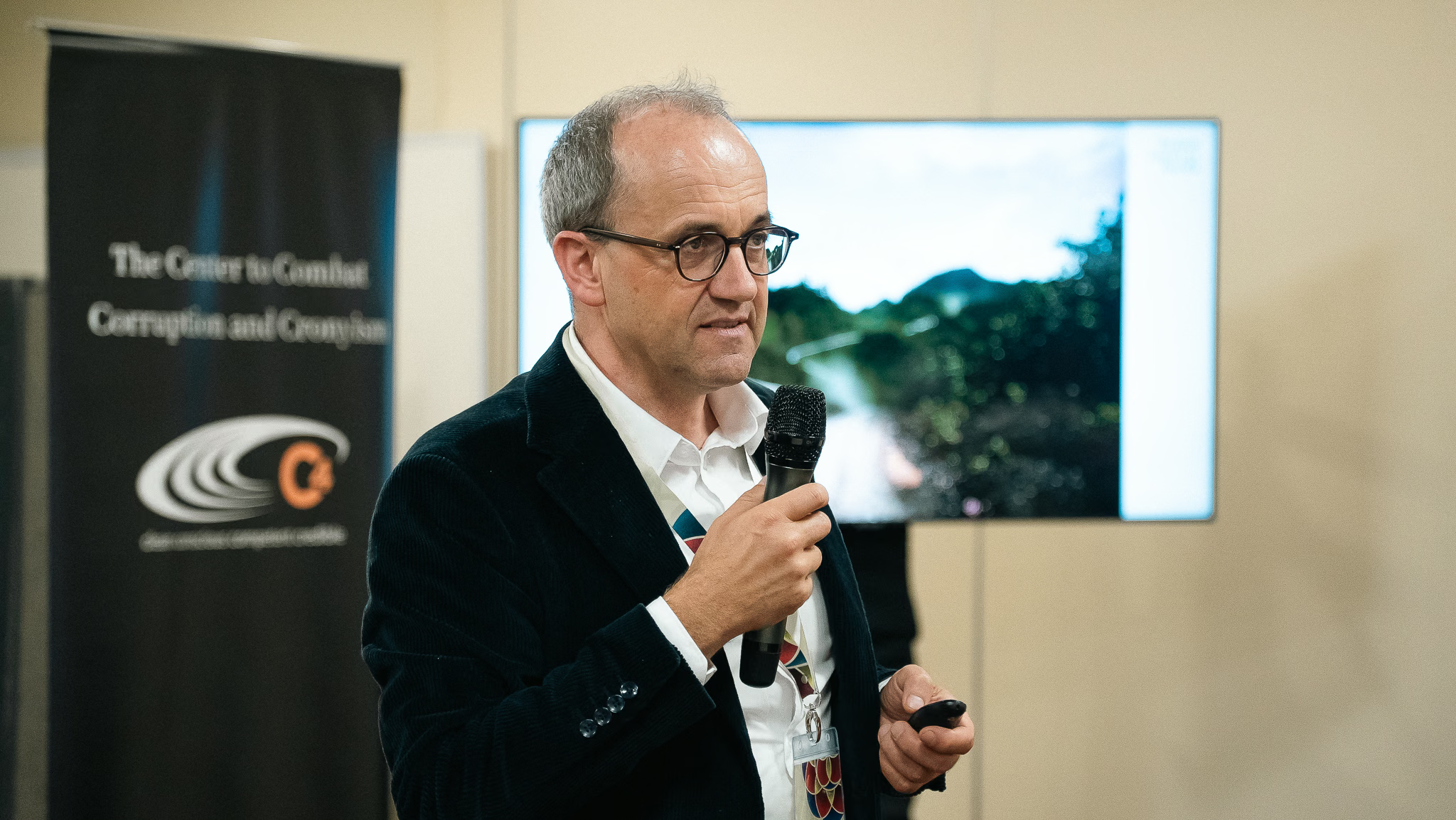
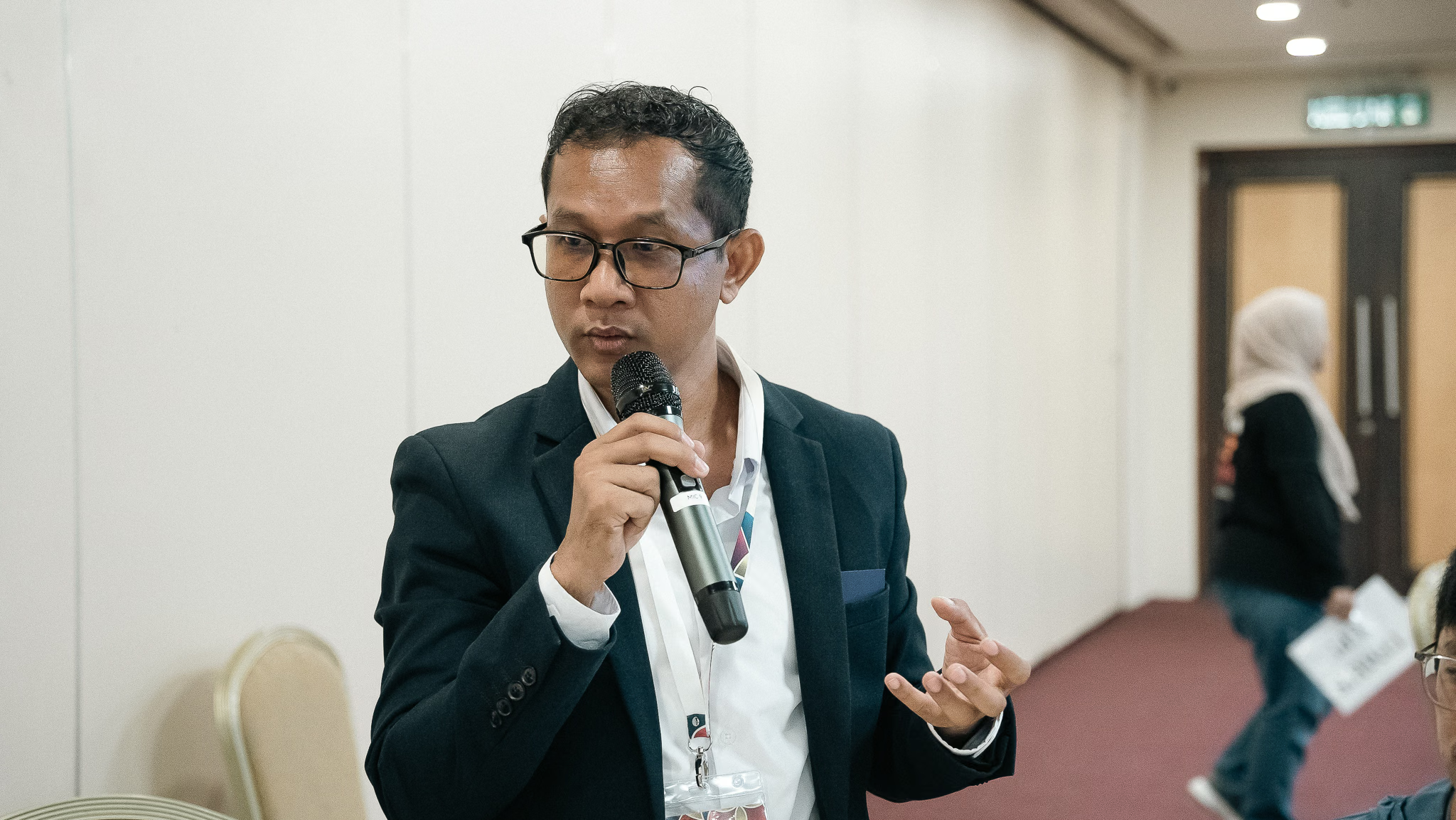
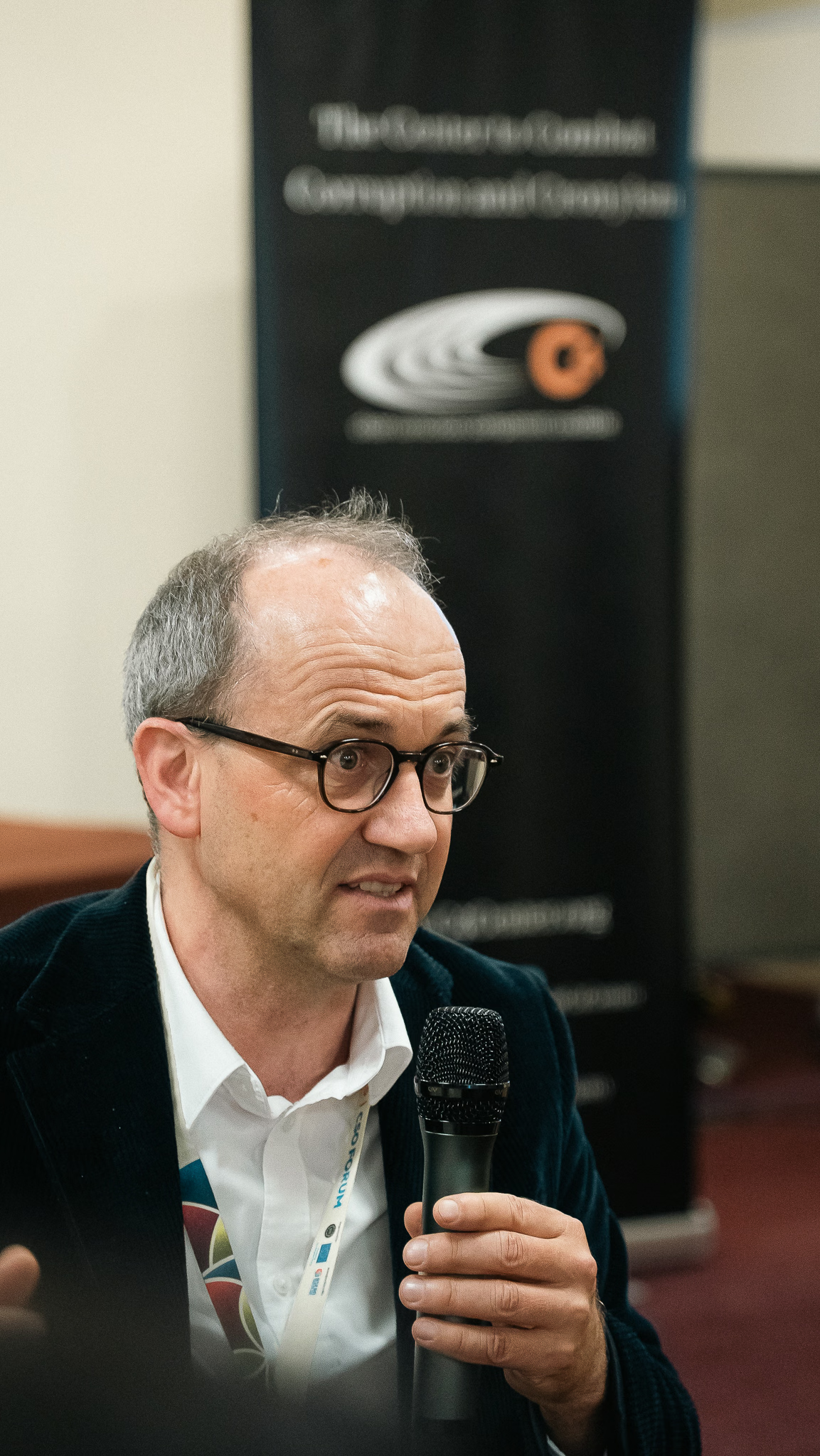
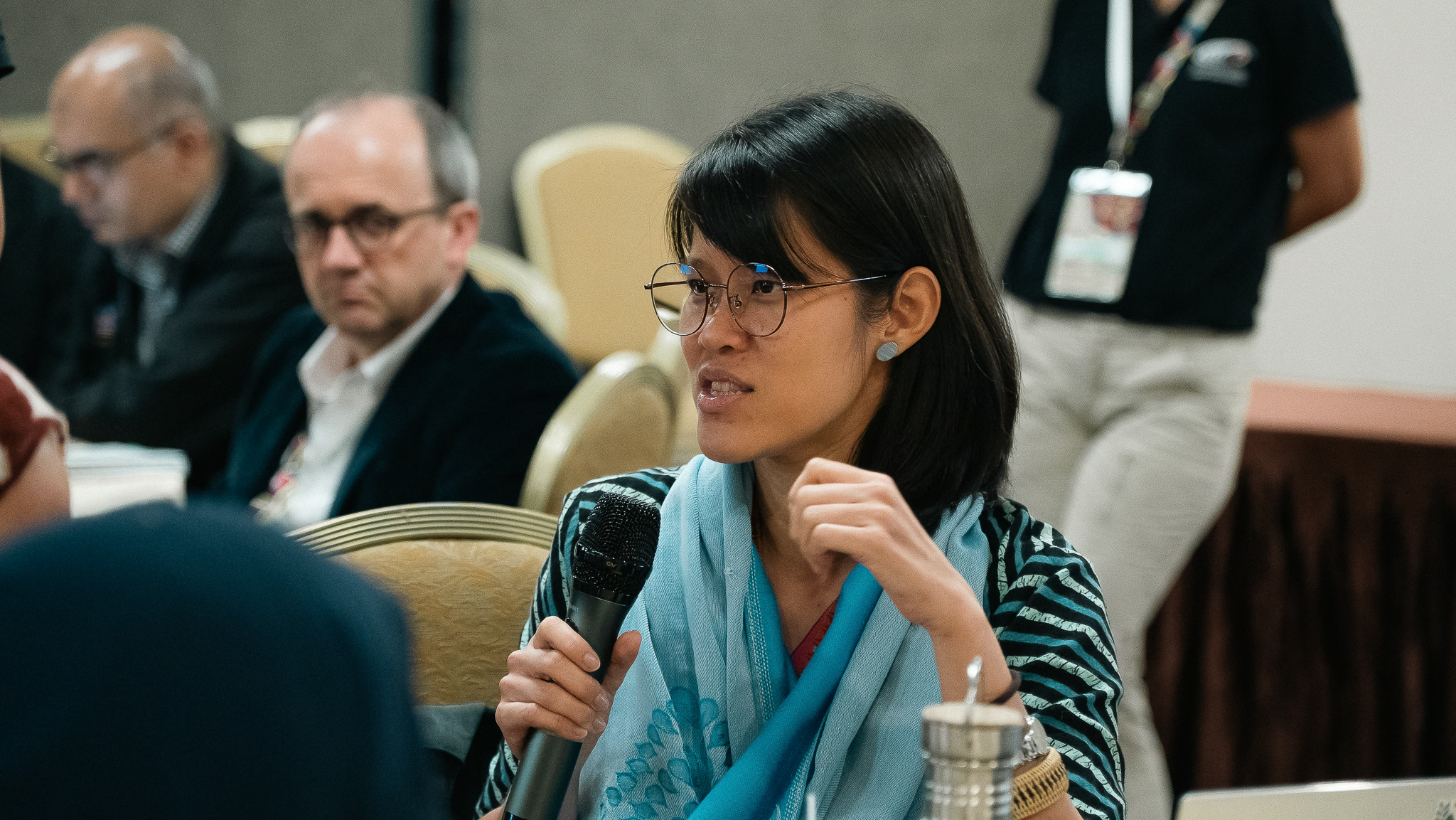
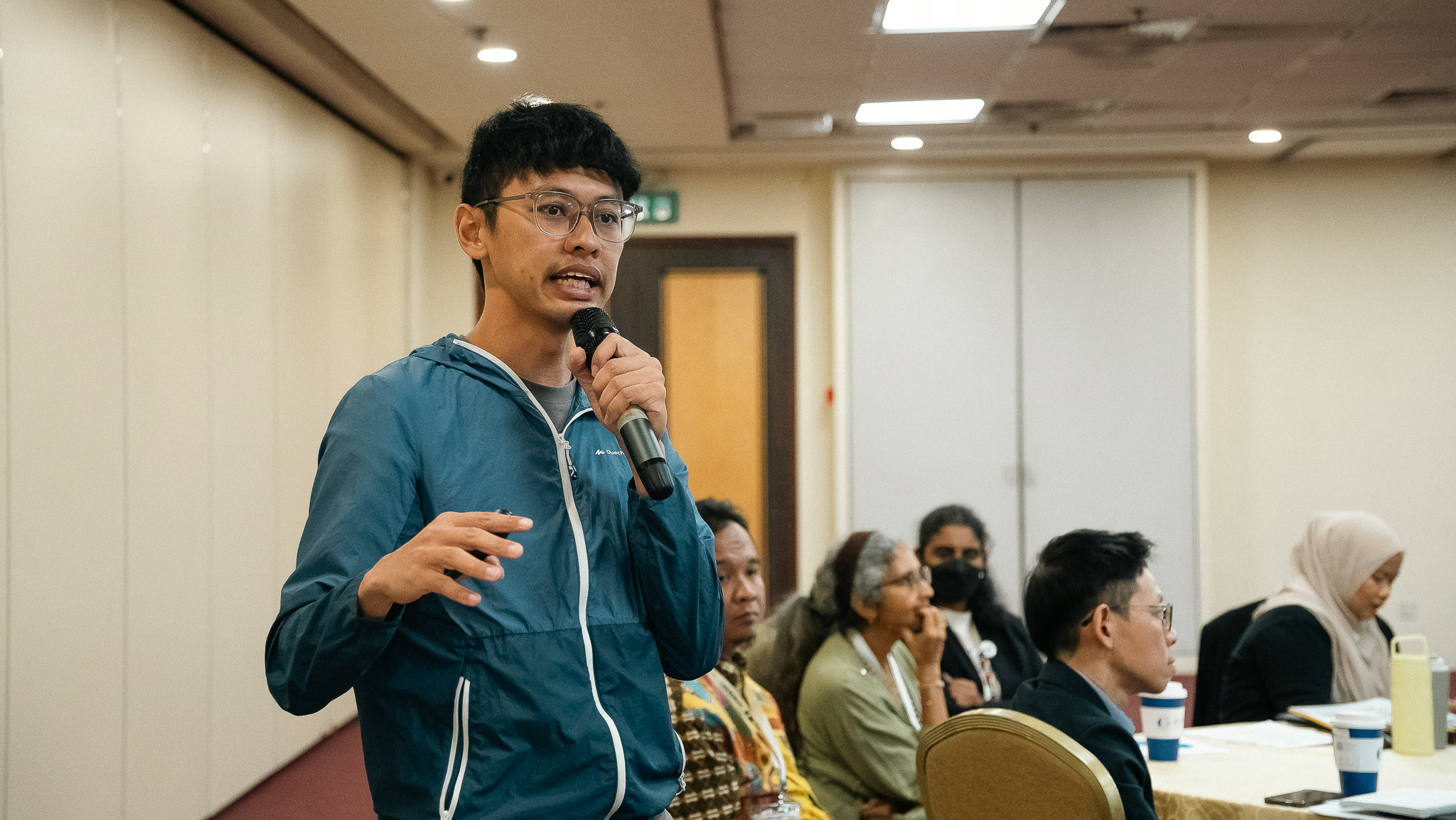
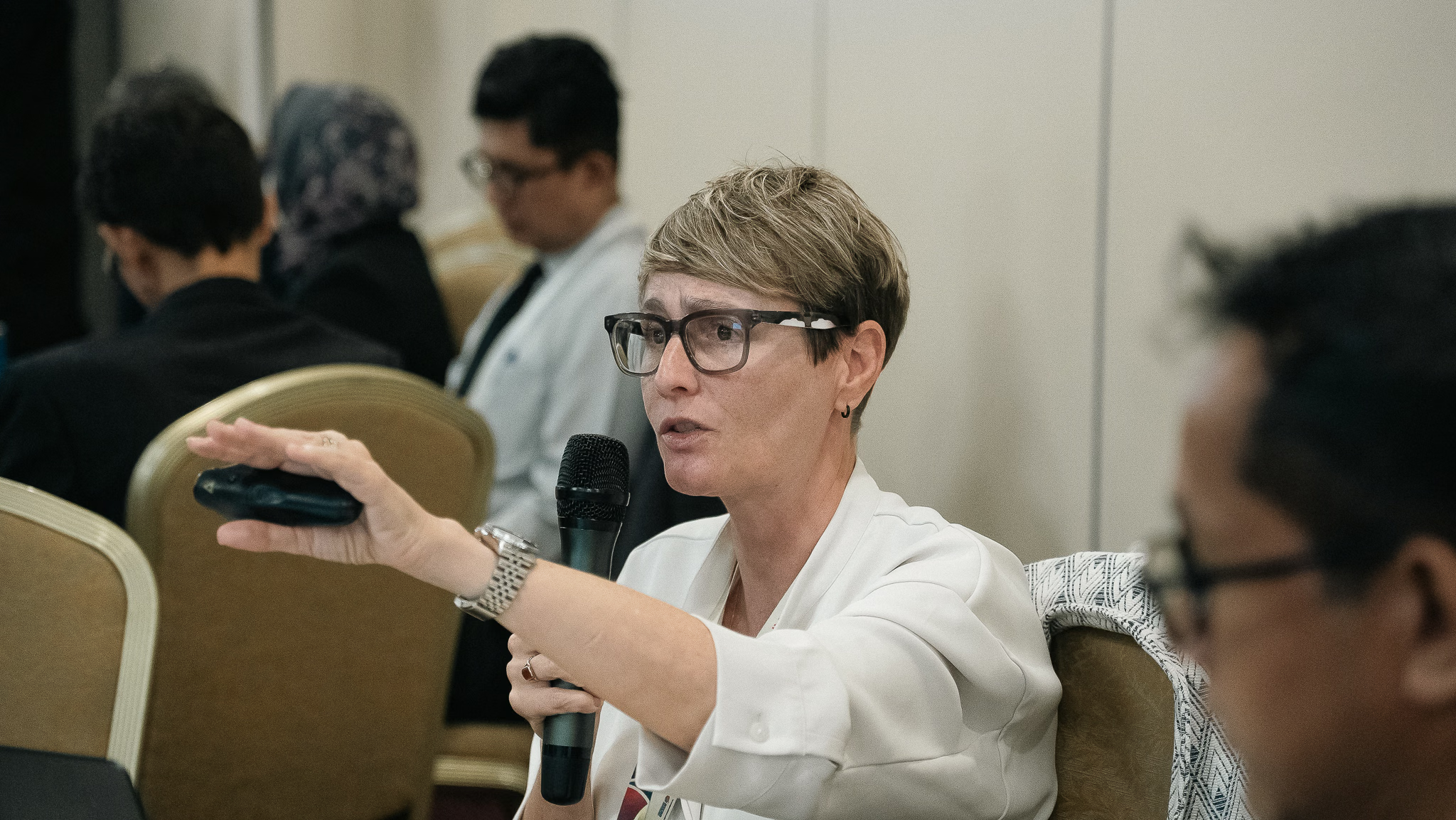
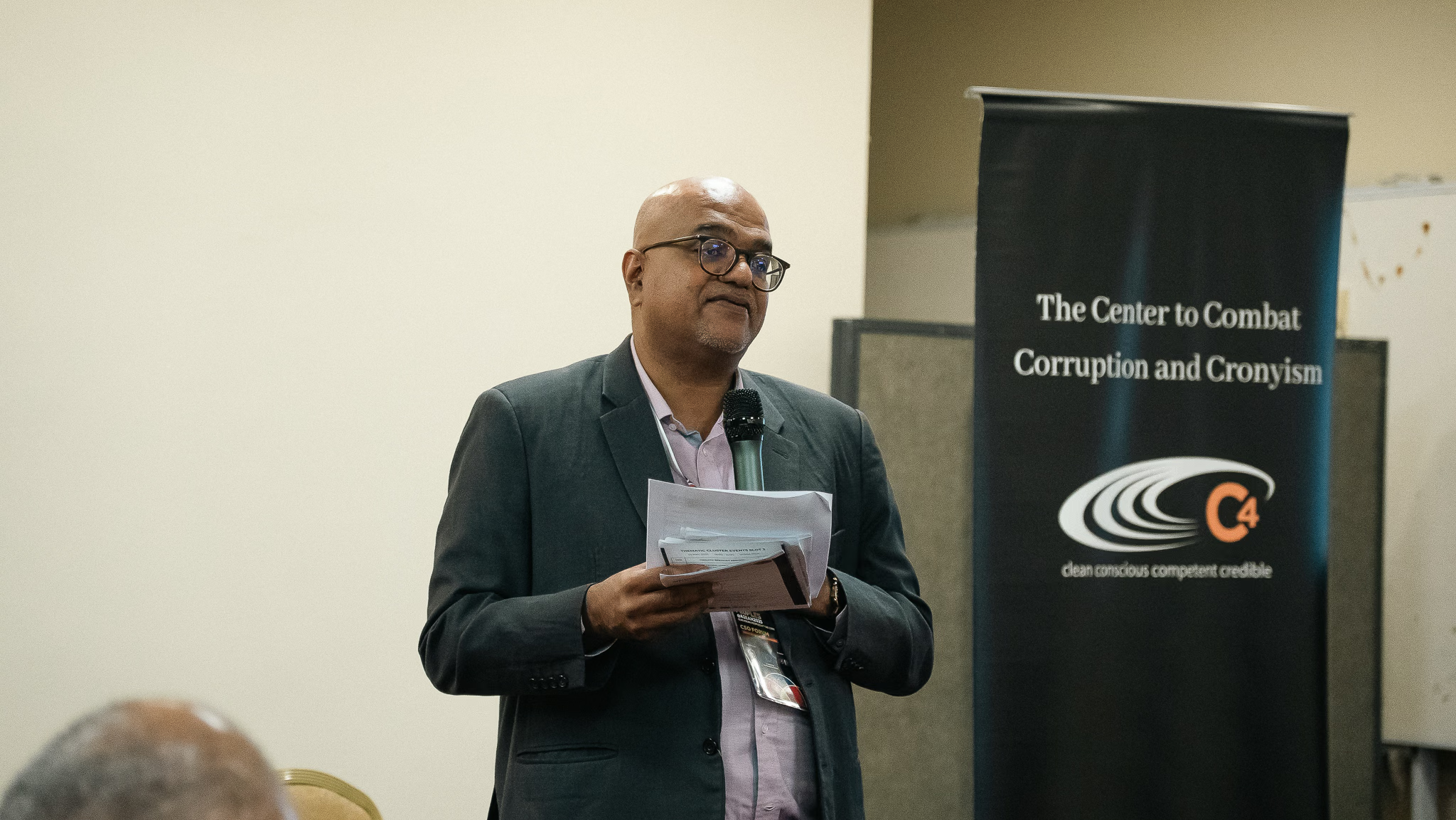
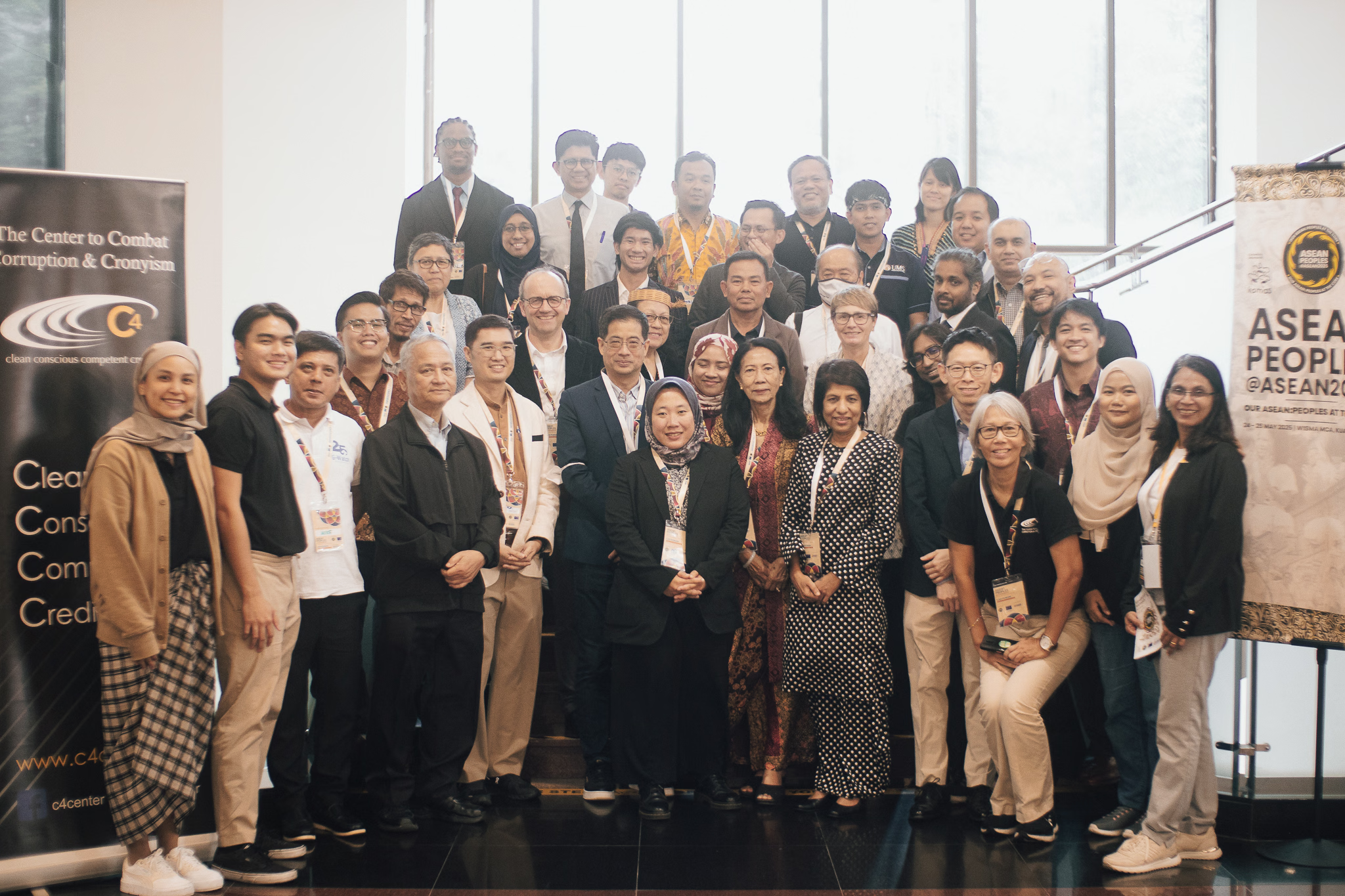
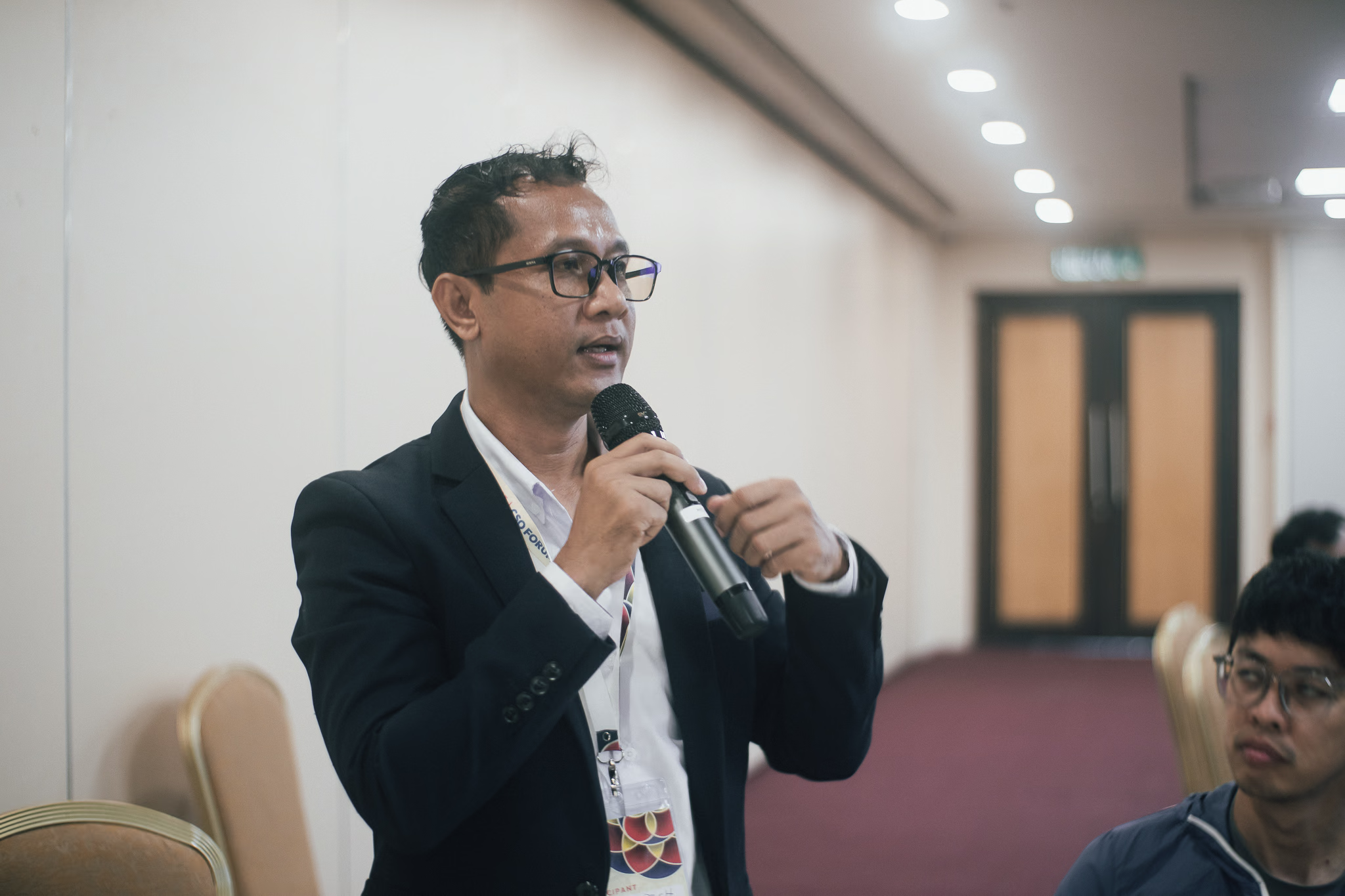
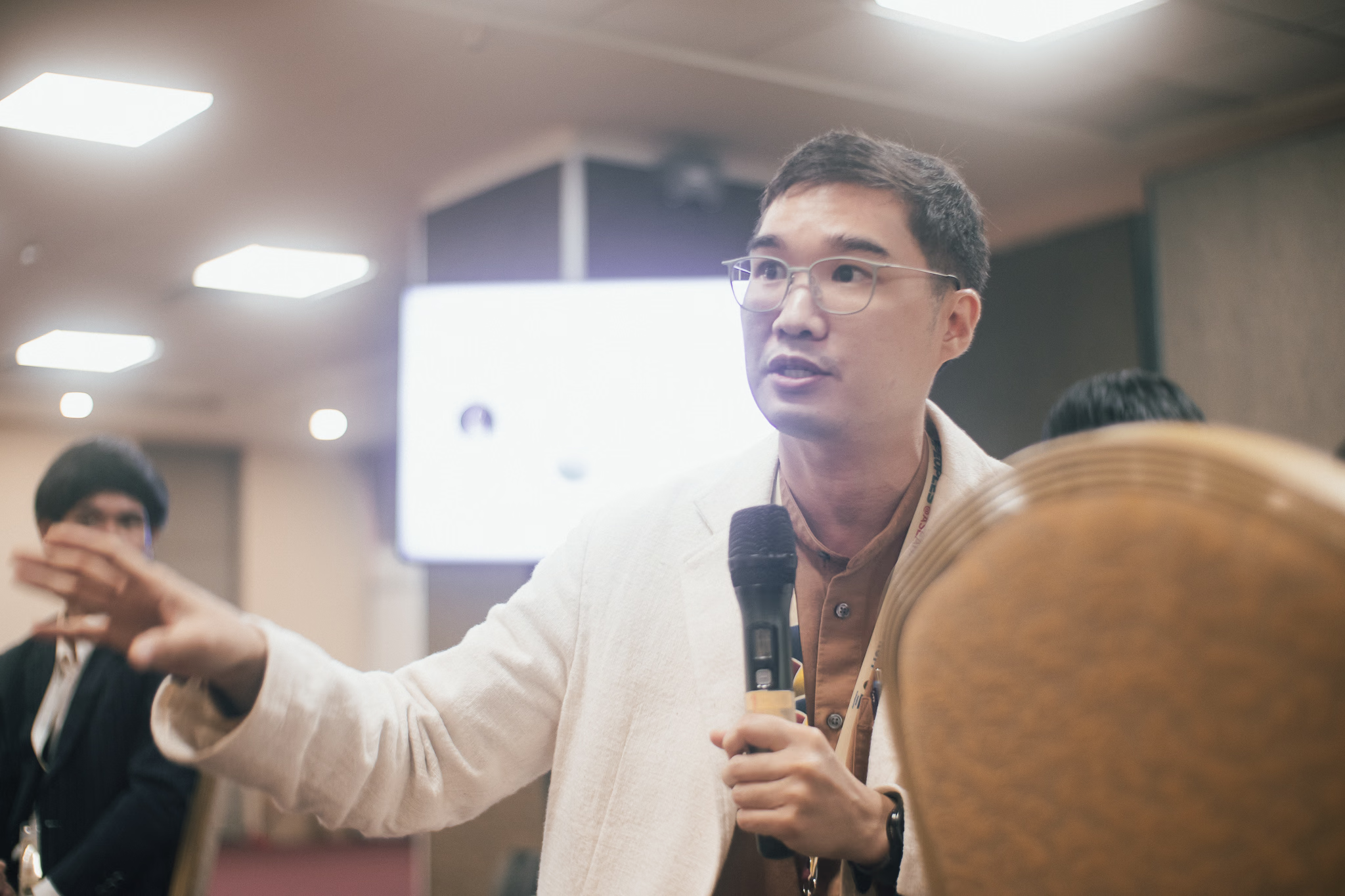
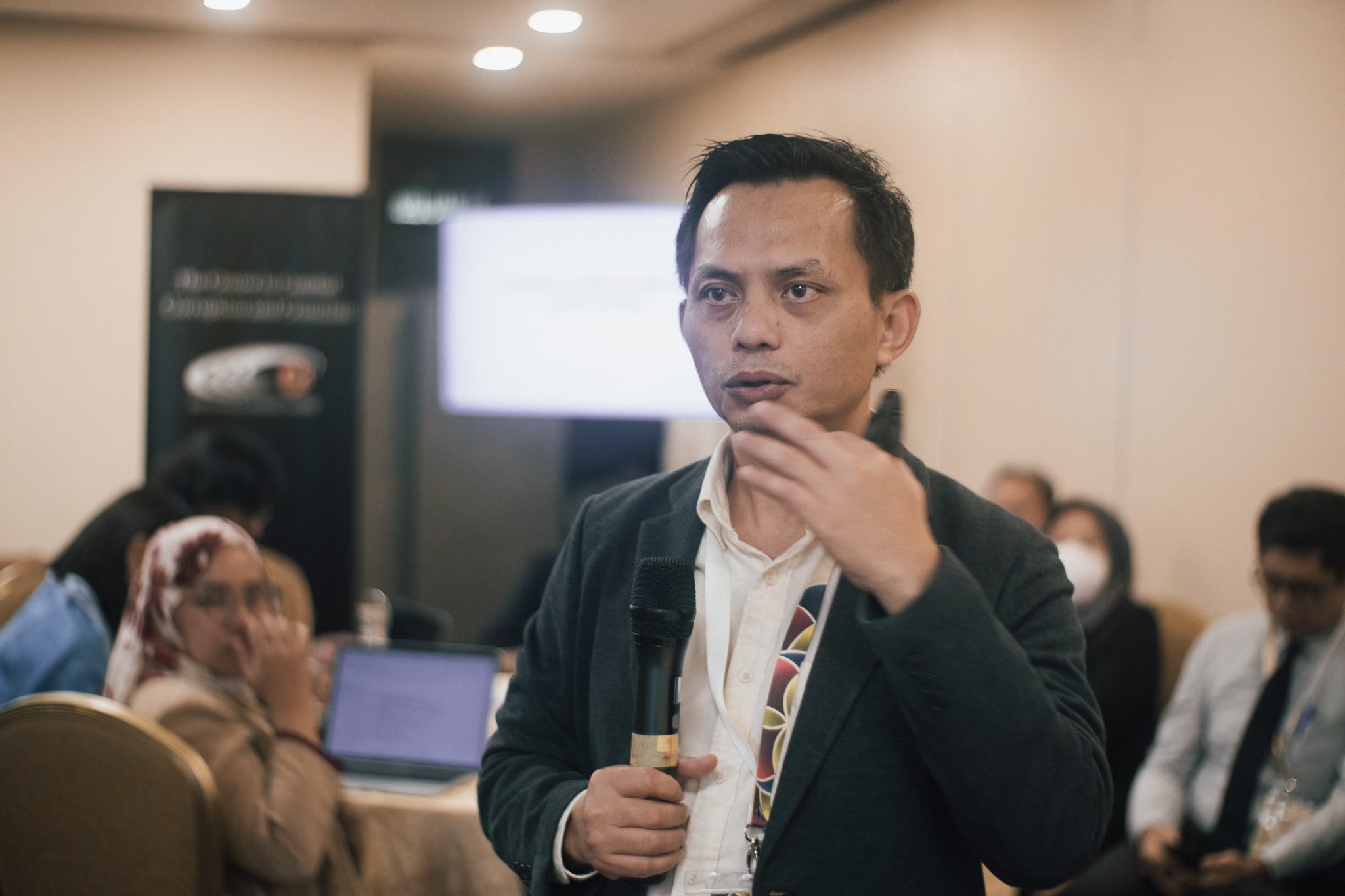
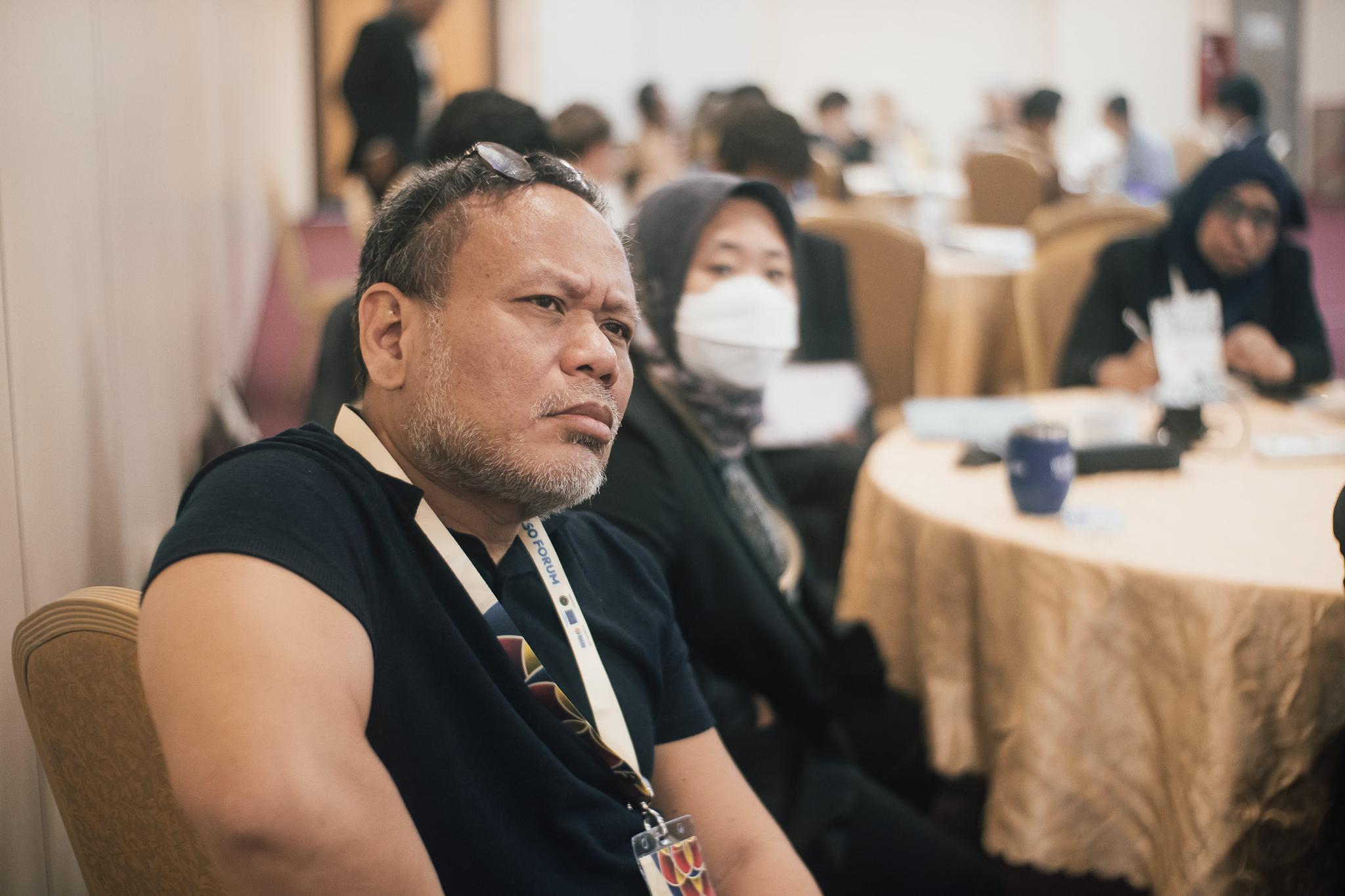
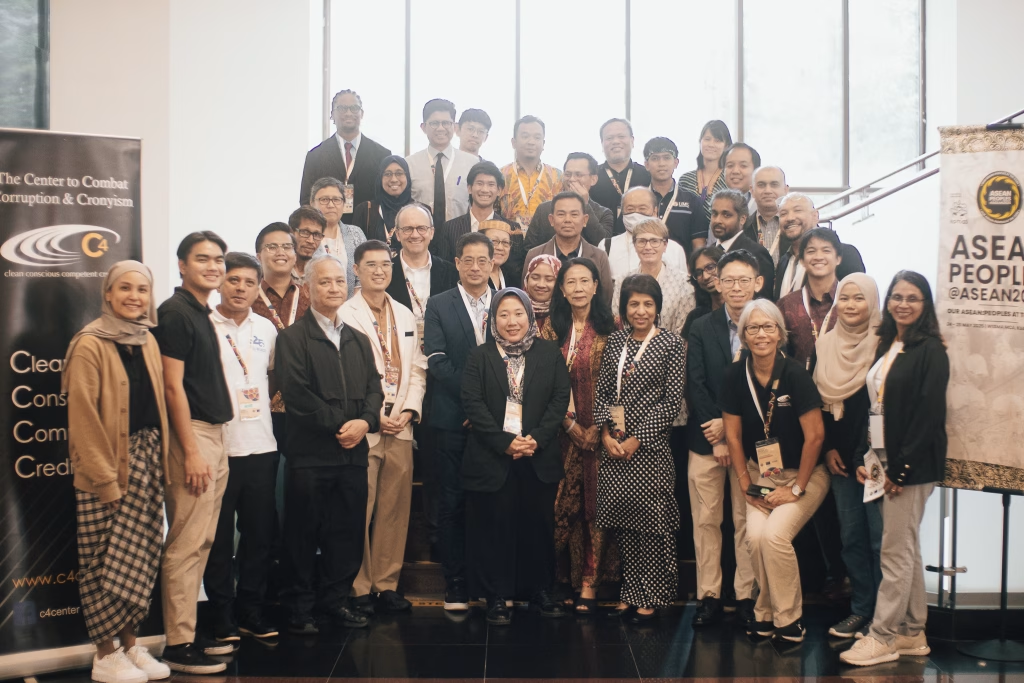
As a member of the Southeast Asia Anti-Corruption Network (SEA-CAN), C4 Center hosted a roundtable discussion titled Effective Whistleblowing in Environmental Crimes and Corruption. This session was held under Thematic Cluster 12 during the ASEAN Peoples’ Forum, which took place from 23 to 24 May at Wisma MCA, Jalan Ampang. The roundtable was organised to explore the complex intersection between environmental crimes and corruption. Its objectives were to gather knowledge on the nature of these crimes and their links to corruption, compile case studies to illustrate the impact of these crimes on the climate and environment, and highlight personal whistleblowing experiences that often involve serious risks and consequences, and to initiate steps towards a framework that could lead to a future whistleblowers summit.
The discussion brought together distinguished panellists and participants from across ASEAN countries. They highlighted shared environmental challenges in the region, particularly those driven by corruption, such as large scale deforestation that supports the mining and logging industries, wildlife trafficking, pollution from industrial sources, and the illegal transport of waste. These issues are increasingly common and represent some of the most pressing crimes affecting Southeast Asia.
Participants emphasised how environmental crimes severely impact the economy and the livelihoods of communities. In this context, the roles of whistleblowers and investigative journalists are critical. They serve as frontline defenders in uncovering wrongdoing, malpractice, fraud, and corrupt practices. Yet, their work often comes at a high personal cost, with many facing threats and violence.
Despite their importance, whistleblowers and journalists often lack sufficient legal protection. The roundtable acknowledged that these key actors frequently encounter reprisals from elites and state actors seeking to silence them. As a result, the discussion focused on the need to enhance legal awareness and examine existing whistleblower protection frameworks. Participants explored the legal landscape across the region and identified gaps where civil society organisations and communities could advocate for reform.
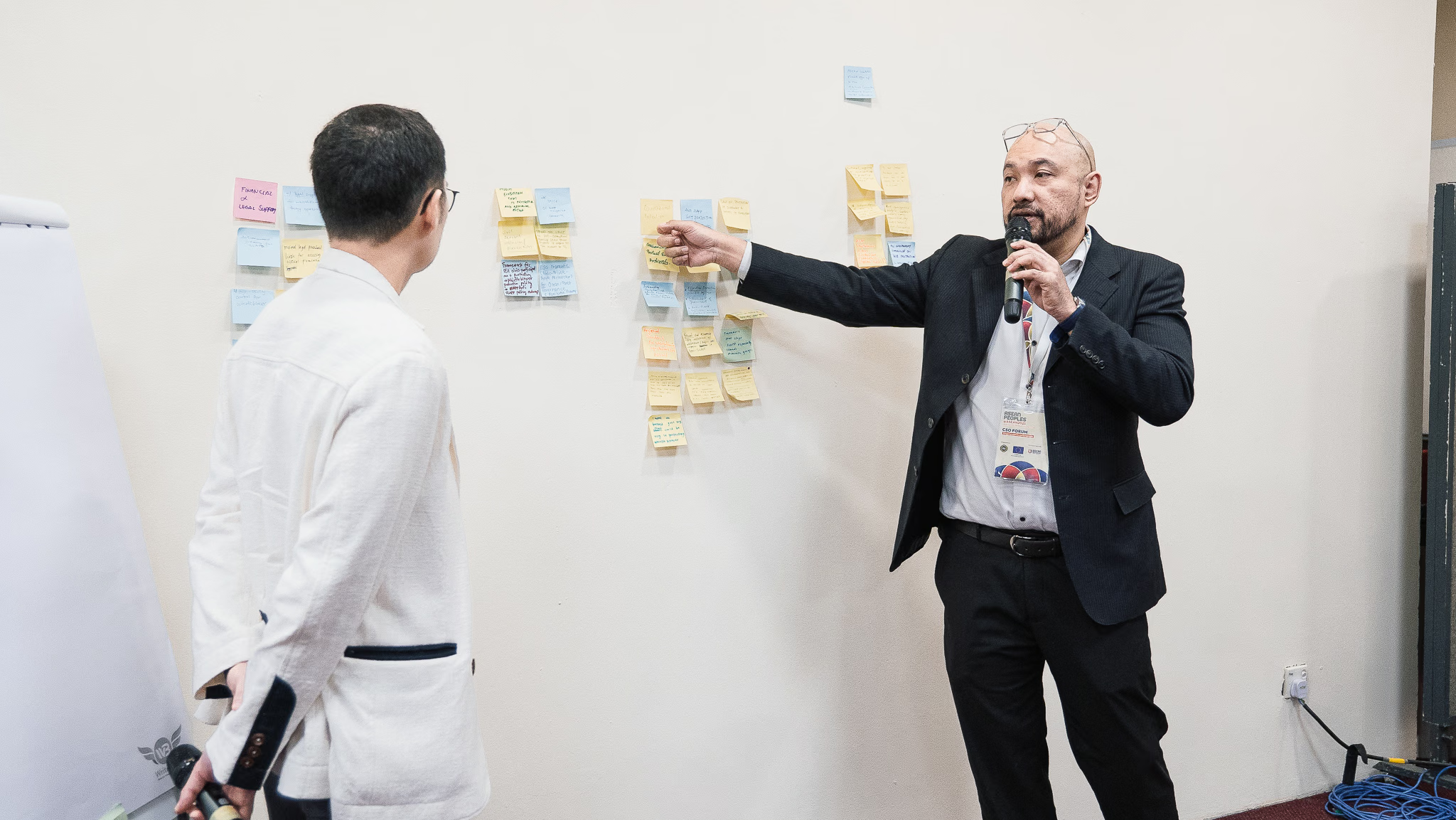
The roundtable also conducted a group discussion with key objectives to map ASEAN conventions and institutional bodies relevant to whistleblowing in environmental crimes. Participants shared insights and proposals for a potential framework centred around four main areas: supporting functions, advocacy strategies, legal frameworks, and the establishment of independent institutions to safeguard whistleblowers.
In conclusion, the discussion emphasised the importance of thinking globally while acting locally. Environmental activists must work across various interconnected areas of crime and build solidarity through indigenous, international, and regional networks. While international mechanisms for protection exist, local legislation remains weak and must be strengthened to ensure the safety of environmental defenders, organisations, and affected communities. Moving forward, future ASEAN summits should prioritise discussions on the operations of businesses, public-private partnerships, and the development of regional legislation to combat environmental corruption more effectively.